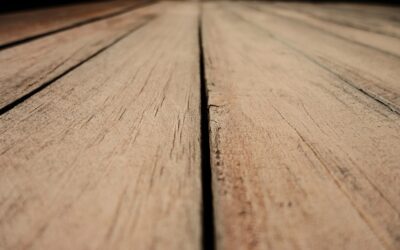
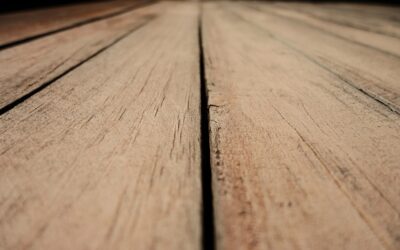
Real oak decking is gorgeous for about one season, then it grays, splinters, and demands relentless sanding and sealing. Oak composite decking gives you that warm, honeyed oak look with the deep grain patterns homeowners love, minus the annual maintenance treadmill. Made from recycled wood fibers and plastic wrapped in a protective shell, it captures the color and texture of natural oak while shrugging off rot, fading, and stains. This guide covers the shades available, the leading brands, real costs, and how to install and maintain an oak-look composite deck that stays beautiful for decades.
Part of our Decks & Outdoor guide — explore the full guide →
Why Choose Oak-Look Composite
Oak is one of the most requested wood tones because it reads as warm, timeless, and inviting, flattering everything from traditional colonials to modern farmhouses. The problem is that natural oak, like all wood decking, weathers hard outdoors. Composite solves that by baking the oak color and grain right into a durable board.
You get the aesthetic payoff without the labor. No sanding out splinters every spring, no annual coat of stain and sealer, no cracked boards to replace after a harsh winter. A capped composite oak board resists moisture, mold, and UV fading, so the warm tone you install is close to the tone you will see in fifteen years. Over the life of the deck, the maintenance you skip more than offsets the higher purchase price.
Oak Shades and Grain Patterns
Oak is not a single color, and quality composite lines capture its range. Picking the right tone sets the mood of the whole space.
Light and Golden Oak
Honey and golden oak tones bring a bright, welcoming feel that suits sunny yards and lighter home exteriors. These lighter boards also stay cooler underfoot than dark decking on hot afternoons.
Medium and Weathered Oak
Mid-tone oaks with subtle brown and amber variegation are the most versatile, reading as classic wood without going too light or too dark. Weathered oak looks lean toward a driftwood-meets-oak character popular in coastal and transitional designs.
Deep and Antique Oak
Richer, darker oak tones with pronounced grain give a more dramatic, high-end look. Darker boards hide dirt well but run warmer in direct sun, so factor that into barefoot areas.
Leading Brands and Product Lines
The realism of the grain and the quality of the protective cap separate premium boards from budget ones. Several brands offer convincing oak tones.
- Trex: the Transcend and Enhance lines include warm oak-adjacent tones with strong fade and stain warranties.
- TimberTech (AZEK): premium capped polymer with highly realistic multi-tonal oak grain.
- Fiberon: value-oriented capped composite with credible oak and wood tones.
- Millboard and enhanced-grain lines: hyper-realistic molded oak textures for those chasing the most authentic look.
Always confirm the board is capped, meaning wrapped in a protective polymer shell. Uncapped older composite fades and stains, which gave the whole category a bad name before capping became standard.
Cost Per Square Foot
Oak composite decking costs more upfront than pressure-treated pine but wins over time. Budget realistically across these tiers.
- Boards only: $4 to $13 per square foot depending on brand and grain realism.
- Hidden fasteners: add about $0.50 to $1 per square foot for a screw-free surface.
- Installed with substructure: $30 to $60 per square foot for a professionally built deck.
A 320-square-foot deck in oak-look composite typically runs $9,600 to $19,000 installed. Real oak or exotic hardwood decking can cost as much or more once you add years of sealing and board replacement, so composite often wins the total-cost race despite the higher sticker.
Installation Best Practices
Composite installs differently than wood, and following the manufacturer’s rules prevents buckling and warranty denials. The fundamentals are straightforward.
- Space joists at 16 inches on center, or 12 inches for diagonal board layouts, since composite sags more than wood on wide spans.
- Leave the specified end and side gaps, usually 1/8 to 3/16 inch, so boards expand in heat without buckling.
- Use the brand’s hidden fastener clips for a clean look and consistent gapping.
- Acclimate boards on-site for a day before cutting so they reach ambient temperature.
- Stagger board seams and vary the grain direction slightly for the most natural oak appearance.
Because oak composite boards carry a directional grain pattern, mixing the orientation of adjacent boards keeps the deck from looking like repeating wallpaper and enhances the natural wood illusion.
Maintenance and Longevity
The whole appeal of composite is escaping the wood-deck chore cycle. Care amounts to occasional cleaning rather than annual refinishing. Sweep debris and rinse with a hose regularly, and wash the deck twice a year with warm water, mild soap, and a soft-bristle brush, working along the grain.
Skip high-pressure washing on aggressive settings, which can etch the polymer cap; if you must, stay under 3,100 PSI with a fan tip held well back. Wipe up grease from the grill promptly with a degreaser before it sets. Follow that simple routine and oak composite decking holds its warm, wood-like color and texture for 25 years or more, backed by fade and stain warranties that natural oak could never match. You get the look you wanted with the free weekends you actually want.
Oak Composite vs Real Oak Decking
It is worth being clear-eyed about what you gain and give up versus genuine oak. Real oak, whether white oak or a tropical oak-like hardwood, has an unmatched natural warmth, a scent, and a grain that shifts subtly with the light. But natural oak decking is demanding: it needs annual cleaning and oiling to fight graying, it splinters and checks as it dries, and untreated it can rot where it stays wet. It is also expensive and, for some tropical species, raises sustainability concerns.
Oak composite trades a small amount of that natural authenticity for enormous practical gains. Modern capped boards mimic oak grain convincingly enough that most guests never look twice, and they never splinter, rot, or need refinishing. If you crave the exact feel of real wood and enjoy the upkeep ritual, natural oak has its place. But for the vast majority of homeowners who want the oak look without a lifetime of sanding and sealing, composite is the pragmatic winner, and it uses recycled content rather than harvested hardwood.
Getting the Most Realistic Oak Look
Not all oak composite reads as convincingly real, and a few choices push the illusion further. Splurge on a premium multi-tonal or wire-brushed line, where several oak shades streak through each board and a pressed grain texture catches light like sawn wood; these fool the eye far better than flat, single-color boards. Choose boards with a longer, more random grain repeat so the deck does not show an obvious pattern.
During installation, deliberately vary which boards go where, mixing lighter and darker pieces and alternating grain direction so no two adjacent boards look identical. Pair the deck with complementary details, a wood-look composite fascia, oak-toned or contrasting railings, and pergolas or planters in a coordinating finish, to reinforce the impression of a natural wood deck. Small design moves like these are what elevate oak composite decking from good-enough to genuinely convincing, giving you a deck that looks like handcrafted oak but performs like modern engineered material.
Where Oak Composite Works Best
Some settings suit oak-look boards better than others, and matching the tone to the space pays off. Oak reads as warm and welcoming, so it shines on decks meant for entertaining and relaxing, where you want an inviting, natural feel underfoot. It pairs especially well with homes that have brick, stone, or warm-toned siding, since the honey and amber notes in oak echo those materials rather than fighting them.
Consider sun exposure when choosing your shade. On a fully exposed south-facing deck, a lighter golden oak stays more comfortable for bare feet than a deep antique tone, while a shaded, tree-covered deck can carry a richer, darker oak without heat concerns. In poolside and lakeside settings, oak composite is a standout because it resists the moisture, splash, and sunscreen stains that would quickly degrade a real wood deck. Wherever you value a natural wood look combined with genuine durability, from a small city balcony to a sprawling backyard entertaining deck, oak composite delivers a finish that looks the part and holds up for the long haul.