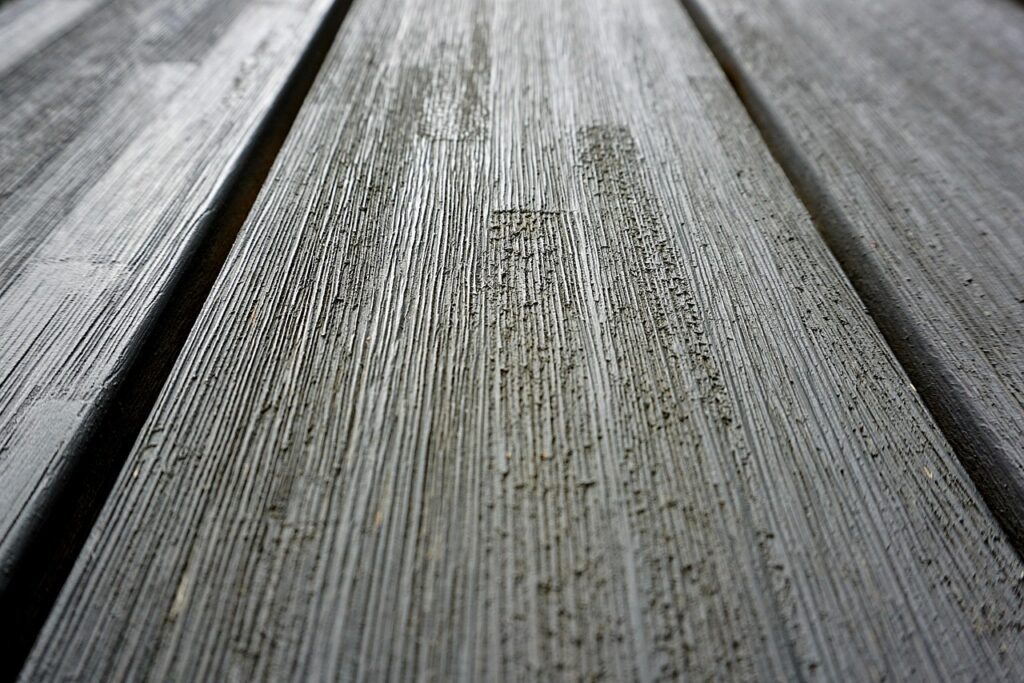
Grey has quietly overtaken brown as the most requested deck color in America, and the reason is simple: it works with modern homes, hides dirt, and never looks dated. Grey composite decking boards deliver that sophisticated, weathered-driftwood look without the splinters, staining, or annual sealing that real wood demands. From cool slate to warm greige, the shade range is broad enough to match almost any exterior. This guide walks through the popular tones, the leading brands, real-world costs, and the installation details that separate a good deck from a great one.
Part of our Decks & Outdoor guide — explore the full guide →
Why Choose Grey Composite Over Wood
Pressure-treated lumber is cheap upfront, but it fades to a blotchy gray within a season and needs sanding and sealing every year or two. Composite skips all of that. The boards are made from a blend of recycled wood fibers and polyethylene, wrapped in a protective polymer shell that shrugs off moisture, mold, and UV.
Grey is a particularly smart choice in composite because it disguises pollen, dust, and light debris far better than dark brown or black boards, which show every speck. It also stays cooler underfoot than black decking on a July afternoon, an underrated comfort factor for barefoot summer use. Over a 25-year lifespan, the maintenance savings alone often justify the higher initial price.
Popular Shades of Grey
Grey is not a single color, and picking the right undertone matters more than most buyers realize. The tone should respond to your siding, trim, and how much sun the deck gets.
Cool and Slate Greys
Blue-grey and true slate tones, like Trex Island Mist or TimberTech Coastline, pair beautifully with white or navy homes and give a crisp, contemporary feel. Cool greys can look stark against warm brick, so consider your backdrop.
Warm Greige and Driftwood
Greige, a grey with a beige undertone, is the most versatile pick. Boards like Trex Rocky Harbor or Fiberon Sanded Sawcut read as weathered driftwood and flatter nearly every siding color. These hide dirt exceptionally well.
Multi-Tonal and Variegated Greys
Premium capped-composite lines streak several grey tones through each board to mimic real hardwood grain. The variegation adds depth and camouflages scuffs, though it costs more than solid-color boards.
Leading Brands and What They Offer
Not all composite is equal. The big difference is whether a board is “capped,” meaning wrapped in a protective polymer shell, versus uncapped older-generation product that stains and fades.
- Trex: the market leader; the Transcend and Enhance lines offer several greys with strong fade and stain warranties.
- TimberTech (AZEK): premium capped polymer and composite, excellent color realism, higher price.
- Fiberon: strong value in the mid-range with convincing grey tones and a 25-year fade warranty.
- Deckorators: mineral-based composite that resists moisture absorption and offers unique cool-tone greys.
Always choose a capped product. Uncapped composite from a decade ago earned the category a reputation for mold and fading that capped boards have largely solved.
Cost Per Square Foot
Budgeting realistically prevents mid-project sticker shock. Composite costs more than wood upfront but wins over the long haul once you factor in sealing and replacement.
- Boards only: $4 to $13 per square foot depending on brand and whether it is capped composite or premium capped polymer.
- Installed with substructure and hardware: $30 to $60 per square foot for a professionally built deck.
- Hidden fasteners and clips: add roughly $0.50 to $1 per square foot but give a clean, screw-free surface.
A 320-square-foot deck in grey composite typically runs $9,600 to $19,000 installed, versus $6,000 to $10,000 for pressure-treated wood. The gap narrows to nothing once you tally decades of stain, sealer, and board replacement on the wood deck.
Installation Tips for a Flawless Deck
Composite installs differently than wood, and ignoring the manufacturer’s rules causes buckling and warranty denials. Follow these fundamentals for a deck that stays flat and tight.
- Space joists at 16 inches on center for residential decks, or 12 inches for diagonal board patterns; composite sags more than wood if joists are too far apart.
- Leave the specified end-to-end and side-to-side gaps, usually 1/8 to 3/16 inch, so boards can expand in heat without buckling.
- Use the brand’s hidden fastener clips for a clean look and consistent spacing.
- Acclimate the boards on-site for a day or two before cutting so they reach ambient temperature.
- Pre-drill and use composite-specific screws where face-fastening is required to avoid mushrooming.
Grey composite decking boards install in any season, but building in moderate temperatures makes gapping easier to judge, since the boards will be near their middle expansion point.
Cleaning and Long-Term Care
The whole point of composite is low maintenance, and grey makes it even lower because it hides light soiling. A twice-yearly wash keeps it looking new. Use a soft-bristle brush, warm water, and a mild soap or a composite-specific cleaner, working with the grain. Rinse thoroughly.
Skip the pressure washer on a high setting; too much pressure can etch the polymer cap and void the warranty. If you must pressure wash, stay under 3,100 PSI with a fan tip held at least a foot away. Address grease spills from the grill quickly with a degreaser so they do not set. Do that, and grey composite decking boards will hold their sophisticated, low-maintenance good looks for 25 years or more, giving you back the weekends you would have spent sanding and staining a wood deck.
Matching Railings and Trim to Grey Boards
The deck surface is only part of the picture; railings and fascia pull the whole look together. Grey decking pairs cleanly with several railing choices. White railings create a crisp, classic contrast that keeps the deck feeling bright and open, a favorite on coastal and farmhouse homes. Black aluminum railings deliver a modern, almost invisible sightline that lets the view through, which works beautifully with cool slate greys.
For a monochromatic, sophisticated look, match grey composite railings to the deck boards so the structure reads as one continuous element. Cable railing systems, with thin stainless cables strung between posts, are another modern option that disappears against grey boards and preserves the view. Do not forget the fascia board that wraps the deck’s exposed edge; a matching or slightly contrasting grey fascia hides the substructure and gives the deck a finished, furniture-quality edge. These trim decisions are where a good composite deck starts to look like a designed outdoor room rather than a plain platform.
How Grey Holds Up in Sun and Weather
A fair question with any deck color is how it ages, and grey has a real advantage. Because the boards start in a neutral, weathered-looking tone, the slight, uniform fading that all composite undergoes over years is far less noticeable than it would be on a saturated red or dark brown board. Capped composite carries fade warranties typically running 25 to 50 years, and quality grey boards hold their color impressively across that span.
Grey also handles heat sensibly. Lighter and mid-tone greys absorb less heat than black or espresso boards, staying more comfortable for bare feet on a hot afternoon, though no composite stays as cool as light-colored wood. In snowy climates, grey hides the salt and grit residue of winter better than dark boards, and the capped surface resists the moisture and freeze-thaw cycles that split and cup natural wood. Across sun, rain, and snow, grey composite is one of the most forgiving and durable choices you can put underfoot, which is a big part of why it now leads the market.