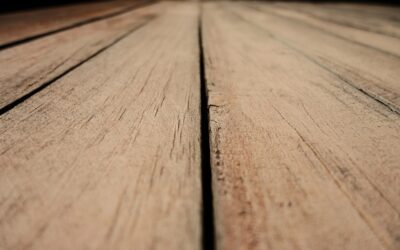
Gray has quietly become the most requested deck color in the country, and for good practical reasons beyond the modern good looks. Light grey composite decking stays noticeably cooler underfoot than dark boards, hides pollen and light dust between cleanings, and pairs effortlessly with nearly every siding and railing color. It gives you the contemporary, coastal, or Scandinavian aesthetic that dark browns simply cannot, while delivering all the low-maintenance benefits that make composite worth the premium over wood in the first place.
Part of our Decks & Outdoor guide — explore the full guide →
This guide covers why homeowners are choosing light gray, how composite decking is built, what it costs, how well it resists fading and heat, and the design and installation details that make a gray deck look its best.
- Why Choose Light Grey
- What Composite Decking Actually Is
- Capped Versus Uncapped
- How Well Does Gray Resist Fading
- What It Costs
- Design Ideas for a Light Gray Deck
- Installation Considerations
- Keeping It Looking New
- Common Mistakes to Avoid
- Comparing Light Gray to Other Popular Colors
- Environmental and Longevity Benefits
Why Choose Light Grey
Color choice on a deck is not purely cosmetic; it affects comfort and maintenance. Light gray offers a compelling combination of both.
- Cooler surface: lighter colors absorb less solar heat, so a light gray board runs meaningfully cooler on a hot afternoon than a dark espresso or gray-black board, an important comfort factor for bare feet.
- Hides light debris: pollen, dust, and light dirt blend in far better on gray than on dark boards, where every speck shows.
- Versatile style: gray is neutral, pairing with white, navy, black, natural wood, and stone, and it suits modern, coastal, farmhouse, and transitional homes alike.
- Bright and open feel: lighter decking reflects light and makes outdoor spaces feel larger and airier than dark surfaces.
What Composite Decking Actually Is
Composite decking is engineered from a blend of recycled wood fibers and plastic polymers, compressed into boards that mimic the look of wood without its drawbacks. It does not need staining or sealing, resists rot and insects, and will not splinter or warp the way natural lumber can. Most quality composite today is capped, meaning a durable polymer shell wraps the board core to lock out moisture and dramatically improve stain and fade resistance. This capped construction is especially important for light colors, which show fading and staining more readily than dark ones.
Capped Versus Uncapped
The difference matters a great deal for a light gray deck. Uncapped, or first-generation, composite has an exposed wood-plastic surface that can fade, stain, and grow mold in damp conditions. Capped composite adds a protective polymer layer on the surface, sometimes on all four sides, that resists fading, repels stains, and stands up to the elements far better. For light grey composite decking, always choose a capped product; the cap is what keeps that fresh gray tone from washing out or streaking within a few seasons.
How Well Does Gray Resist Fading
All decking, wood and composite alike, lightens somewhat under UV exposure. The advantage of gray is that it fades gracefully. Where a rich brown board can look blotchy and washed out as it fades, a gray board simply shifts to a slightly softer gray, so any change is far less noticeable. Quality capped composite lines carry fade and stain warranties of 25 years or more, and modern UV-stable colorants hold the tone well. The initial break-in period, where boards may lighten slightly in the first few months, settles into a stable long-term color, so it is worth expecting a small early shift.
What It Costs
Composite decking costs more upfront than pressure-treated wood but saves on maintenance over its life. Expect these rough ranges for materials.
- Capped composite boards: roughly $4 to $9 per linear foot depending on brand and product tier.
- Installed cost: commonly $30 to $60 per square foot including substructure, railing, and labor.
- Premium light gray lines with multi-tonal streaking and four-sided capping sit at the higher end.
Against that, factor in decades with no staining, sealing, or board replacement, which pressure-treated wood demands every few years. Over a 25-year horizon, composite often comes out ahead on total cost of ownership despite the higher purchase price.
Design Ideas for a Light Gray Deck
Gray is a designer’s blank canvas. A few pairings consistently look great.
- Black railings against light gray boards deliver a crisp, modern, high-contrast look.
- White trim and railings read coastal and fresh, especially near water or with white siding.
- Natural wood accents like a cedar pergola or teak furniture warm up the cool gray palette.
- Mixed-tone boards with subtle streaking add depth and read more like real weathered wood than a flat solid gray.
- Contrasting picture-frame borders in a darker gray or brown define the deck edge elegantly.
Gray also lets your furniture, planters, and outdoor rugs bring the color, functioning as a neutral stage rather than competing with your decor.
Installation Considerations
Composite installs similarly to wood decking but with a few product-specific rules that protect the finish and prevent problems.
- Follow the manufacturer’s joist spacing exactly; composite requires closer support, often 16 inches on center or less, and 12 inches for diagonal patterns.
- Leave the specified gaps between board ends and sides to allow for thermal expansion, which composite does more than wood.
- Use hidden fastener clips designed for the product to keep the surface clean and let boards move.
- Ensure good drainage and airflow beneath the deck to prevent moisture buildup and mold on the underside.
- Handle and store boards flat before installation so they do not bow in the sun.
Keeping It Looking New
Low maintenance does not mean no maintenance. A light gray deck stays its best with occasional care.
- Sweep off leaves and debris regularly to prevent staining and mold, which show more on light colors.
- Wash a couple of times a year with soap and water and a soft brush; avoid harsh pressure washing that can damage the cap.
- Clean up food, grease, and spills promptly before they set into the surface.
- Rinse off pollen and light dirt with a hose during heavy pollen season.
Common Mistakes to Avoid
- Choosing an uncapped budget composite for a light color, which will stain and fade faster.
- Spacing joists too far apart, causing boards to feel bouncy or sag over time.
- Skipping expansion gaps, leading to buckling in summer heat.
- Pressure washing too aggressively and damaging the protective cap.
- Expecting zero color change; plan for a slight early lightening that then stabilizes.
Comparing Light Gray to Other Popular Colors
It helps to see where light gray sits among the composite color field. Dark browns and espressos look rich and hide certain stains, but they run hot in direct sun and show pollen and dust readily. Warm tans and cedar tones feel traditional and forgiving but read less contemporary. Gray-black and charcoal boards are dramatic and modern but absorb the most heat of any color, making them a poor choice for a sunny deck where people go barefoot. Light gray threads the needle: modern enough for current tastes, cool enough for comfort, and neutral enough to pair with anything.
If you cannot decide, many manufacturers offer multi-tonal gray boards that blend light and medium gray streaks, giving depth and disguising minor debris even better than a flat solid gray. Ordering a few sample boards and laying them in your actual sunlight, morning and afternoon, is the best way to confirm the tone before committing to a full order.
Environmental and Longevity Benefits
Beyond looks, composite decking carries real sustainability and longevity advantages. Most quality composite is made largely from recycled wood fiber and reclaimed plastic, diverting waste that would otherwise head to a landfill, and because it never needs staining or sealing, it eliminates decades of chemical finishes that wood decks require. Its long service life, often 25 to 30 years or more, means fewer replacement materials over the life of your home. For a light gray deck specifically, the fade-resistant cap ensures that long life comes with lasting color, so the deck you install looks much the same many years later with only routine cleaning.
Light grey composite decking hits a rare sweet spot of style, comfort, and practicality: it stays cooler than dark boards, hides everyday debris, suits almost any home, and needs only occasional cleaning. Choose a quality capped product, follow the spacing and expansion rules during installation, and give it a wash a couple of times a year, and you will have a bright, modern deck that looks fresh for decades.