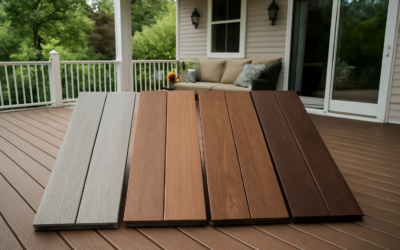
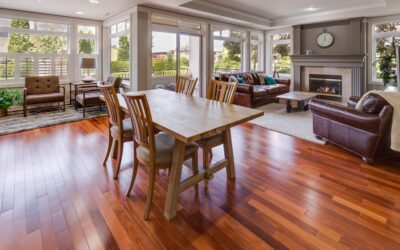
Real cedar is gorgeous the day it goes down and a maintenance headache every year after. Cedar composite decking gives you that warm, natural cedar look, the reddish-brown tones and subtle grain, without the annual sanding, staining, and sealing that real cedar demands. Modern composite boards embossed and colored to mimic cedar have gotten so convincing that from a few feet away most people cannot tell the difference, and they will not splinter, cup, or fade the way natural wood does.
Part of our Decks & Outdoor guide — explore the full guide →
What Cedar Composite Decking Actually Is
Despite the name, there is no cedar wood in most cedar-look composite boards. Composite decking is manufactured from a blend of recycled wood fibers and plastic, then colored and textured to replicate a specific wood species. “Cedar” refers to the color palette and grain pattern, warm reddish-browns with natural streaking, not the material itself. The best boards are capped composites, wrapped in a durable polymer shell that resists stains, scratches, and fading.
This construction is why the boards hold up so well outdoors. The plastic content makes them impervious to rot and insects, while the wood fibers give them a natural feel and matte finish rather than a glossy plastic look. The result is a board that reads as cedar to the eye but behaves like the low-maintenance material it is.
How the Look Compares to Real Cedar
Natural cedar has a beauty that is hard to fully replicate, especially the way light plays across freshly finished boards. But cedar composite comes remarkably close, and it wins on consistency. Where real cedar varies wildly board to board and develops knots and color swings, quality cedar composite offers a controlled, repeating grain with multi-tonal streaking that looks natural without the defects.
The biggest visual advantage of composite shows up over time. Real cedar starts rich and warm, then weathers to a silvery gray within a year or two unless you refinish it constantly. Cedar composite holds its color for decades, with premium capped boards carrying fade warranties of 25 years or more. If you want a deck that still looks like new cedar in year fifteen, composite is the only realistic way to get it.
The Maintenance Difference
This is where composite truly separates itself, and for most homeowners it is the deciding factor. Real cedar decking is a yearly commitment:
- Real cedar: Annual cleaning, sanding of rough spots, and reapplication of stain or sealer, plus occasional board replacement as pieces rot or split. Budget several hundred dollars and a full weekend every year.
- Cedar composite: Occasional soap-and-water wash to remove dirt and pollen. No staining, no sealing, no sanding. A garden hose and a soft brush handle nearly everything.
Over a 25-year deck life, the maintenance savings in time, product, and labor easily run into the thousands of dollars, which offsets a large share of composite’s higher upfront cost.
Cost Breakdown
Composite costs more to buy but less to own. Here is how the numbers typically compare on a per-square-foot basis for materials:
- Real cedar decking: $4 to $9 per square foot for boards, plus ongoing finishing costs.
- Entry-level cedar composite: $5 to $9 per square foot.
- Premium capped cedar composite: $9 to $16 per square foot.
A typical 300-square-foot deck in cedar composite might run $2,000 to $4,500 in materials, with installation adding $15 to $35 per square foot in labor if you hire it out. Cedar lumber looks cheaper at purchase, but factor in a stain-and-seal cycle at roughly $200 to $400 per year and composite pulls ahead within about a decade, while lasting longer overall.
Top Brands and Product Lines
Several major manufacturers offer convincing cedar-toned lines, and it pays to look at their color names and warranties. Trex offers warm cedar-like tones in its Transcend and Enhance lines, TimberTech has cedar-inspired colors across its AZEK and PRO collections, and Fiberon produces cedar-look boards in its Concordia and Good Life series. Each caps its premium boards in a protective polymer shell and backs them with 25- to 50-year limited warranties against fading, staining, and structural failure.
When comparing, look past the marketing name to the construction. A fully capped board, wrapped on all four sides, resists moisture and stains far better than an uncapped or partially capped board. Check the fade and stain warranty length, request physical samples to judge the cedar tone in your own light, and confirm the board works with a hidden fastener system for a clean, screw-free surface.
Installation Considerations
Composite installs much like wood decking but with a few important differences driven by its thermal movement. Cedar composite expands and contracts more than lumber, so leave the manufacturer’s specified end and side gaps, typically around 1/8 to 3/16 inch, to prevent buckling. Joist spacing usually must be tighter than for wood, often 12 to 16 inches on center, because composite is more flexible and sags over wide spans.
Most cedar composite lines use hidden fasteners that clip into a groove on the board edge, leaving the surface clean and screw-free. This also allows for consistent spacing and easy board removal later. Because the boards hold heat, a darker cedar tone can get warm underfoot in full sun, so consider a lighter shade for a deck that bakes all afternoon. Pair the deck with matching composite fascia and railing for a fully finished, low-maintenance package.
Pros and Cons at a Glance
Weighing the tradeoffs honestly helps you commit with confidence. On the plus side, cedar composite resists rot, insects, and moisture completely, holds its color for decades, never needs staining or sealing, and will not splinter, which matters for bare feet and kids. Capped boards shrug off spilled wine, grease, and sunscreen that would stain real wood. The long warranties transfer peace of mind to a future buyer, and the boards are made largely from recycled content.
The downsides are real but manageable. Composite costs more upfront than cedar lumber, darker cedar tones absorb heat and get warm in direct sun, and while the look is excellent it is not a perfect one-to-one match for freshly finished cedar up close. Composite also cannot be sanded and refinished to a new color the way wood can, so you choose your tone for the life of the deck. For most homeowners, the maintenance freedom and longevity outweigh these limits easily.
Keeping Your Composite Deck Looking New
Low maintenance does not mean no maintenance, and a little care keeps the cedar tone crisp for decades. Sweep off leaves and debris regularly, since organic matter left sitting can leave surface stains and feed mildew in shady, damp spots. A couple of times a year, wash the deck with warm soapy water and a soft-bristle brush, then rinse; for tougher grime, a composite-safe deck cleaner works well.
Avoid dragging metal furniture or heavy planters that can scratch the cap, and use protective pads under furniture legs. If mildew appears in a shaded corner, address it promptly with a cleaner rated for composite rather than letting it establish. Skip the pressure washer at high settings, which can damage the embossed grain; if you must use one, keep it under 1,500 psi with a fan tip held well back. Follow the manufacturer’s cleaning guidelines and your cedar composite deck will look nearly new well into its second decade.
Is Cedar Composite Right for You?
Cedar composite decking is the clear winner for anyone who loves the look of natural cedar but hates the annual upkeep it demands. You get warm, consistent cedar tones that resist fading for decades, immunity to rot and insects, and freedom from sanding and staining, all in exchange for a higher purchase price that pays itself back through years of saved maintenance. Choose a fully capped board from a reputable brand, order samples to confirm the color, and space your joists and gaps per the instructions. Do that, and you will enjoy the beauty of cedar every summer without ever picking up a paintbrush.