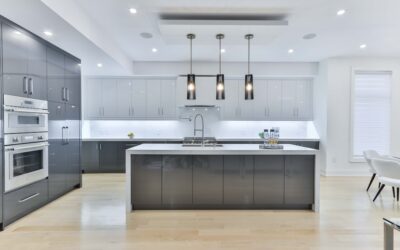
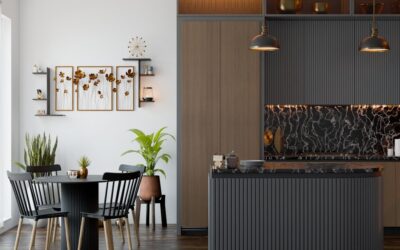
Designers reach for one oak tone again and again when they want warmth without going dark or gold. Champagne oak flooring sits in that perfect middle ground — a light, blonde-neutral color with the faintest warm shimmer, like the drink it’s named after. It’s neither the stark white-wash of Scandinavian style nor the yellow cast of old-school honey oak, which is exactly why it has become a go-to for kitchens, open-plan living spaces, and bright modern interiors. Here’s how to evaluate it and decide if the tone works for your home.
- What Champagne Oak Actually Looks Like
- Pros of Champagne Oak Flooring
- Cons and Honest Drawbacks
- Engineered vs. Solid vs. Look-Alike Options
- Choosing the Right Finish Sheen
- Where Champagne Oak Works Best
- Care and Maintenance
- Pairing Champagne Oak With Your Decor
- Cost and What Drives the Price
- Is Champagne Oak Flooring Worth It?
What Champagne Oak Actually Looks Like
Champagne oak refers to a color and finish, not a separate species — it’s typically white oak or European oak finished in a pale, soft beige-blonde with subtle warm undertones. Compared to a true whitewash, it keeps more of the natural grain visible and reads slightly warmer. Compared to natural oak, it’s lighter and more neutral, with the orange and yellow tones muted.
The result is a floor that feels airy and current without looking cold or gray. Under different lighting it shifts gently between sandy beige and pale champagne, which is part of its appeal — it adapts to both warm and cool color schemes.
Pros of Champagne Oak Flooring
The standout advantage is versatility. A warm-neutral blonde works with almost any palette — white and greige walls, navy cabinets, black hardware, or natural wood furniture all sit comfortably against it. That flexibility makes it a low-risk choice if you redecorate often or plan to sell.
- Hides dust and pet hair better than dark floors, so it looks clean longer.
- Brightens rooms by reflecting light, making small or north-facing spaces feel larger.
- Timeless appeal — light oak has stayed in style for years and avoids the dated look of heavy stains.
- Shows fewer scratches than dark stains, since scratches expose pale wood that blends in.
Cons and Honest Drawbacks
Light floors are not flawless. While they hide fine scratches and dust, they show standing water, dark spills, and ground-in mud more clearly than mid-tone floors. Households with muddy boots or large dogs may need to mop more often to keep that crisp look.
Color consistency is another consideration. Because champagne oak relies on a precise finish, batches and brands can vary, and matching a specific champagne tone later — for a repair or addition — can be difficult. If you buy, get a little extra from the same lot. Finally, achieving the exact look on solid wood usually means a custom finish, which costs more than buying it pre-finished.
Engineered vs. Solid vs. Look-Alike Options
You can get the champagne look across several products:
- Engineered oak: The most common route for this color. A real oak wear layer over a stable plywood core, pre-finished in champagne tones. Typically $5 to $10 per square foot.
- Solid oak, custom finished: Sanded and finished on site to a champagne tone. More control, more cost — often $8 to $14+ per square foot installed.
- Champagne oak LVP: Luxury vinyl printed and embossed to mimic the tone, waterproof and budget-friendly at $2 to $5 per square foot. Good for moisture-prone rooms.
Choosing the Right Finish Sheen
Sheen changes the personality of the floor as much as color does. Matte and satin finishes are the most popular for champagne oak because they emphasize the soft, natural look and hide micro-scratches well. A higher gloss can make the tone look more formal but also highlights every footprint and scuff.
Wire-brushed or lightly textured surfaces add depth and a tactile, contemporary feel, while smooth finishes read sleeker and more modern. Always test a sample in your own light before committing, since champagne tones can swing warm or cool depending on whether your bulbs are warm-white or daylight.
Where Champagne Oak Works Best
This color shines in spaces where you want brightness and flexibility — open living and dining areas, kitchens, bedrooms, and entryways. It pairs especially well with abundant natural light, making sunny rooms feel even more open. In darker basements or low-light hallways, the pale tone helps lift the space.
For high-moisture areas like full bathrooms and laundry rooms, lean toward the LVP version to keep the look without the water risk. In busy households, the engineered or LVP options balance the appearance with practical durability.
Care and Maintenance
Maintaining champagne oak is straightforward. Sweep or vacuum regularly to keep grit off the surface, since fine sand is what scratches and dulls any wood floor. Clean with a barely damp mop and a pH-neutral hardwood cleaner, and wipe up spills promptly so dark liquids don’t sit on the pale finish.
Use felt pads under furniture, place mats at entries, and add area rugs in high-traffic paths. Over years, a real-wood champagne floor can be screened and recoated to refresh the finish, while LVP simply needs routine cleaning.
Pairing Champagne Oak With Your Decor
Part of what makes this tone so popular is how easily it coordinates. Against crisp white or soft greige walls it reads bright and airy; against deeper colors like navy, forest green, or charcoal cabinetry it provides a warm, grounding contrast that keeps the room from feeling heavy. Brass and matte black hardware both look intentional over a champagne floor, giving you flexibility in fixtures and accents.
For furniture, champagne oak welcomes both light and dark pieces — pale linen upholstery and natural wood for a serene look, or black and walnut for contrast. Layered rugs in muted tones add warmth without competing with the floor. Because the color is so adaptable, you can refresh a room’s palette over the years without ever needing to change the floor, which is a real long-term value.
Cost and What Drives the Price
Champagne oak spans a wide price range depending on construction. LVP versions are the budget option at roughly $2 to $5 per square foot, engineered oak typically runs $5 to $10, and custom-finished solid oak can reach $8 to $14 or more per square foot installed. The biggest cost drivers are whether you choose real wood versus vinyl, the thickness of the wear layer or veneer, plank width (wider planks command a premium), and whether the finish is factory-applied or done on site.
When comparing quotes, make sure each includes the same scope — subfloor prep, underlayment, removal of old flooring, and trim — since these can swing the total significantly. Buying a little extra material from the same production lot is worth the cost, because matching a specific champagne tone later can be difficult.
Is Champagne Oak Flooring Worth It?
If you want a light floor that’s warmer and more livable than a stark whitewash but brighter and more current than honey oak, champagne oak flooring is a smart, lasting pick. It flatters almost any decor, hides everyday wear well, and keeps spaces feeling open. Match the product — engineered, solid, or LVP — to your room’s moisture and traffic, and you’ll have a floor that looks fresh for years.
Prefer to explore on your own?
See how new flooring looks in your actual room in seconds — free, no signup.
Try the free Floor Studio →