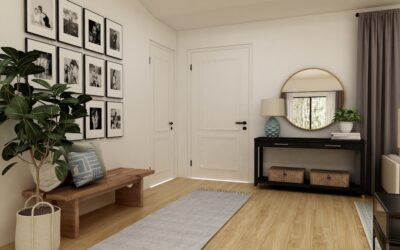
The entry is the hardest-working few square feet in your home. It catches mud, rain, sand, and the grit that hitchhikes in on shoes every single day. A well-chosen entryway carpet does more than soften that first step inside; it traps debris before it migrates across your floors, absorbs moisture, and sets the tone for the rest of the house. Whether you call it a runner, a mat, or wall-to-wall carpet, the right entryway carpet can save you hours of cleaning and protect the flooring underneath for years.
This guide walks you through the materials that hold up best, how to size your entry covering, the styles that work for different homes, and the maintenance habits that keep it looking sharp instead of matted and gray.
Why Your Entryway Needs Its Own Carpet
Researchers who study indoor cleanliness have long noted that a large share of the dirt inside a home walks in through the front door. Studies on tracked-in soil suggest that effective entry matting can capture a substantial percentage of that debris before it spreads. That single barrier reduces wear on your main flooring, cuts down on dust, and limits how often you vacuum the rest of the house.
Beyond cleanliness, an entry covering adds safety. Wet shoes on tile or hardwood are a slipping hazard, and a textured surface gives traction right where people are most likely to lose their footing. It also adds warmth and a visual welcome, signaling that the space is cared for.
Best Materials for High-Traffic Entries
Material choice matters more here than almost anywhere else in the home because of the constant abuse. A few options consistently perform well.
- Nylon: The most resilient synthetic carpet fiber. It springs back from crushing, resists abrasion, and cleans easily, making it a top pick for busy households.
- Polypropylene (olefin): Naturally stain and moisture resistant and budget friendly, though it crushes more easily than nylon under heavy traffic.
- Polyester (PET): Soft and good at resisting water-based stains, with rich color options, though slightly less durable long term.
- Wool: A premium natural fiber that hides dirt well and feels luxurious, but it costs more and needs gentler care.
- Coir, jute, and seagrass: Natural fibers ideal for scraping shoes clean; coir in particular excels at brushing off grit, though it sheds and dislikes prolonged moisture.
For a covered porch or directly outside the door, look for outdoor-rated synthetics with rubber or vinyl backing that resist mold and UV fading.
Sizing and Placement
Getting the dimensions right is what separates a functional entry from a decorative afterthought. A common guideline is to allow enough length for at least two full steps before a person reaches your main flooring, which usually means a runner or mat in the range of 3 to 6 feet long. Wider entries benefit from a piece roughly 3 to 4 feet wide so people do not step around it.
Leave a small border of bare floor on each side rather than running the carpet wall to wall in most cases, since the contrast frames the space and makes the area look intentional. If your door swings inward, confirm the carpet thickness clears the bottom of the door so it does not bunch or jam.
Styles That Fit Your Home
Pattern is your friend at the entrance. Busy designs, flecked colors, and darker tones hide the dirt that inevitably collects between cleanings, while a solid cream rug will broadcast every footprint. Geometric patterns, heathered blends, and traditional motifs all do double duty as camouflage and decor.
Match the formality to your home. A classic patterned runner suits a traditional foyer, while a low-pile textured weave or a simple striped mat complements a modern entry. For homes with kids, pets, and constant in-and-out traffic, a darker, machine-washable option will frustrate you far less than a delicate light-colored piece.
Layering for Maximum Dirt Control
Professionals often recommend a two-stage system at busy entries. Place a coarse scraper mat outside or just inside the door to knock loose mud and grit off shoes, then a softer absorbent carpet a step further in to capture fine dust and moisture. This combination removes far more soil than a single mat alone.
Whatever you layer, anchor it. A loose rug on a hard floor slides underfoot and becomes a fall risk, especially when wet. Use a quality non-slip rug pad sized slightly smaller than the carpet, or choose a piece with an integrated rubber backing. The pad also lifts the rug slightly, improving airflow and helping it dry.
Cleaning and Maintenance
Entry carpet collects soil fast, so a routine keeps it presentable. Vacuum it two or three times a week if traffic is heavy, more during muddy or snowy seasons. Shake out or take smaller mats outside weekly to release the gritty particles that grind down fibers from below.
Treat spills and salt stains quickly. Blot, never rub, liquids with a clean cloth, and tackle winter salt residue with a mild solution of water and a little vinegar on synthetic fibers, testing an inconspicuous corner first. Many synthetic entry mats are machine washable on a gentle cycle; check the label and air dry rather than using high heat, which can damage rubber backings. Rotate the rug periodically so it wears evenly, and deep clean it once or twice a year.
Protecting the Floor Underneath
The flooring beneath your entry carpet deserves attention too. Trapped moisture from a rubber-backed mat sitting on hardwood can, over time, discolor the finish or trap dampness against the wood. Lift the carpet periodically to let the floor breathe and dry, and avoid solid rubber backings directly on natural hardwood for long stretches.
On tile or vinyl, backing concerns are minimal, but you should still sweep underneath when you clean so grit does not get ground in. With the right material, correct sizing, a non-slip pad, and a consistent cleaning rhythm, a good entryway carpet pays for itself many times over by guarding your floors and keeping the busiest spot in your home looking clean and inviting.