A quality enzymatic pet cleaner is the only product category that genuinely eliminates urine odor at the molecular level rather than masking it. Most homeowners who think their carpet cleaner failed have actually used a non-enzymatic product on a urine stain, which neutralizes the smell for humans for a few weeks but leaves the dog or cat returning to the same spot indefinitely. After dealing with three rescue dogs and a cat through training phases and accidents, here is what actually works.
The Chemistry That Makes Enzymes Different
Pet urine breaks down into uric acid crystals that bond to fibers, padding, and subfloor materials. Standard cleaners (soap, vinegar, ammonia-based products) clean the surface but leave the uric acid intact, where it reactivates every time humidity rises and the pet returns to mark over what it still smells.
Enzymatic cleaners use biological enzymes (typically proteases and lipases) that physically break down uric acid and other organic compounds into smaller molecules that evaporate or rinse away. The bacteria in the formula also produce more enzymes as they consume the waste, continuing to work for 24 to 72 hours after application.


Top Performers in 2026
Several products consistently outperform competitors in independent testing and real-world use.
- Nature’s Miracle Advanced Stain and Odor Eliminator: $15 for 32 oz, the long-standing benchmark
- Rocco and Roxie Professional Strength: $20 for 32 oz, slightly stronger formulation, gentler smell
- Skout’s Honor Urine Destroyer: $13 for 32 oz, faster activation time
- Anti-Icky-Poo (AIP): $32 for 32 oz, professional-grade product used by pet cleaning services
- Simple Solution Extreme Pet Stain and Odor Remover: $11 for 32 oz, budget-friendly entry
Avoid products marketed as “enzymatic” that lack a temperature-sensitive shipping recommendation. Real enzymes denature above 95 degrees, so legitimate products specify cool storage and have a 12 to 24 month shelf life after manufacture.
The Application Steps Most Owners Skip
Enzymatic cleaners fail when applied like ordinary spray cleaners. The protocol that works requires patience.
- Blot up as much liquid as possible with white towels before applying anything
- Saturate the entire affected area, including soaking down through carpet into the padding
- Cover with a wet towel or plastic to slow evaporation
- Let the enzymes work for the full label time, usually 12 to 24 hours
- Allow to air dry naturally rather than blotting halfway through
The biggest mistake is using too little product. A cat urine spot on carpet typically needs 6 to 10 ounces of cleaner to fully penetrate the padding underneath. Spritzing the surface with two sprays does almost nothing because the contamination extends 1 to 4 inches below what you can see.
Surface-Specific Considerations
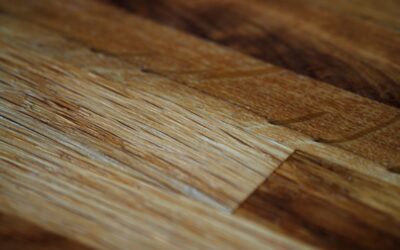
Different surfaces need different enzymatic strategies. Carpet and rugs absorb enzymes well and respond to the standard saturate-and-wait protocol. Hardwood floors and laminate are trickier because urine often penetrates around the edges of planks into the subfloor, and enzymatic cleaners cannot reach those areas without lifting boards.
- Carpet and rugs: Standard enzymatic protocol, ensure padding gets wet
- Hardwood floors: Surface application only, often need refinishing for old stains
- Tile and grout: Enzymes work well, may need multiple applications on porous grout
- Upholstery: Test on hidden area first, use slightly diluted application
- Mattresses: Saturate, blot, repeat; use a waterproof mattress protector going forward
The Black Light Diagnostic Step
Before deep-cleaning carpet or replacing flooring, scan the area with a 365 nanometer black light flashlight in a dark room. Dried urine fluoresces yellow-green and reveals contamination invisible to the eye. Most homes with one pet have 5 to 15 spots, and homes with multiple cats often show 30 or more.
A black light flashlight runs $12 to $20 on Amazon and pays for itself the first time it reveals a hidden contamination area you would otherwise have skipped. Treat every spot, not just the obvious ones, or the pet keeps re-marking.
What Does Not Work and Why
Several popular remedies do not address urine at the molecular level and should be skipped or used only in combination with enzymes.
- Vinegar: Neutralizes surface odor for humans but does not break down uric acid
- Hydrogen peroxide alone: Oxidizes the stain but leaves crystals intact
- Baking soda: Absorbs moisture but does not address the chemical contamination
- Carpet shampoo: Standard formulas detach the urine into the padding rather than removing it
- Steam cleaning: Bakes uric acid further into the fibers, permanently setting odor
Never steam clean a pet urine spot before treating with an enzymatic cleaner. The heat permanently bonds the proteins to the carpet fibers and makes future enzymatic treatment significantly harder.
When Replacement Beats Cleaning
Some contamination is too deep or too old to clean. If urine has soaked through carpet pad into a wood subfloor for months, the wood absorbs the staining and odor in ways that no cleaner reaches. In those cases, the cost-effective path is replacing the affected carpet section and padding, sealing the subfloor with Kilz Original or a similar shellac-based primer, and starting fresh.
For chronic markers, professional cleaning services using injection extraction with commercial enzymes ($150 to $400 per room) outperform any DIY product on severe contamination. Get the service before assuming the carpet needs replacement, since one professional treatment often saves an entire reflooring.
Building a Long-Term Strategy
A working enzymatic pet cleaner is the centerpiece of a broader strategy: prompt treatment of every accident, periodic black-light audits of suspicious areas, and waterproof barriers on mattresses and frequently-marked carpet zones. With the right product and proper application, the smell genuinely disappears, the pet stops returning to the same spot, and you save the carpet for its full expected life.