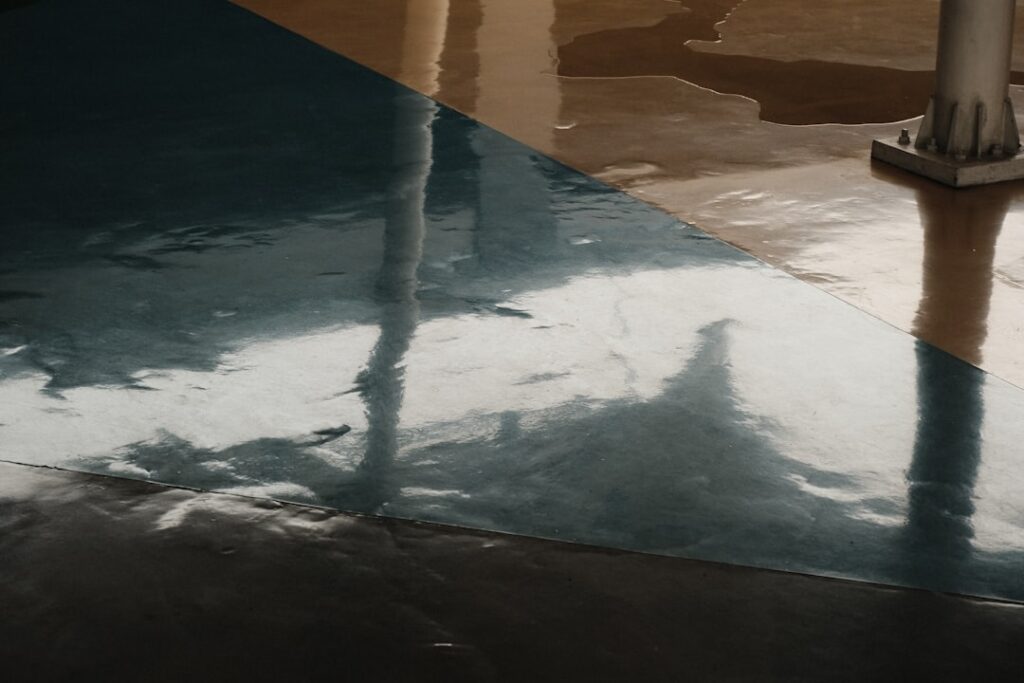
Choosing the color for an epoxy floor is harder than it sounds, because the coating is not a single flat paint but often a layered system of base color, decorative flakes, and clear topcoat that all interact under your lighting. An epoxy floor color chart is the tool installers use to show how base tones and flake blends combine into the finished look, and understanding how to read one saves you from a costly color you regret. This guide explains the color categories, how flake blends work, which colors suit which spaces, and practical tips for picking a shade that hides dirt and lasts.
Part of our Epoxy, Concrete & Garage Floors guide — explore the full guide →
How Epoxy Color Systems Work
Unlike wall paint, most epoxy floors get their color from more than one layer. A color chart typically shows three elements you can mix and match: the solid base coat color, the decorative flake (or chip) blend broadcast into the coating, and any tint in the clear topcoat. The base sets the underlying tone, the flakes add texture and multiple accent colors, and the topcoat locks it all in with a gloss or satin sheen. Reading a chart means understanding that a “gray” floor might actually be a light gray base with a blend of gray, white, and black flakes that reads as a speckled whole. That layering is why samples matter so much.
Solid Color Options
The simplest look is a single solid base color with no flakes, giving a smooth, uniform surface. Common solid colors on most charts include:
- Grays: Light, medium, and charcoal grays are the most popular for garages and shops because they are neutral and hide tire marks reasonably well.
- Tans and beiges: Warm neutrals that suit basements and living spaces and hide dust.
- Blues: From slate to deep navy, common in commercial and hobby garages.
- Reds and terracotta: Bold choices for showrooms and accent areas.
- Black and dark tones: Dramatic and modern, but they show dust and footprints readily.
Solid colors look clean but reveal every speck of dirt and every imperfection in the concrete beneath, which is why many people add flakes.
Flake and Chip Blends
Decorative flakes are the most popular epoxy finish for good reason. Broadcasting colored vinyl chips into the wet base creates a speckled, terrazzo-like surface that hides dirt, adds slip resistance, and masks minor flaws. Color charts show flake blends by name, each a mix of several colors:
- Neutral blends: Grays, tans, and browns mixed with white and black for a versatile, dirt-hiding look.
- Bold blends: Blues, reds, or greens mixed with accent colors for garages and commercial spaces with personality.
- Light vs full broadcast: A light scatter of flakes lets the base show through; a full broadcast covers the base entirely for maximum texture and durability.
Because the flakes combine several colors, a blend reads as a unified tone from a distance while hiding grime up close, the best of both worlds.
Metallic Epoxy Colors
Metallic epoxy is a premium category that creates a swirling, three-dimensional, marbled effect by suspending metallic pigments in a clear or tinted resin. Color charts for metallics show base-and-pigment combinations that produce looks resembling molten metal, water, or stone. Popular choices include:
- Copper and bronze: Warm, rich swirls for showrooms and feature floors.
- Silver and pewter: Cool, modern marbling.
- Blues and teals: Ocean-like depth for statement floors.
- Black-and-gold or charcoal: Dramatic, high-end looks for retail and living spaces.
Metallics are stunning but each pour is unique and harder to repair or match, so they suit spaces where a one-of-a-kind look is the goal rather than uniformity.
Matching Color to the Room
The right color depends heavily on where the floor lives and how it gets used.
- Garages and workshops: Medium grays and tan flake blends hide oil, tire marks, and dust while staying bright.
- Basements and living areas: Warm neutrals or subtle flake blends feel finished and coordinate with furniture.
- Commercial and retail: Bold solids or metallics make a design statement and reinforce branding.
- Kitchens and utility rooms: Light neutrals brighten the space; add flakes for slip resistance where water is present.
Consider your lighting too. A color looks different under warm garage bulbs than under cool daylight, so evaluate samples in the actual space at different times of day.
Colors That Hide Dirt Best
If low maintenance matters, this is the most practical part of the chart. Solid dark colors and solid whites are the hardest to keep looking clean, since every crumb, footprint, and dust bunny shows. Medium-tone flake blends in grays and tans are the champions at disguising dirt, tire marks, and minor stains between cleanings because the speckled pattern breaks up the surface. If you dread constant sweeping, steer toward a multi-color flake blend in a mid-range tone rather than a solid color at either extreme.
How to Use Samples Correctly
A printed color chart is only a starting point; screens and paper never match a cured, glossy floor exactly. Always request physical sample boards or coupons of your top choices, which show the real base, flakes, and topcoat sheen together. Lay them on your actual floor and view them under your real lighting, both natural and artificial, and at the angle you will usually see the floor. The gloss topcoat deepens colors and adds reflection, so a sample under a glossy coat represents the finished look far better than a flat chip. Ordering the wrong color is expensive to fix, so this step is worth the wait.
Topcoat Sheen and Its Effect
The final clear coat changes how the color reads. A high-gloss topcoat intensifies colors, adds reflection, and brightens the room, but it also shows scratches and dust more. A satin topcoat mutes the color slightly and hides scuffs and footprints better, which many homeowners prefer for living spaces. Anti-slip additives in the topcoat create a subtle texture that also affects the final appearance. Decide on sheen alongside color, since the two together create the look you actually live with.
How Lighting Changes Epoxy Color
The same floor can look like two different colors depending on the light hitting it, which trips up many homeowners. Warm incandescent or older garage bulbs push colors toward yellow and amber, making grays look warmer and beiges look richer. Cool LED or daylight makes the same floor look crisper and slightly bluer. A glossy topcoat compounds the effect by reflecting whatever light is in the room, so a floor under bright shop lights appears far more vivid than the same coating in a dim basement. Before finalizing a color, view your sample under the actual bulbs you use in that space, and if you plan to upgrade the lighting, sample under the new bulbs. Natural light from a garage door or windows shifts the look throughout the day, so check morning and afternoon too.
Popular Color Combinations by Space
Certain base-and-flake pairings have become go-to choices because they simply work. For a two-car garage, a light gray base with a gray, white, and black flake blend is nearly foolproof: it brightens the space, hides tire marks, and coordinates with any vehicle. Finished basements often look best with a tan or warm gray base and a subtle earth-tone flake blend that reads like natural stone and pairs with furniture. Home gyms and workshops can handle bolder blues or reds that add energy without showing every speck. For a high-end living space or entryway, a charcoal or black metallic with silver or copper swirls makes a dramatic statement. Starting from a proven combination and tweaking the accent flakes is easier than building a color scheme from scratch.
The Bottom Line
Reading an epoxy floor color chart means thinking in layers: base color, flake blend, and topcoat sheen combine into the finished floor. Solid colors look clean but show dirt, flake blends hide grime and add grip, and metallics deliver dramatic one-of-a-kind effects. Match the color and sheen to how the room is used and how much cleaning you want to do, and always confirm your choice with a real cured sample in your own lighting before committing. Get the color right and your epoxy floor will look intentional and stay attractive for years.
Prefer to explore on your own?
See how new flooring looks in your actual room in seconds — free, no signup.
Try the free Floor Studio →