One of the biggest advantages of epoxy flooring is its virtually unlimited color customization. Unlike tile, hardwood, or vinyl where you choose from a manufacturer’s set catalog, epoxy can be mixed in any color, combined with decorative flakes, swirled into metallic patterns, or blended with quartz for a textured finish. The color and style options are limited only by your imagination and your installer’s skill.
Part of our Epoxy, Concrete & Garage Floors guide — explore the full guide →
This guide walks you through every epoxy color system available, the most popular color combinations, how to choose the right colors for your space, and what to expect from each decorative option.
Understanding Epoxy Color Systems
Epoxy floor colors are achieved through different systems, each producing a distinct look and texture. Understanding these systems is the first step in choosing your floor’s appearance.
Solid Color Epoxy
Solid color epoxy is the simplest and most affordable option. A single color tint is mixed into the epoxy resin before application, creating a uniform, seamless floor in your chosen color. The result is a clean, monochromatic surface that works well in garages, workshops, commercial kitchens, and industrial spaces.
Solid epoxy is available in virtually any color through custom tinting. Most epoxy manufacturers offer standard color charts with 20 to 50 pre-mixed colors, but custom color matching to any paint swatch or RAL color code is readily available from professional installers.
Common solid colors include light gray, medium gray, dark gray, beige, tan, white, black, and safety colors like red and yellow used for warehouse markings and safety zones. Gray is by far the most popular solid epoxy color, accounting for roughly 60 percent of all solid-color epoxy installations.
Metallic Epoxy
Metallic epoxy is the showstopper of the epoxy world. Metallic pigments made from finely ground mica or aluminum are mixed into the epoxy, creating a three-dimensional, pearlescent effect that shifts and moves as you view it from different angles. When applied, the metallic pigments settle and flow in organic patterns that resemble molten metal, ocean waves, or polished marble.
No two metallic epoxy floors look exactly alike. The final pattern depends on application technique, ambient temperature, the specific metallic pigments used, and even how the installer manipulates the wet epoxy with rollers, squeegees, and blowers. This uniqueness is a major selling point for homeowners who want a one-of-a-kind floor.
Metallic epoxy is popular for residential basements, showrooms, retail spaces, restaurants, and high-end garages. It costs more than solid epoxy due to the specialty pigments and the skill required for application, typically $7 to $15 per square foot installed compared to $3 to $7 for solid color.
Flake (Chip) Epoxy
Flake epoxy, also called chip or vinyl chip epoxy, involves broadcasting decorative acrylic flakes over wet epoxy and then sealing everything with a clear topcoat. The flakes come in hundreds of color combinations, from subtle earth tones to vibrant multi-color blends, and in sizes ranging from small confetti (1/16 inch) to large flakes (1 inch).
Flake coverage ranges from partial broadcast, where the base color shows between scattered flakes, to full broadcast, where flakes completely cover the base coat for a dense, terrazzo-like appearance. Full broadcast flake systems are the most popular choice for garage floors because they hide imperfections, provide excellent texture for slip resistance, and are incredibly durable.
Popular flake color blends include Saddle Tan, Outback, Domino (black and white), Nightfall (dark multi-color), and Torchlight (warm browns and golds). Most epoxy suppliers offer 20 to 40 standard flake blends, and custom blends can be created by mixing individual flake colors.
Quartz Epoxy
Quartz epoxy systems use colored quartz sand broadcast into wet epoxy instead of acrylic flakes. The quartz provides a textured, slip-resistant surface with a natural, stone-like appearance. Quartz systems are extremely durable and are the standard for commercial kitchens, locker rooms, showers, and other areas where slip resistance is critical.
Quartz is available in earth tones, neutrals, and multi-color blends. The texture ranges from fine sand to medium grit depending on the quartz grain size selected. A clear epoxy or urethane topcoat seals the quartz and provides a smooth, cleanable surface while retaining the slip-resistant texture.

Most Popular Epoxy Flooring Color Combinations
Based on installation trends and customer preferences, here are the most popular epoxy color schemes for different applications.
Garage Floors
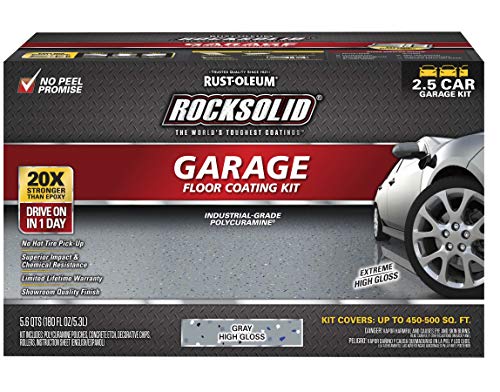
The classic garage floor is a gray or tan solid base coat with full-broadcast flakes in complementary colors. The most popular garage floor combinations are:
- Granite blend: Gray base with black, white, and gray flakes that resembles natural granite
- Saddle tan: Tan base with brown, cream, and black flakes for a warm, earthy look
- Domino: Gray base with black and white flakes for a clean, classic appearance
- Midnight: Dark gray or black base with silver and charcoal flakes for a modern, dramatic look
Basements and Living Spaces
Residential living spaces trend toward more sophisticated looks. Popular choices include:
- Pearl white metallic: Creates a bright, marble-like surface that opens up basement spaces
- Silver and charcoal metallic: Modern industrial look with dramatic depth and movement
- Copper and brown metallic: Warm, rich tones that work with rustic or traditional decor
- Solid light gray: Clean, minimalist look that pairs with any furniture and decor style
Commercial and Retail Spaces
Commercial installations often use epoxy colors strategically for branding, wayfinding, and aesthetic impact:
- Brand color matching: Custom-tinted epoxy in the business’s brand colors
- Ocean blue metallic: Popular in spas, salons, and hospitality venues
- Polished gray solid: Professional, neutral backdrop for retail merchandise
- Multi-zone color coding: Different solid colors designating different work areas or safety zones
How to Choose the Right Epoxy Color
Selecting your epoxy floor color involves balancing aesthetics with practical considerations.
Consider the Space’s Purpose
A garage floor needs to hide tire marks, oil drips, and dirt, making medium-toned flake blends the practical choice. A showroom needs to showcase products without distraction, favoring neutral solid colors or subtle metallics. A basement entertainment area can embrace bold metallics or custom designs. Match the floor’s visual impact to the room’s function.
Account for Lighting
Epoxy floors are highly reflective, especially in glossy finishes. Light colors in bright, naturally lit spaces can create glare. Dark colors in dimly lit areas can make spaces feel smaller and darker. Metallic epoxy is particularly affected by lighting, with different light sources and angles dramatically changing the floor’s apparent color and pattern. Always view large color samples in the actual space before committing.
Think About Maintenance
Very dark and very light solid colors show dust, footprints, and imperfections most visibly. Medium tones and flake or quartz systems hide daily dirt and wear far better. If low-maintenance appearance is important, medium gray, tan, or full-broadcast flake systems are the most forgiving choices.
Coordinate with Surrounding Finishes
Consider your wall colors, cabinetry, vehicles (for garages), and furniture when selecting floor colors. A floor that clashes with its surroundings will look wrong regardless of how attractive the color is in isolation. Bring samples of your existing finishes when selecting epoxy colors.
Custom Colors and Special Effects
For truly unique floors, professional epoxy installers can create custom effects that go beyond standard color options.
Custom Color Matching
Any color can be mixed into epoxy using universal tinting systems. Bring a paint swatch, fabric sample, or RAL/Pantone code, and your installer can match it. Custom colors typically cost $50 to $200 more than standard colors for the pigment package.
Multi-Color Pours
Multiple metallic colors can be poured simultaneously and manipulated to create stunning river, lava, and galaxy effects. A skilled installer can blend three or four colors into a fluid, organic pattern that becomes a genuine work of art. These installations require significant expertise and cost $10 to $20 per square foot.
Logos and Graphics
Epoxy can incorporate custom logos, graphics, borders, and designs using stencils, vinyl decals, or freehand application. Business logos embedded in epoxy lobby floors, team logos in home gyms, and decorative borders in residential installations are all achievable.
Glow-in-the-Dark Effects
Phosphorescent additives can be mixed into epoxy or broadcast as particles to create floors that glow in the dark. This effect is popular in entertainment venues, home theaters, and commercial spaces seeking a dramatic after-hours aesthetic. The glow effect charges from ambient light and illuminates for several hours.
Color Durability and Fading
Epoxy color performance varies by system and environment.
UV Stability
Standard epoxy resins can yellow or amber when exposed to prolonged UV light. This is most noticeable in white, light gray, and cool-toned colors. For areas with significant sun exposure, a UV-stable polyaspartic or polyurethane topcoat is essential to prevent yellowing. Outdoor epoxy installations absolutely require UV-stable systems.
Wear and Fading
Solid color epoxy can show wear patterns in high-traffic areas as the topcoat thins. Flake and quartz systems are more forgiving because the decorative material extends through the coating thickness. Metallic epoxy can show wear if the topcoat is not maintained. Periodic reapplication of a clear topcoat every five to ten years maintains both appearance and protection.
Getting Color Samples Before You Commit
Never choose an epoxy color from a small swatch or screen image alone. Colors look dramatically different in large applications versus small samples, and screen colors are unreliable.
- Request large physical samples (at least 12×12 inches) from your installer
- View samples in the actual space at different times of day
- For metallic epoxy, insist on seeing completed projects in person or high-quality photos of real installations
- Ask for references from past customers who chose the same color system
- If possible, visit a showroom where full-size epoxy floor samples are on display
The right epoxy color transforms a plain concrete slab into a stunning, functional surface that enhances any space. Whether you choose the understated elegance of a solid gray, the dramatic depth of a metallic pour, or the practical beauty of a full-broadcast flake system, epoxy offers more color freedom than any other flooring material on the market.
Frequently Asked Questions
What epoxy floor colors work best for factories and walkways?
Food and processing plants usually choose a light to medium gray, green or blue for the main production floor, with walkways and aisles marked in a contrasting color such as yellow. Lighter base colors make spills and debris easy to spot, which helps hygiene inspections. Many plants also color-code zones, such as red for hazards, and use a quartz texture in wet areas.
What color code is a standard gray epoxy floor?
There is no single gray, but many installers match gray epoxy to RAL light grays such as RAL 7035, and darker shop floors often use a medium or slate gray. Manufacturers also publish their own named grays on color charts. Ask for the exact RAL code or manufacturer color name on the quote so touch-ups and future recoats match.
Can you mix metallic and solid colors in an epoxy floor?
Yes, metallic epoxy is usually applied over a solid tinted base coat, and the base color strongly affects the final look. A black or dark base makes silver and copper metallics look deeper, while a white or light base keeps pearl tones bright. Installers can also pour two or three metallic colors together, but test the combination on a sample board first.
Is a black epoxy garage floor a good idea?
A black epoxy garage floor looks dramatic but is one of the hardest colors to keep looking clean, because dust, salt residue, tire marks and footprints show easily. It also makes a garage feel darker unless the lighting is strong. Adding a broadcast of gray, white or silver flakes over a black base keeps the bold look while hiding everyday dirt much better.
Prefer to explore on your own?
See how new flooring looks in your actual room in seconds — free, no signup.
Try the free Floor Studio →