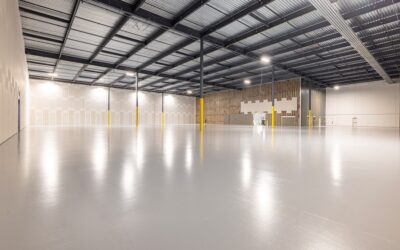
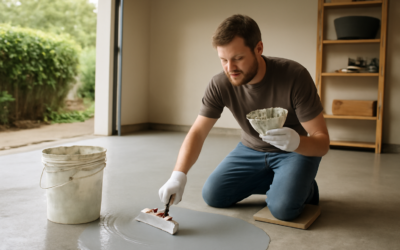
The gap between a $150 boxed kit and a $4,000 professional install confuses a lot of homeowners, and understandably so. Epoxy prices swing wildly because the word “epoxy” covers everything from a thin water-based garage paint to a heavy 100-percent-solids polyaspartic system a contractor grinds and sprays. Knowing what drives the number lets you budget accurately and avoid paying for more coating than you need, or, just as costly, underbuying and watching your floor peel. This guide breaks down real-world pricing for both DIY and professional epoxy in 2026 dollars.
Part of our Epoxy, Concrete & Garage Floors guide — explore the full guide →
The Short Answer on Cost
For a garage floor, most homeowners land between $3 and $12 per square foot installed by a pro, or roughly $0.75 to $2.50 per square foot in materials if they do it themselves. A typical two-car garage of about 450 square feet therefore costs $1,300 to $5,400 professionally installed, or $150 to $600 as a weekend DIY project. Countertop and tabletop epoxy is priced by volume and job, not by the same square-foot formula, and usually runs $80 to $250 for enough resin to pour a small counter.
DIY Kit Pricing
Boxed garage kits are the cheapest way in. Water-based two-part kits from brands like Rust-Oleum Epoxy Shield, Behr, and KILZ cover a single-car garage for around $80 to $150, and a two-car kit runs $130 to $250. These include resin, hardener, decorative flakes, and often an etch packet. Add tools you may not own: rollers, an extension pole, a stiff brush, gloves, and possibly a rented grinder.
- Single-car kit (200 to 250 sq ft): $80 to $150
- Two-car kit (400 to 500 sq ft): $130 to $250
- Tools and prep supplies: $40 to $100
- Grinder rental (optional but recommended): $80 to $150 per day
Premium high-solids DIY kits cost more, often $200 to $400 for a two-car floor, but they lay down a thicker, longer-lasting film.
Professional Installation Pricing
Hiring a contractor buys you diamond grinding, thicker coatings, and a warranty, and the price reflects that labor and material. Professional epoxy generally breaks down by system:
- Basic thin-film epoxy: $3 to $5 per square foot
- Full flake epoxy system with topcoat: $5 to $8 per square foot
- Polyaspartic or metallic epoxy: $7 to $12+ per square foot
The reason a pro polyaspartic floor commands a premium is durability. It can last 15 to 20 years and cures fast enough to install in a single day, whereas the cheapest thin-film jobs may need recoating in 3 to 5 years.
What Drives Epoxy Prices Up or Down
Several factors move your quote, and understanding them helps you negotiate.
Concrete Condition
A clean, flat, crack-free slab is cheap to coat. Cracks, spalling, pitting, and old coatings all require repair or removal first, and grinding a heavily contaminated floor adds labor. Expect $1 to $3 per square foot in extra prep for a rough slab.
Coating System
Thin water-based epoxy is the cheapest material; 100-percent-solids epoxy costs more per gallon but builds thicker; polyaspartic and metallic finishes sit at the top. Decorative flakes, quartz broadcast, and multiple clear coats each add material and labor.
Square Footage
Like most trades, epoxy gets cheaper per square foot as the job grows, because mobilization and setup are fixed costs. A small 200-square-foot floor may carry a minimum charge that makes the per-foot rate look high.
Region and Season
Labor rates vary by metro area, and demand peaks in spring and fall when temperatures are ideal for curing. Booking in the off-season can shave the quote.
DIY vs Pro: Which Saves More?
The math favors DIY on paper. Coating a two-car garage yourself might cost $250 in materials and rental versus $2,500 from a contractor, a savings of roughly $2,250. But the pro version typically lasts three to four times longer, includes proper grinding, and comes with a warranty. If you value your weekend and want a decade-plus floor, professional polyaspartic often wins on cost per year of service. If budget is tight and you enjoy the work, a careful DIY epoxy job delivers most of the look for a fraction of the price.
Sample Budgets
To make the numbers concrete, here are three realistic scenarios for a 450-square-foot two-car garage:
- Bare-bones DIY: one two-car water-based kit plus basic tools, about $200 to $300, lasting 3 to 5 years.
- Upgraded DIY: premium high-solids kit, grinder rental, and extra clear coat, about $450 to $700, lasting 5 to 8 years.
- Professional polyaspartic: full grind, flake, and topcoat, about $3,000 to $4,500, lasting 15 to 20 years.
Hidden Costs to Budget For
The headline price rarely tells the whole story, so pad your budget for the extras that catch homeowners off guard. On a DIY job, tools and consumables add up: rollers, brushes, a mixing paddle, gloves, a quality respirator, painter’s tape, and a grinder or etch can total $60 to $200 on top of the coating itself. If your slab has oil stains, cracks, or an old failing coating, budget for degreaser, crack filler, and possibly a full day of grinder rental to remove the old finish.
On a professional job, ask what the quote does and does not include. Crack and spall repair, moisture mitigation for a damp slab, moving stored items, and extra clear or topcoats are common line items that can push the total up by hundreds of dollars. Moisture mitigation in particular can add $1 to $3 per square foot if testing reveals vapor coming through the concrete, and skipping it guarantees the coating fails. A metallic or multi-color decorative finish also costs more in both material and labor than a standard single-color flake system.
Long-Term Cost of Ownership
Think in cost per year, not just upfront price. A $250 DIY floor that lasts four years costs about $63 a year, while a $3,500 professional polyaspartic floor that lasts eighteen years costs roughly $195 a year but demands zero re-dos and far less hassle. Neither is wrong; the right answer depends on how long you’ll stay in the home and how much you value your weekends.
Factor in resale and disruption, too. If you plan to sell soon, a fresh, clean epoxy floor can make a garage show far better without the cost of a premium system, so a mid-range DIY or basic professional coating often makes the most financial sense. If this is your long-term home, the durability of a polyaspartic system spreads its cost across so many years that it frequently becomes the cheaper option per year of service, while sparing you the mess and downtime of recoating a failing DIY floor every few seasons.
Getting the Best Value
Whatever route you choose, protect your investment with prep. The most expensive epoxy applied over a dirty or moist slab will fail, while a modestly priced kit installed correctly can outlast expectations. Get at least three quotes for professional work, ask exactly which coating system and how many coats are included, and confirm whether crack repair and grinding are in the price. Do that homework, and the wide range of epoxy prices becomes a menu you can shop confidently rather than a source of sticker shock.