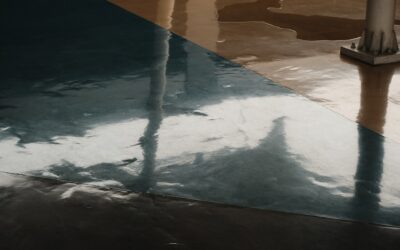
The interior epoxy flooring cost for most homeowners lands between $3 and $12 per square foot installed, which means a typical two-car garage of about 400 square feet usually runs $1,200 to $4,800. The spread is wide because “epoxy” covers everything from a thin DIY roll-on kit to a multi-layer commercial system with quartz broadcast and a polyaspartic topcoat. Knowing which system you actually need is the single biggest factor in setting a realistic budget.
Part of our Epoxy, Concrete & Garage Floors guide — explore the full guide →
Average Price Ranges by System
Epoxy is not one product, and the price reflects how many coats go down and what gets mixed in. Here are the general US market ranges installed:
- Water-based epoxy (basic): $3 to $5 per square foot. The thinnest, least durable option, good for low-traffic interior rooms.
- Solid epoxy with topcoat: $5 to $8 per square foot. A thicker build that holds up to garages and workshops.
- Metallic epoxy: $7 to $12 per square foot. A decorative system with pigments swirled for a marbled, three-dimensional look.
- Quartz or flake broadcast systems: $7 to $15 per square foot. Granules broadcast into the wet coat add slip resistance and a textured finish for commercial-grade durability.
What Drives the Cost Up or Down
Two identical-size rooms can have very different price tags. The variables that move the number most are surface preparation, the condition of the existing slab, the number of coats, and decorative add-ons.
Surface Preparation
Preparation is where professional jobs earn their price. Concrete must be ground or shot-blasted to open the pores so the epoxy bonds mechanically. A floor with old paint, sealer, oil staining, or moisture problems takes more labor to prepare, and that labor can add $1 to $3 per square foot. Skipping prep is the most common reason DIY epoxy peels within a year.
Slab Condition and Repairs
Cracks, spalling, and pitting have to be patched before coating, and severe moisture vapor transmission may require a special primer. A slab in poor shape can add several hundred dollars to a small project. A moisture test before you start is cheap insurance against a failed floor.
Coats and Thickness
A single thin coat costs less but wears faster. A primer, a build coat, a broadcast layer, and a clear topcoat cost more but can last 15 to 20 years in a residential garage. More mil thickness almost always means more money and more longevity.
DIY Versus Professional Installation
A big-box DIY epoxy kit covers a one-car garage for roughly $100 to $250 in materials. That is tempting against a professional quote of $2,000 or more. The honest tradeoff is durability and finish quality. DIY kits use thinner, water-based resin, the prep is only as good as your rented grinder and your patience, and the hot-tire pickup and peeling that plague amateur jobs are common. If you want a floor that looks great for a decade or more, professional installation with proper grinding and a polyaspartic topcoat is usually worth the difference.
Cost by Room Type
Different interior spaces carry different expectations and price points:
- Garage (400 sq ft): $1,200 to $4,800. The most common epoxy project.
- Basement (1,000 sq ft): $3,000 to $12,000, with moisture control often the deciding cost.
- Laundry or mudroom (100 sq ft): $300 to $1,200, where a decorative finish may be worth the small upcharge.
- Home gym or workshop (300 sq ft): $900 to $4,500, where a flake system adds traction and hides dust.
Polyaspartic and Hybrid Topcoats
Many high-end installations now finish with a polyaspartic or polyurea topcoat rather than straight epoxy. These coatings resist UV yellowing, cure fast enough for a one-day install, and shrug off chemicals and abrasion better than epoxy alone. They cost more, often pushing a job into the $7 to $12 per square foot range, but they extend the life of the floor significantly. If your interior space gets sun through windows or sees rolling tool chests and dropped wrenches, the upgrade pays off.
Hidden Costs to Budget For
The headline price per square foot rarely tells the whole story. Watch for these line items:
- Crack and joint repair: often quoted separately.
- Moisture mitigation primer: required on damp slabs and not cheap.
- Furniture or vehicle removal: some contractors charge to clear and reset a space.
- Old coating removal: stripping previous paint or sealer adds labor.
- Minimum job fees: small rooms may trigger a flat minimum that makes the per-foot rate look high.
How to Get an Accurate Quote
Measure the square footage yourself before calling so you can sanity-check estimates. Ask each contractor exactly how they prepare the concrete, because grinding and shot-blasting cost more than acid etching but bond far better. Confirm how many coats are included, what the topcoat is, and the total dry-film thickness in mils. Request the warranty in writing and ask whether it covers hot-tire pickup and delamination, the two failures homeowners care about most.
Cost-Saving Tips Without Cutting Corners
You can trim an epoxy budget without buying a floor that fails early. Schedule the work in shoulder seasons when contractors are slower and more willing to negotiate. Combine adjacent spaces, a garage and an attached workshop, into one job so you pay the mobilization and minimum fees once. Choose a solid color over metallic, since pigment artistry is labor-intensive. Do the demolition and clear-out yourself so the crew arrives to an empty, swept slab. Above all, never economize on surface preparation or the topcoat, because those two line items determine whether the floor lasts three years or fifteen. Saving a few hundred dollars by skipping the grind almost always costs more when the coating peels.
Is Epoxy Worth the Money?
Compared with bare concrete, epoxy turns a dusty, stain-prone slab into a sealed, wipeable surface that brightens a space and resists oil, chemicals, and abrasion. Compared with tile or polished concrete, it often costs less while delivering a seamless, easy-to-clean finish. A quality professional system spread over a 15-year lifespan frequently works out to well under a dollar per square foot per year, which is competitive with almost any hard-surface flooring.
Bottom Line on Budgeting
Plan on $3 to $5 per square foot for a basic interior floor, $5 to $8 for a durable garage-grade system, and $7 to $15 for decorative metallic or flake finishes with a premium topcoat. Add a cushion for slab repairs and moisture control, get the surface prep right, and choose the thickest system your budget allows. Do that and your interior epoxy flooring will look sharp and perform reliably for many years. At D and G Flooring we suggest getting two or three itemized quotes so you can compare preparation methods and topcoats, not just the bottom-line number.