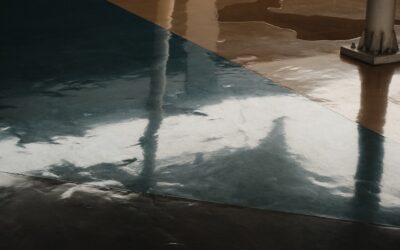
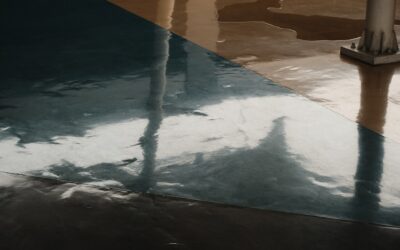
Most people picture a garage slab when they hear the word epoxy, but poured over the right wood surface it produces a mirror-glossy, ultra-tough finish that ordinary polyurethane cannot match. An epoxy wood floor coating is a two-part resin-and-hardener system that cures into a thick, seamless shell bonded to the wood, sealing out water, resisting abrasion, and delivering a high-gloss or satin look that lasts for years. It is not the right choice for every wood floor, though, and the prep is unforgiving. Here is what epoxy does well, where it falls short, and exactly how to apply it without ending up with a cloudy, peeling mess.
Part of our Epoxy, Concrete & Garage Floors guide — explore the full guide →
- What Epoxy Wood Floor Coating Actually Is
- The Advantages of an Epoxy Finish
- The Downsides You Must Weigh
- Is Your Wood Floor a Good Candidate?
- Step-by-Step: How to Apply Epoxy to a Wood Floor
- What Epoxy Wood Floor Coating Costs
- Epoxy vs. Polyurethane on Wood
- Safety Precautions During Application
- Maintenance and Longevity
What Epoxy Wood Floor Coating Actually Is
Epoxy is a thermosetting polymer created when a resin and a hardener are mixed in a precise ratio, usually 2:1 or 1:1 by volume. The chemical reaction, called curing, transforms the liquid into a rigid, glass-like solid within hours. On wood, it penetrates the surface grain and then builds a protective film that can range from a few mils thick for a sealer coat to a self-leveling pour of 1/8 inch or more.
Unlike polyurethane, which dries by solvent or water evaporation, epoxy cures through a chemical reaction, so it produces a far thicker and harder film in a single coat. That thickness is what gives epoxy its signature depth and durability, but it also makes the material less flexible than a wood floor sometimes needs.
The Advantages of an Epoxy Finish
Durability is the headline benefit. A properly applied epoxy shell shrugs off scratches, scuffs, dropped tools, and rolling loads that would gouge a standard finish. It is also fully waterproof once cured, sealing seams and grain against spills, which makes it popular for basements, workshops, and high-traffic commercial spaces with wood or plywood floors.
- High-gloss depth: a poured epoxy has a wet, glass-like look that magnifies wood grain.
- Chemical resistance: stands up to oils, solvents, and cleaners that would stain polyurethane.
- Seamless surface: no seams or joints for dirt and moisture to collect in.
- Customizable: tints, metallic pigments, and flake can be added for decorative effects.
For a live-edge table-style floor, a rustic plywood loft, or a bar area, epoxy delivers a look and toughness that few other coatings approach.
The Downsides You Must Weigh
Wood moves. It expands and contracts with humidity, and rigid epoxy does not flex with it. On a solid hardwood floor with wide seasonal movement, that mismatch can cause the epoxy to crack or delaminate over time. Epoxy performs far better over dimensionally stable substrates like plywood, engineered panels, or wood that stays in a climate-controlled space.
Application is also demanding and permanent. Epoxy yellows under UV light unless you topcoat it with a UV-stable polyurethane or aliphatic clear, so a sunny room can turn amber. It is difficult to repair invisibly, hard to remove, and unforgiving of surface contamination during application. Fumes during the pour require good ventilation and a respirator. This is a finish you commit to, not one you casually try.
Is Your Wood Floor a Good Candidate?
Before you buy a kit, assess the floor honestly. Epoxy works best over:
- Plywood or OSB subfloors being finished as the final surface
- Engineered wood that resists seasonal movement
- Solid wood in tightly climate-controlled interiors with stable humidity
- Bar tops, tabletops, and small feature floors rather than sprawling open plans
Avoid epoxy over old solid-plank floors with large seasonal gaps, floors with active moisture problems, or any surface you may want to refinish conventionally later. If the wood is likely to swing more than a couple of percentage points in moisture content across the year, epoxy is the wrong call.
Step-by-Step: How to Apply Epoxy to a Wood Floor
Success is 80 percent prep. Rush it and the coating fails. Follow this sequence:
- Repair and sand: fill gaps and cracks with wood filler, then sand the entire floor with 60 to 80 grit to open the grain and create a bonding profile.
- Clean thoroughly: vacuum, then wipe with a tack cloth or denatured alcohol. Any dust, oil, or wax ruins adhesion.
- Check moisture: confirm the wood is dry, ideally under 12 percent moisture content, using a meter.
- Mix precisely: combine resin and hardener at the exact ratio for the full time stated, usually 2 to 3 minutes, scraping the sides and bottom.
- Apply a seal coat: spread a thin first coat with a roller or squeegee to lock down the grain and prevent air bubbles from off-gassing wood.
- Pour the build coat: once the seal coat is tacky-to-firm, pour and spread the main coat, then pop bubbles with a heat gun or propane torch held briefly above the surface.
- Topcoat for UV: after full cure, apply a UV-stable clear polyurethane if the floor sees sunlight.
Work in sections, keep the room between 70 and 80°F for a proper cure, and never exceed the product’s working time. Rushing or overworking epoxy traps bubbles and leaves waves.
What Epoxy Wood Floor Coating Costs
Material costs depend on coverage and thickness. A quality two-part epoxy kit runs $50 to $150 per gallon, and a gallon typically covers 40 to 60 square feet at a self-leveling thickness or up to 200 square feet as a thin seal coat. For a 200-square-foot room with a build coat plus a UV topcoat, budget $200 to $600 in materials.
Add sandpaper, mixing tools, a roller and squeegee, and a respirator. Professional application, where available, runs $3 to $8 per square foot depending on prep and decorative effects. Compared with refinishing hardwood conventionally, epoxy costs more up front but can outlast several rounds of polyurethane in a punishing environment.
Epoxy vs. Polyurethane on Wood
Homeowners often weigh epoxy against a standard polyurethane finish, and the two serve different goals. Polyurethane is thinner, more flexible, and designed to move with the wood, which makes it the traditional choice for solid hardwood floors that expand and contract seasonally. It is easier to apply, easier to repair, and easier to recoat.
Epoxy is thicker, harder, and glossier, but rigid. It excels where you want maximum durability, waterproofing, and a deep, poured, glass-like look, and where the substrate is dimensionally stable. Think bar tops, feature floors, plywood surfaces, and industrial spaces rather than a conventional oak living-room floor. Many pros actually combine the two, using epoxy as a thick, waterproof build coat and a UV-stable polyurethane as the wearable, non-yellowing top layer. That hybrid gives you epoxy’s toughness with polyurethane’s UV stability and easier future recoating.
Safety Precautions During Application
Epoxy releases fumes as it cures, and the resin and hardener are skin and respiratory irritants before they set. Ventilate the space well, open windows and run fans, and wear a respirator rated for organic vapors, not just a dust mask. Nitrile gloves and eye protection are essential because uncured epoxy is difficult to remove from skin and can cause sensitization with repeated exposure.
Keep the work area free of open flame if you use a solvent-based product, and follow the manufacturer’s temperature and humidity guidance, since curing outside the recommended range can leave a soft, tacky, or cloudy finish. Plan your pour so you can leave the room to cure undisturbed; dust, pet hair, and insects that land in wet epoxy become permanent. A little preparation on safety and environment prevents both health issues and a ruined finish.
Maintenance and Longevity
A cured epoxy floor is easy to keep clean. Dust mop regularly, and damp mop with a pH-neutral cleaner; avoid abrasive pads that dull the gloss. Add walk-off mats at entries to catch grit, and use furniture pads to prevent point-load scratches.
With a UV topcoat and normal care, an epoxy wood floor coating can hold its finish for 5 to 10 years or more before a maintenance recoat. When it does wear, scuff-sand and apply a fresh clear coat rather than stripping the whole system. Treated right, epoxy gives a wood floor a level of toughness and gloss that no ordinary finish can rival.
Prefer to explore on your own?
See how new flooring looks in your actual room in seconds — free, no signup.
Try the free Floor Studio →