Curb appeal sells houses, and few upgrades deliver more impact per dollar than shutters. Exterior vinyl shutters have quietly become the default choice on millions of American homes because they cost a fraction of wood, never rot, and install in an afternoon. After hanging hundreds of pairs across every climate from coastal Florida to the Colorado mountains, I can tell you the difference between a sharp installation and a sloppy one comes down to sizing, color, and fastener choice. Here’s how to get all three right.
Why Homeowners Choose Vinyl
Vinyl wins on three fronts: price, durability, and maintenance. A pair of standard louvered vinyl shutters runs $30 to $80, compared with $200 to $500 for real wood. They won’t warp, crack, or feed termites, and a quick rinse with a garden hose keeps them looking fresh. Most quality shutters carry UV inhibitors molded into the material, so the color holds for 15 to 20 years before noticeable fading.
The tradeoff is that vinyl shutters are decorative, not functional. They don’t close over the window or block storms. If you want operable storm protection, you’ll need a heavier composite or aluminum product. For the vast majority of homes, though, the decorative look is exactly what’s wanted.
Common Styles and Profiles
Style sets the tone of your facade. The four most common profiles cover nearly every home:
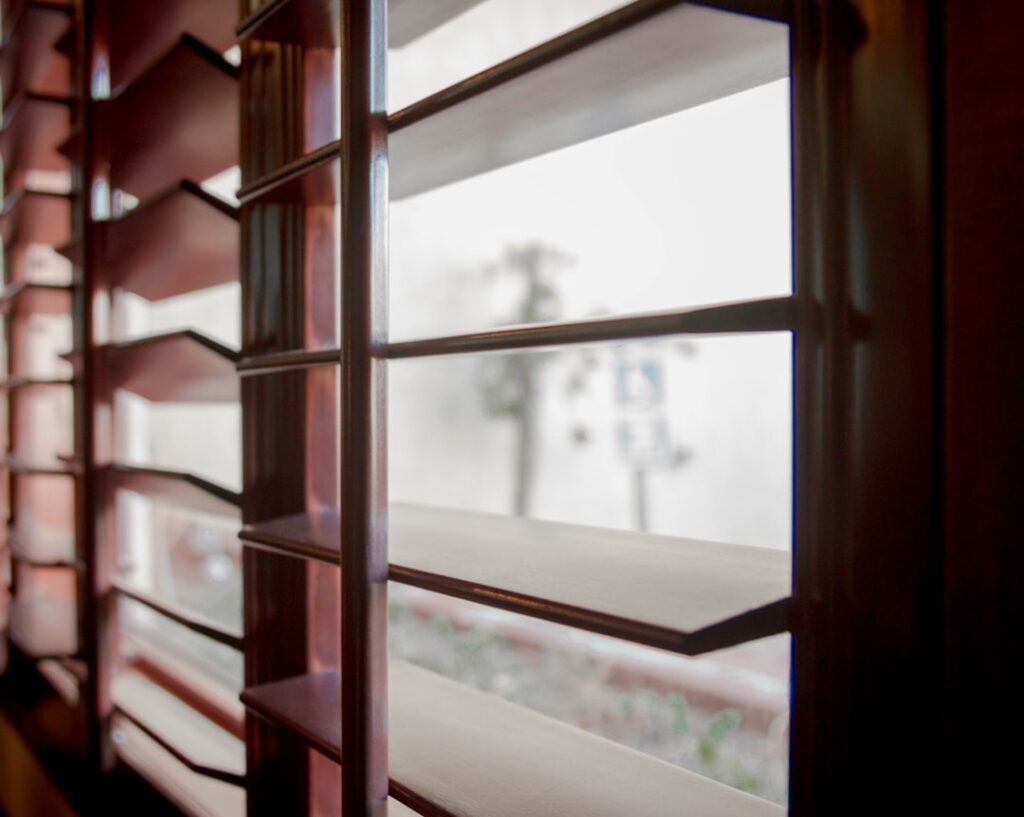
- Louvered: angled slats that suit traditional and colonial homes
- Raised panel: clean rectangular panels for a formal, classic look
- Board and batten: vertical boards with horizontal cross-pieces, ideal for farmhouse and cottage styles
- Combination: louvered top with a raised panel bottom for a custom feel
Match the style to your architecture. Colonials and Cape Cods love louvered shutters. Modern farmhouses pair beautifully with board and batten in a deep charcoal or black. Brick ranch homes often look best with a simple raised panel.
Sizing Your Shutters
Proper sizing is where most DIY jobs go wrong. The golden rule: each shutter should look like it could cover half the window if closed. Measure the window opening height and choose a shutter within an inch or two of that height. A shutter that’s too short looks like an afterthought.
For width, standard vinyl shutters come 12, 14.5, or 16 inches wide. You don’t size width to the window since these are decorative, but you do want the pair to look proportional. As a quick reference for common window heights:
- 39-inch window: 39-inch shutter
- 55-inch window: 55-inch shutter
- 63-inch window: 63-inch shutter
Manufacturers like Mid-America and Builders Edge publish exact dimensions in half-inch increments up to about 80 inches. Measure twice before ordering.
Cost and Where to Buy
Budget $30 to $80 per pair for standard sizes, plus $5 to $15 for a mounting hardware kit per pair. A typical four-window front elevation costs $150 to $400 in materials. Big-box stores like Home Depot and Lowe’s stock common sizes and colors, while online retailers carry the full range of custom heights and premium colors such as Tuxedo Gray or Wineberry.
If you hire out the labor, expect $50 to $100 per pair installed. Most installers can finish a whole house in half a day, so the total labor often lands under $400.
How to Install Vinyl Shutters
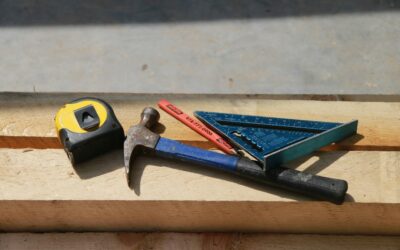
Installation is genuinely DIY-friendly. You’ll need a drill, a level, a tape measure, and the right fasteners for your siding. The basic process:
- Hold the shutter against the window casing and mark the top and bottom fastener locations
- Pre-drill holes through the shutter and into the wall, sizing the hole for your fastener type
- For vinyl or wood siding, use shutter spikes or panel-loc fasteners; for brick or stucco, use masonry anchors
- Drive the fasteners until snug but not over-tightened, which can warp the shutter
- Cap each fastener with the color-matched plug
One pro tip: leave a small gap behind the shutter so water can drain and air can circulate. Pressing it flush against the siding traps moisture and grime.
Maintenance and Longevity
This is the easiest part. Once or twice a year, spray the shutters with a garden hose to clear pollen and dirt. For stubborn grime or mildew in humid regions, mix a gallon of water with a half cup of dish soap and a splash of bleach, then scrub gently with a soft brush. Avoid pressure washers on a tight setting, since the force can crack older vinyl.
Quality exterior vinyl shutters last 20 years or more in moderate climates. Intense southern sun shortens that lifespan, so homeowners in Arizona or Texas should choose products with strong UV ratings and consider lighter colors that hide fading. If a panel does crack from a storm or a stray baseball, you replace just that one shutter rather than the whole set.
Choosing the Right Color
Color makes or breaks the look. The safest approach is to coordinate the shutters with your front door and trim rather than matching your siding exactly, which creates contrast and definition. Classic black shutters work on nearly every home and read as timeless. Deep charcoal, hunter green, and a soft colonial blue are perennial favorites that complement white and light-gray siding beautifully.
If your home has brick, pull a tone from the brick itself for a cohesive look, or go bold with black for crisp contrast. Avoid trying to match a bright accent perfectly, since vinyl colors are limited and an imperfect match looks worse than an intentional contrast. Order a single pair first if you’re unsure, hang it, and live with it for a day before committing to the whole house. Lighting changes how the color reads from morning to evening.
A few avoidable installation errors also separate a sharp job from an amateur one. The most frequent is mounting shutters too small for the window, which looks like an afterthought. The second is over-tightening the fasteners, which dimples and warps the panel over time. The third is pressing the shutter flat against textured siding, which traps water and grime and accelerates fading. Leave a small drainage gap, size the shutter to the window height, and snug the fasteners without crushing the vinyl.
Are They Right for Your Home?
If you want a low-cost, low-effort facelift that survives decades of weather, exterior vinyl shutters are hard to beat. They suit almost every traditional architectural style, install in a single afternoon, and cost less than a single weekend of professional landscaping. Just commit to proper sizing and a color that complements your trim, and you’ll add real curb appeal that lasts.
Prefer to explore on your own?
See how new flooring looks in your actual room in seconds — free, no signup.
Try the free Floor Studio →