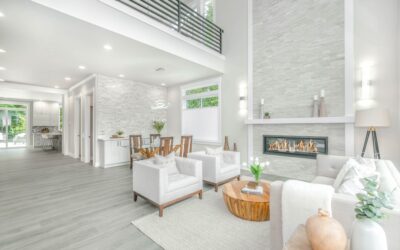
Few spaces feel as inviting as a farmhouse vaulted ceiling kitchen, where soaring rooflines, weathered wood beams, and abundant natural light combine into a room that’s both rustic and airy. The vault adds dramatic vertical volume that ordinary flat ceilings can’t match, and the farmhouse style softens that scale with warm, lived-in materials. Done well, it becomes the heart of the home; done carelessly, the height can feel cold and cavernous. The details below are what tip it toward warm.
Part of our Kitchen Remodeling guide — explore the full guide →
Why Vaulted Ceilings Suit Farmhouse Kitchens
The classic American farmhouse grew from practical barn and homestead architecture, where steep roofs shed snow and tall spaces vented summer heat. A vaulted kitchen ceiling echoes that heritage honestly. Raising the ceiling to follow the roof pitch opens sightlines, makes a modest footprint feel generous, and creates room for statement lighting and tall windows that flood the space with daylight.
Exposed Beams Are the Signature Element
Nothing defines this style like exposed beams running across or along the vault. You have two practical routes. Structural timber beams are the real thing — solid wood that carries load and shows authentic grain, knots, and saw marks. Faux box beams, built from three boards assembled into a hollow U and lifted into place, deliver the same look at a fraction of the weight and cost while letting you hide wiring inside.
For a true farmhouse feel, choose reclaimed barn wood or distressed Douglas fir in a warm brown or weathered gray. Space beams 24 to 48 inches apart for a tongue-and-groove plank ceiling, or use larger trusses with collar ties for a more architectural statement. Keep the wood tone in conversation with your cabinets and flooring so the room reads cohesive rather than busy.
Maximizing Natural Light
Height is wasted if the room stays dim, so light is half the design. Tall windows that climb into the gable, transom windows above standard sash, or even skylights set into the vault pull daylight deep into the kitchen. A row of clerestory windows near the ridge brings in light while preserving wall space for cabinets below.
If you have a gable end, a large picture window or a stacked window arrangement makes the vault the focal point. Pair generous glazing with a light wall color and you avoid the heavy, shadowed look that sometimes plagues beamed ceilings.
Lighting the Vertical Space
Standard recessed cans alone leave a vaulted kitchen feeling flat. Layer your lighting instead. Oversized pendants or a wrought-iron chandelier hung from the ridge fill the vertical volume and anchor the room. Add task lighting under cabinets and over the island, and tuck recessed fixtures into the slope of the vault aimed at work zones. Sloped-ceiling-rated recessed housings exist specifically for angled installation, so use those rather than forcing flat-ceiling cans.
Finishes That Read Farmhouse
The materials below the beams carry the rest of the theme:
- Shaker cabinets in white, sage green, or soft navy with matte hardware.
- Apron-front farmhouse sink in fireclay or cast iron.
- Butcher block or honed stone counters for warmth and texture.
- Subway or handmade zellige tile backsplash that climbs toward the open ceiling.
- Wide-plank wood or wood-look flooring to ground the airy space.
Painting the ceiling planks white while leaving the beams natural is a popular move — it brightens the room and lets the wood beams stand out as graphic lines against the pale field.
Color Palettes That Work
Farmhouse vaulted kitchens lean on warm, restful palettes that let the architecture breathe. White or creamy off-white walls and ceiling planks brighten the tall space and keep it from feeling heavy. Soft greens, muted blues, and warm grays on lower cabinets or an island add gentle color without overwhelming the room. The exposed beams supply the dominant wood tone, so echo it sparingly elsewhere — in open shelving, a range hood mantel, or bar stools — rather than coating every surface in wood. A two-tone cabinet scheme, with painted uppers and a contrasting island, is a reliable way to add depth while keeping the airy farmhouse feel.
Making the Most of the Height
That vertical volume is the whole point, so design to celebrate it. A tall range hood that rises toward the ceiling draws the eye upward and becomes a focal point. Open shelving or a stacked upper cabinet run takes advantage of wall height for display and storage. A statement light fixture hung well into the vault fills the space that would otherwise read as empty. Even a simple gallery of framed art climbing the gable wall keeps the tall plane from feeling blank. The goal is to use the height intentionally rather than leaving a void above eye level.
Common Design Mistakes to Avoid
A few missteps undercut the look. Hanging pendants or a chandelier too high leaves the lower room dim and the fixture stranded — size and position lighting for the volume. Choosing tiny artwork or undersized fixtures makes the scale feel off, since a vaulted room needs bolder elements to balance it. Mixing too many wood tones between beams, cabinets, and floors creates visual noise; pick a cohesive range instead. And forgetting about acoustics is common — hard surfaces and high ceilings echo, so rugs, upholstered seating, and textiles help soften the sound.
Practical Considerations Before You Build
A vaulted ceiling changes more than aesthetics. Removing ceiling joists to open the roof usually requires engineered support like a structural ridge beam or collar ties, so this is rarely a casual DIY project — bring in a structural engineer or architect. Heating and cooling also shift, since warm air rises into the peak; a ceiling fan, or an HVAC plan that accounts for the extra volume, keeps the kitchen comfortable. Reaching high windows and fixtures for cleaning and bulb changes is worth planning for too, ideally with accessible or remote-controlled hardware.
A farmhouse vaulted ceiling kitchen blends architectural drama with genuine warmth, but the magic lives in the details: honest wood beams, layered light, tall windows, and finishes that feel collected over time. Get the structure handled by a professional, then lean into texture and natural light, and you’ll have a kitchen that feels both grand and welcoming every time you walk in.