A kitchen or bathroom remodel can hide a lot of budget sins, but a cheap fixture announces itself every single day. Choosing the right faucet comes down to four decisions: where it mounts, what valve is inside it, which finish will survive your household, and which features you will actually use. Get those four right and a $180 fixture can outlast a $600 one. This guide walks through each decision the way a plumber would, with real prices and the brand names worth trusting.
Kitchen Faucet Types
Pull-down models dominate the kitchen market for good reason. The spray head docks into a tall gooseneck spout, pulls straight down into the sink, and handles 90 percent of daily rinsing tasks. Expect to pay $120 to $400 for a quality single-handle pull-down. Pull-out faucets use a shorter spout with a head that pulls toward you — better for shallow sinks and low windowsills, and easier to fill pots sitting on the counter beside the sink.
Beyond those two, you will see bridge faucets (traditional two-handle designs with an exposed crossbar, usually $300 to $700), commercial-style spring-coil faucets for serious cooks, and pot fillers that mount on the wall above the range. Touchless and touch-activated models from Moen, Delta, and Kohler add $100 to $250 to the price of the equivalent manual version and run on AA batteries or an AC adapter.
Bathroom Faucet Configurations
Bathroom sink faucets are defined by hole spacing, so measure your sink or vanity top before shopping. A centerset faucet fits three holes spaced 4 inches apart and typically costs $50 to $150. Widespread faucets use three separate pieces across 8 to 16 inches and run $150 to $500. Single-hole models mount through one opening and suit vessel sinks and modern vanities — vessel versions have taller spouts, usually 10 to 12 inches, to clear the bowl rim.
Tub and shower fixtures are a different category entirely, built around an in-wall valve rather than a deck-mounted body. If you are working on a tub filler specifically, the sizing and rough-in rules change quite a bit, and shower systems from brands like Delta use universal valves that let you swap trim styles later without opening the wall.
What Is Inside: Valve Types Ranked
The valve is the part that actually controls water, and it determines how long the faucet lasts before it drips. There are four designs on the market:
- Ceramic disc — two polished ceramic plates shear across each other. Rated for 500,000+ cycles, nearly maintenance-free, and standard in better fixtures. This is what you want.
- Cartridge — a replaceable plastic-and-brass insert. Reliable and cheap to service; Moen built its reputation on the 1225 cartridge, which swaps out in 15 minutes.
- Ball valve — the old Delta single-handle design with a slotted ball, springs, and seats. Serviceable but more parts to wear out.
- Compression — a rubber washer squeezed against a seat. Found in budget two-handle faucets and outdoor spigots. It will drip eventually; that is just physics.
Finishes: Durability Before Looks
Finish failures generate more warranty claims than valve failures, so understand how each is made. Physical vapor deposition (PVD) finishes are molecularly bonded and essentially scratch-proof — look for terms like Delta Brilliance or Moen Spot Resist. Electroplated chrome is also very durable and remains the cheapest finish. Painted or powder-coated finishes, common on budget matte black and some bronze fixtures, can chip and cannot be repaired.
Practical rankings for real households: chrome and brushed nickel hide water spots and fingerprints best and match the widest range of hardware. Polished nickel and unlacquered brass look spectacular but show every drop. Matte black is striking, though hard water minerals show as white film and abrasive cleaners will dull cheaper versions. Whatever you choose, buy the matching drain and towel hardware at the same time — finishes vary noticeably between manufacturers, and even “brushed nickel” from two brands rarely matches.
Features Worth Paying For
Some upgrades earn their cost daily; others are showroom bait. Worth it: a magnetic docking spray head (Delta MagnaTite, Moen Power Boost docking) because gravity-dock heads sag within two years; ceramic disc valves; supply lines and mounting hardware included in the box; and a spray head with a pause button for kitchen use. Situationally worth it: touchless activation, which is genuinely useful when your hands are covered in raw chicken but adds batteries and electronics that can fail. Usually skip: built-in soap dispensers (they clog), colored LED temperature lights, and voice activation.
Check flow rate before buying. Kitchen faucets are federally capped at 2.2 gallons per minute; bathroom faucets at 1.5 GPM in WaterSense versions, which most states now encourage or require. California caps kitchen fixtures at 1.8 GPM.
Brands and What They Cost
Four manufacturers cover most of the US market, and all four back their fixtures with limited lifetime warranties on parts and finish for the original homeowner. Moen ($90 to $500) is the service-friendly choice — replacement cartridges are stocked at every hardware store in America. Delta ($80 to $600) leads on sealing technology with its Diamond Seal valve and offers the widest trim selection for showers. Kohler ($100 to $800) skews design-forward with excellent ceramic valves. Pfister ($60 to $300) is the value play and punches above its price.
Kraus and Vigo sell well online with strong commercial-style kitchen designs in the $150 to $350 range. Be cautious with unbranded $40 faucets from marketplace sellers: the finish is thin, replacement parts do not exist, and some imported fixtures have failed lead-content testing. A faucet touches your drinking water — buy one certified to NSF/ANSI 61.
Sizing and Fit Checks Before You Buy
Nothing sours a faucet purchase faster than getting it home and finding it does not fit. Run through this list first:
- Count your holes. Look under the sink deck. One to four holes; a deck plate (escutcheon) lets a single-handle faucet cover three holes.
- Measure spout reach. The spout should land near the center of the bowl — about 8 to 10 inches of reach for most kitchen sinks.
- Check spout height against obstructions. Gooseneck kitchen faucets run 15 to 18 inches tall and will not fit under low cabinets or shelves over the sink.
- Confirm supply connections. Modern faucets use 3/8-inch compression fittings; older homes may have 1/2-inch supplies that need adapter lines.
Five Buying Mistakes to Avoid
The same handful of errors account for most faucet returns and regrets. First, buying the faucet before the sink: spout reach, hole count, and mounting depth all depend on the basin, so the sink decision always comes first. Second, ignoring maximum deck thickness — thick quartz counters and farmhouse sink ledges exceed the shank length on some models, and the spec sheet lists the limit for a reason. Third, trusting product photos on finish: order the fixture from a retailer with free returns and check the tone against your hardware in your own lighting, because bronze in particular spans everything from chocolate to near-black across brands.
Fourth, treating the warranty as boilerplate. A “limited lifetime” warranty from a major brand includes free replacement cartridges and spray heads for as long as you own the home, which effectively caps your lifetime repair costs at zero parts dollars; a one-year warranty on an import means the faucet is disposable. Fifth, forgetting the accessories at checkout — the matching soap dispenser, sink hole cover, or side spray in the same finish is cheap to add now and surprisingly annoying to match three years later once finishes shift or discontinue.
Repair or Replace?
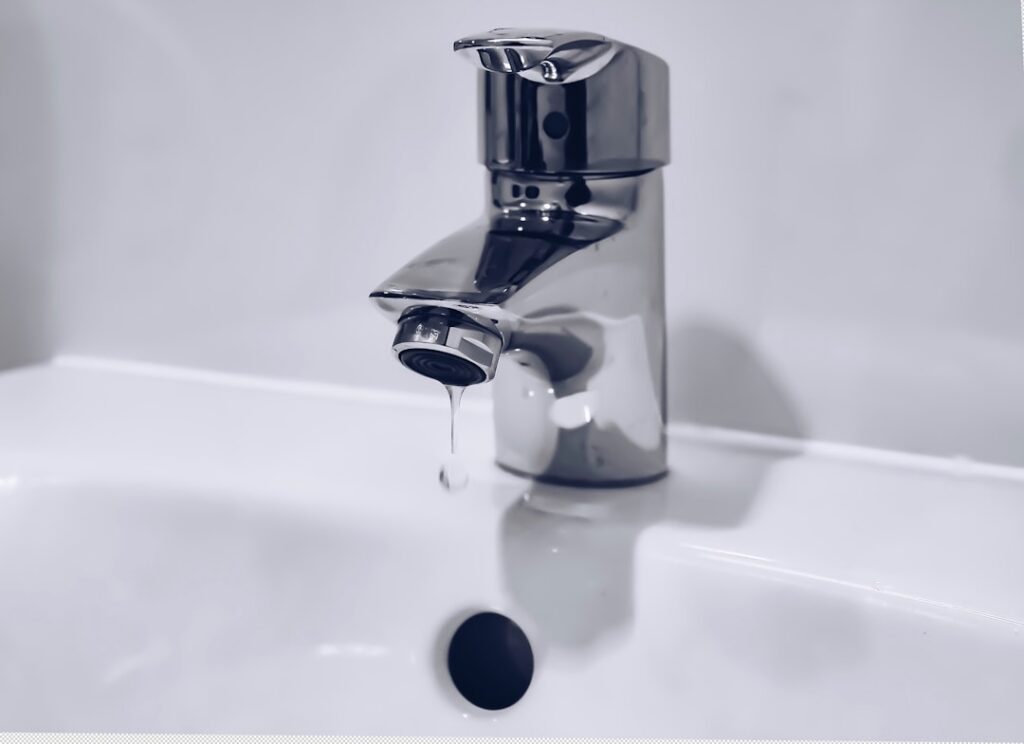
A dripping faucet from a major brand is almost always worth fixing — a $15 to $40 cartridge and half an hour beat a full replacement, and brand warranties often cover the part for free. Replace instead when the finish is flaking, the body is corroded at the base, parts are unavailable for an off-brand unit, or you are already replacing the sink. Installation is a manageable DIY job with a basin wrench and an hour of patience; a plumber charges $150 to $350 for the same swap. Spend your money on the fixture, not the labor, and pick the faucet with the boring, proven valve inside. That is the one still working quietly in 20 years.