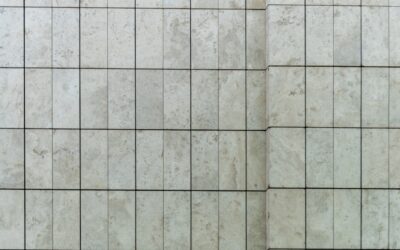
Walk a 2026 model home and the bathroom floors look like 12×24 porcelain. Get closer and roughly half of them are not tile at all — they are LVP or laminate printed and embossed to mimic stone, terrazzo, or cement tile. Faux tile flooring has become the dominant choice for homeowners who want the design language of ceramic without the grout maintenance, the cold underfoot, and the $12 to $18 per square foot installed price tag. Done right, it photographs identical to real tile and outlives the carpet it replaced.
Part of our Tile & Grout guide — explore the full guide →
- The Three Categories Worth Knowing
- Why Faux Tile Beats Real Ceramic in Most Rooms
- When Real Tile Still Wins
- Reading the Spec Sheet Like a Pro
- Realistic Pricing by Format
- Install Method Decides Long-Term Performance
- Patterns and Layouts That Read as Authentic
- Maintenance Saved vs. Real Tile
- Buying Considerations Before You Commit
The Three Categories Worth Knowing
Faux tile splits into three product families, and the differences matter for both price and longevity.
Luxury vinyl tile (LVT) and SPC tile-look planks dominate the mid-market. Mohawk SolidTech, Shaw Floorte, COREtec Stone, and Karndean Knight Tile produce 12×24, 18×18, and 24×24 formats with 12-mil to 22-mil wear layers. Installed pricing runs $4.50 to $9 per square foot. Laminate tile (Pergo TimberCraft Tile, Mannington Restoration Tile) costs $3.50 to $6 installed but does not handle wet bathrooms well. Sheet vinyl with tile patterns from Armstrong and Tarkett bottoms out at $1.50 to $3 per square foot installed and remains the cheapest option for laundry rooms and rentals.
Why Faux Tile Beats Real Ceramic in Most Rooms
Real porcelain over a 250 sq ft kitchen is a 3- to 5-day job: demo, slab prep, thinset, tile, then grout 24 hours later, then sealer 48 hours after that. The same kitchen in faux tile LVP installs in a single day, often over the existing subfloor with a 1.5mm IXPE pad.
Faux tile is warmer underfoot by about 8 to 12 degrees, which matters in basements and over slab construction. It does not crack when a cast-iron pan drops. It does not need re-grouting every three to five years. And the COF (coefficient of friction) on most tile-look LVP runs 0.55 to 0.65 wet, which actually beats most polished porcelain.
When Real Tile Still Wins
There are rooms where faux falls short. Showers, steam rooms, and pool decks need real ceramic or stone — vinyl seams cannot tolerate constant standing water and direct UV. Anywhere you plan to install radiant heat above 85°F surface temperature also rules out most LVP, which warps at 140°F sustained.
Heavy commercial traffic favors porcelain too. A bakery, a salon, or a vet clinic will wear through a 20-mil wear layer in five to seven years; quality porcelain shrugs off the same abuse for decades.
Reading the Spec Sheet Like a Pro
Three numbers determine whether the faux tile flooring on your shortlist will look good in year 10:
- Wear layer: 12 mil for light residential, 20 mil for families with pets, 22 mil for short-term rentals
- Core type: SPC (rigid, dent-resistant, cold underfoot) vs. WPC (softer, warmer, slightly less impact-resistant)
- Embossed-in-register (EIR): the texture lines up with the printed grout lines, the single biggest tell between cheap and convincing
Skip anything without EIR if budget allows. The $0.60/sq ft upcharge is the difference between “obviously vinyl” and “guests have to bend down to tell.”
Realistic Pricing by Format
Pricing in 2026 settled into clear tiers. Builder-grade 12×24 tile-look LVP with a 12-mil wear layer sells at Lowe’s and Home Depot for $1.99 to $2.79 per square foot, installed at $4.50 to $5.50. Designer-tier products like COREtec Stone Plus, Karndean Korlok, and Mannington Adura Max Apex run $4.50 to $6.50 material, $7 to $9 installed. The premium glue-down LVT used in commercial settings — Amtico, Karndean Da Vinci — hits $7 to $11 material plus $4 to $6 installation.
Sheet vinyl tile patterns from Tarkett FiberFloor and Armstrong CushionStep remain unbeatable on price at $1.99 to $3.49 installed, but expect 7- to 12-year life rather than the 20-year claims on LVP.
Install Method Decides Long-Term Performance
Click-lock floating installs run fast and let homeowners DIY — average bathroom takes a careful weekend. The downside is that any subfloor imperfection over 3/16 inch over 10 feet will telegraph through as flex or click sounds. Glue-down LVT is the contractor preference for kitchens, entries, and rooms over 800 sq ft. It eliminates the flex, allows expansion joints to be minimal, and looks more like real tile because the planks sit perfectly flush.
For bathrooms with a toilet flange, glue-down is the smarter call. Click-lock requires removing the toilet and cutting precise notches; glue-down lets you scribe and seal with 100% silicone.
Patterns and Layouts That Read as Authentic
Three layouts photograph as real tile regardless of product tier: 12×24 brick offset at 50%, 18×18 straight set with 1/16-inch micro-grout, and 24×24 with diagonal layout in entryways. Avoid herringbone in tile-look LVP unless the manufacturer specifically offers it as a pre-cut option — DIY herringbone with rectangular planks rarely lines up convincingly.
Grout-line color matters more than most realize. A medium gray grout line on a white tile-look plank reads as travertine or limestone. The same plank with a black grout line reads as modern porcelain. Mohawk and Shaw both offer the same pattern with two or three grout-line color options.
Maintenance Saved vs. Real Tile
Real grout needs sealing annually, deep cleaning every six months, and re-grouting at year five or six. Faux tile flooring needs none of that. A microfiber dust mop daily and a damp mop with pH-neutral cleaner (Bona, Bruce Hardwood and Laminate Cleaner) once a week is the entire program. No sealer, no steam mop, no oxygen bleach in the grout lines. Over a 15-year ownership window, that saves 30 to 50 hours of weekend maintenance and roughly $400 to $700 in grout sealer and cleaning supplies.
Buying Considerations Before You Commit
Order samples before buying, and view them at multiple times of day under both natural and artificial light. Light LVT can read warmer at sunset and cooler at noon, and the difference is significant in open-concept layouts with large windows. Always order 8% to 12% extra material for waste, future repairs, and to keep planks from the same dye lot in storage.
Check warranty terms carefully — most “lifetime” residential warranties prorate after years 5 to 7 and exclude scratches, pet stains, and any install over a non-spec subfloor. Save the original receipt, the lot number from a leftover box, and photos of the install for warranty claims. The differences between brand tiers are real but only meaningful in rooms where they matter — kitchens, entries, and high-traffic living rooms.
Prefer to explore on your own?
See how new flooring looks in your actual room in seconds — free, no signup.
Try the free Floor Studio →