Homeowners keep asking for the warmth of hardwood in the exact rooms where hardwood fails, and that demand is why faux wood tile has become one of the fastest-growing flooring categories. This is porcelain or ceramic plank tile printed and textured to look like real wood, and today’s best versions are so convincing that people crouch down and touch the floor before they believe it. It brings the look you love to bathrooms, basements, and mudrooms where a real plank would swell and rot.
How Faux Wood Tile Gets So Realistic
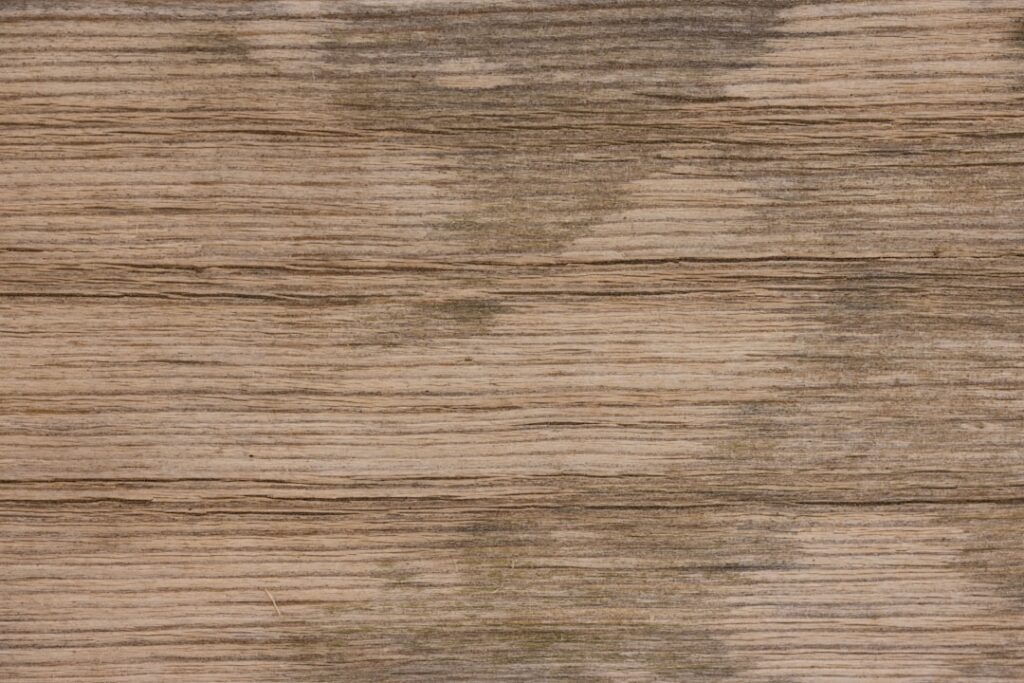
Two technologies did the heavy lifting. The first is high-definition inkjet printing, which scans real wood boards and reproduces the grain, knots, color streaks, and subtle tone shifts across many different plank faces. Good tile lines offer a dozen or more unique faces so the pattern does not obviously repeat down a hallway.
The second is embossed-in-register texture, known as EIR. Here the surface texture is pressed to line up exactly with the printed grain, so where you see a groove in the wood image, you actually feel a groove in the tile. Run your hand across a quality EIR plank and it feels like brushed wood, not smooth ceramic. Together, inkjet realism and registered texture are what sell the illusion.
Where Faux Wood Tile Beats Real Wood
The entire appeal is performance in places real wood cannot survive. Because porcelain is fired clay, it is waterproof, dimensionally stable, and immune to the swelling and cupping that destroy hardwood in damp rooms.
- Bathrooms: shrugs off standing water, steam, and humidity that would ruin a wood plank
- Basements: handles moisture from concrete slabs and the occasional flood without warping
- Kitchens and mudrooms: resists spills, pet accidents, and muddy boots
- Sunrooms and entryways: will not fade in strong sun or dent from grit the way soft wood does
It is also far tougher underfoot. Porcelain resists scratches from pet claws and furniture, does not need refinishing, and cleans up with a damp mop. In a busy household, that durability is often worth more than the authenticity of real wood.
Choosing the Right Look
Plank size and finish drive the realism. Longer, wider planks, such as 8 by 48 inches, look more like modern wide-plank flooring, while narrower boards read traditional. A matte finish is almost always more convincing than a glossy one, since real wood floors rarely shine like glass.
Pay attention to color and variation. Weathered gray and greige tones lean contemporary and coastal; warm oak and hickory feel classic; rich walnut and espresso add drama. Order tiles with high face variation so your floor looks like natural lumber rather than a copy-paste pattern.
Grout Line Color Is Everything
Here is the single detail that separates a floor that passes for wood from one that shouts “tile.” Real wood planks butt together with almost no visible seam, so wide, contrasting grout lines instantly give faux wood tile away.
To sell the wood look, do two things. First, use the narrowest grout joint the tile allows, often a sixteenth to an eighth of an inch, and choose a rectified tile with crisp edges that supports tight joints. Second, match the grout color as closely as possible to the tile’s dominant tone. A brown-matched grout on a walnut plank nearly disappears; a bright white grout would frame every tile and ruin the effect.
Installation Notes
Faux wood planks install like other porcelain tile, but the long, narrow format adds a challenge. These planks often have a slight bow along their length, so setting them with a traditional 50 percent offset can create noticeable lippage at the high point of each neighbor. Most manufacturers now recommend a one-third offset or less to keep the surface plane even.
- Use a large-format or medium-bed mortar to fully support long planks and prevent hollow spots
- Back-butter each plank for full coverage, especially in wet areas
- Use tile leveling clips to fight lippage across the long edges
- Dry-lay a few rows first to plan color distribution and end cuts
Comfort and Cost Considerations
Be honest about the tradeoffs. Porcelain is harder and colder underfoot than wood, though pairing it with in-floor radiant heat solves the cold completely and is one of tile’s best features. Cost-wise, faux wood tile material runs roughly $3 to $8 per square foot, competitive with mid-range hardwood, though tile installation labor can be higher because of the cutting and leveling involved.
Faux Wood Tile vs. Luxury Vinyl Plank
The most common cross-shopping question is how faux wood tile stacks up against luxury vinyl plank, since both chase the wood look. They are genuinely different materials with different strengths, and the right pick depends on your priorities.
- Durability: porcelain tile is harder and more scratch- and scald-resistant than vinyl, and it will not fade or dent as easily
- Water resistance: both handle water, but porcelain is fully waterproof and immune to the swelling that can affect lower-end vinyl cores
- Comfort: vinyl is warmer, softer, and quieter underfoot, while tile is hard and cold without radiant heat
- Installation: vinyl often clicks together as a floating floor a DIYer can install; tile requires mortar, grout, and more skill
- Longevity: quality porcelain can last decades, outliving most vinyl planks
If you want maximum durability and a truly permanent floor in a wet or high-traffic space, faux wood tile wins. If you prioritize comfort underfoot, easier installation, and a warmer feel, vinyl may suit you better.
Maintenance and Longevity
One of the quiet joys of faux wood tile is how little it asks of you. Unlike real hardwood, it never needs refinishing, resealing, or special wood cleaners. Routine care is simply sweeping or vacuuming to keep grit from dulling the surface, followed by damp mopping with a neutral tile cleaner as needed.
The grout lines are the only part that needs occasional attention, since grout can stain over the years. Sealing the grout after installation and refreshing that seal periodically keeps it looking clean, especially in a busy kitchen or entry. Do that, and a faux wood tile floor can look nearly new after a decade of hard use, long after a comparable wood or vinyl floor would show its age.
The Bottom Line
For anyone who wants wood’s warmth without its weaknesses, faux wood tile is a genuinely smart choice. Modern inkjet printing and registered texture make it remarkably convincing, and it thrives in the wet, heavy-traffic rooms that destroy real hardwood. Choose a matte, high-variation plank, keep grout lines tight and color-matched, and mind the offset during install. Do that, and you get a floor that looks like wood and performs like stone.
Prefer to explore on your own?
See how new flooring looks in your actual room in seconds — free, no signup.
Try the free Floor Studio →