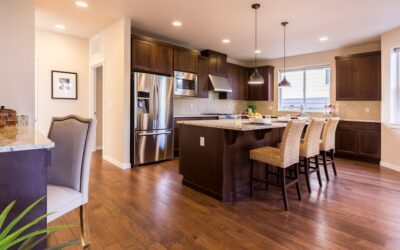
Hard floors, bare walls, and high ceilings look great in photos, but they can turn a room into an echo chamber. Felt acoustic panels are one of the simplest ways to fix that. Made most often from recycled PET (polyester) fibers pressed into dense sheets, they absorb reflected sound, cut down on echo, and double as a design element in colors and shapes you can actually live with. They will not soundproof a room, but used in the right amount and in the right places, they make a noticeable difference in how a space sounds.
What Are Felt Acoustic Panels?
Felt acoustic panels are rigid or semi-rigid sheets of compressed fiber. The most common material is PET felt, made from polyester fibers, often with a high percentage of recycled plastic bottles. Wool felt panels are also available and have a softer, natural look, though they typically cost more.
The fibers create millions of small air pockets. When sound waves hit the panel, some of their energy passes into the material and is converted into a tiny amount of heat as the air moves through the fibers. Less energy bounces back into the room, which reduces echo and reverberation.
Common formats include:
- Flat panels in squares, rectangles, and hexagons, typically 9 mm to 24 mm thick.
- Grooved or slatted panels that add texture and visual depth.
- 3D tiles with folded or faceted shapes.
- Ceiling baffles and clouds that hang below the ceiling.
- Felt-backed wood slat panels, where wood slats sit over a felt backing.
Absorption vs. Soundproofing
This is the most common misunderstanding. Felt panels improve room acoustics, meaning how sound behaves inside the room. They do very little to stop sound traveling through walls, floors, or ceilings to neighboring rooms.
Blocking sound transmission requires mass, decoupling, and airtightness: things like extra layers of drywall, resilient channels, sealed gaps, and solid-core doors. A thin panel on the wall will not stop a neighbor from hearing your TV. It will, however, make conversations clearer, reduce the hollow sound of a hard-surfaced room, and make video calls sound better.
Understanding Thickness and NRC
Acoustic products are often rated by NRC (Noise Reduction Coefficient), a single number from 0 to 1 that averages absorption across speech frequencies. An NRC of 0.20 absorbs little; 0.80 or higher absorbs most of the mid-range sound that hits it.
For felt panels, thickness and mounting make the biggest difference:
- Thin panels (around 9 mm to 12 mm) mounted flat to a wall typically have modest NRC values. They help with high-frequency sounds like clattering dishes and sharp voices.
- Thicker panels (around 20 mm to 24 mm) absorb more and reach further into the mid frequencies.
- Air gaps behind a panel improve absorption, especially at lower frequencies. Mounting a panel an inch or two off the wall, or hanging it as a baffle, can significantly increase performance.
Manufacturers test products in a lab using standardized methods, and the results vary depending on mounting type. Compare NRC values for the same mounting method when shopping. If a product lists no test data at all, treat it as mostly decorative.
Felt panels do very little for low-frequency bass from subwoofers or home theaters. Deep bass requires thick, dense absorbers or bass traps, typically in room corners.
Where to Place Felt Panels
Placement matters more than quantity. A few well-placed panels can do more than a wall full of randomly placed ones.
Living Rooms and Open-Plan Spaces
Hard floors like hardwood, tile, and luxury vinyl reflect sound strongly. Combine felt panels on walls with a large area rug on the floor. Place panels at seated ear height on walls that face each other, which breaks up flutter echo, the ringing sound between parallel hard surfaces.
Home Offices
For video calls, put panels on the wall behind your screen and on the wall behind you. Side walls at the first reflection points (where sound from your voice bounces toward the microphone) are the next priority.
Kitchens and Dining Areas
Ceiling clouds or baffles over a dining table reduce clatter and chatter without taking wall space. Keep felt away from direct cooking splatter and heat sources.
Bedrooms and Nurseries
Soft furnishings already absorb some sound, so a few panels behind the bed or on a large bare wall is usually enough. Felt also doubles as a pinboard in children’s rooms.
Home Theaters and Music Rooms
Use thicker felt or combine felt with deeper absorbers. Treat first reflection points on side walls and the ceiling, and add bass traps in corners.
A common starting point is to cover roughly 15 to 30 percent of wall area in a lively room. Clap your hands and listen: if the sound rings on, add panels; if the room sounds dead or muffled, you have gone too far.
Installation Methods
Felt panels are light, which makes installation easy. Choose a method based on how permanent you want the result to be and what surface you are mounting to.
- Adhesive strips or pads: Quick and renter-friendly on smooth painted drywall, but removal may pull paint. Test on a small area first.
- Construction adhesive: Permanent and strong. Use sparingly with a product compatible with polyester felt; some solvents can damage it.
- Impaling clips or Z-clips: Mechanical fasteners that hold panels firmly and allow removal later. Z-clips can create a small air gap for better absorption.
- Standoff mounting: Mount panels on small spacers or battens to create an air gap. This boosts low-frequency performance.
- Hanging cables: Used for ceiling clouds and baffles. Anchor into ceiling joists or use rated ceiling anchors.
- Nails or pins: Simple for lightweight panels, and useful on wood or cork backgrounds.
Use a sharp utility knife and a metal straightedge to trim PET felt. Make several light passes rather than forcing one deep cut. Plan patterns on paper first, or lay panels out on the floor before mounting. A laser level keeps rows straight across a large wall.
Fire Safety and Material Considerations
Any product added to walls and ceilings affects fire behavior in a room. Look for felt panels that list a flame spread rating tested under ASTM E84, often expressed as Class A, B, or C. Class A materials have the lowest flame spread. Many PET felt products are rated Class A, but always check the product’s documentation.
Additional considerations:
- Keep felt away from stoves, fireplaces, heaters, and light fixtures that get hot.
- Do not cover smoke alarms, sprinklers, vents, or electrical panels with panels.
- Check that recessed lights and ceiling fixtures are rated for adjacent materials before hanging clouds nearby.
- Ceiling-hung installations should be anchored securely; a falling panel is light but can still cause injury or damage.
When to call a licensed professional: if you plan to install acoustic clouds with integrated lighting, move or add electrical fixtures, or cover large ceiling areas in a commercial or rental property subject to fire codes, have a licensed electrician or contractor review the plans.
Costs and Buying Tips
Felt acoustic panels are generally affordable compared with fabric-wrapped fiberglass or specialty acoustic plaster.
| Product | Typical Price |
|---|---|
| Thin PET felt tiles (9 to 12 mm) | $2 to $8 per sq ft |
| Thicker PET panels (20 to 24 mm) | $6 to $15 per sq ft |
| 3D or grooved felt designs | $8 to $25 per sq ft |
| Wool felt panels | $15 to $40+ per sq ft |
| Felt-backed wood slat panels | $10 to $30 per sq ft |
| Ceiling baffles/clouds | $50 to $300+ each |
When buying, look for published NRC data, fire rating documentation, and color samples. Colors can look different on screens, so ordering a sample saves disappointment. Ask about recycled content if sustainability matters to you.
Cleaning and Maintenance
Felt panels need little care. Vacuum them gently with a soft brush attachment every few months to remove dust. Spot-clean marks with a damp cloth and mild soap, blotting rather than rubbing. Avoid soaking the felt or using harsh chemicals.
PET felt resists moisture better than natural fiber, but keep panels out of showers and very humid areas. In bathrooms, only use products specifically rated for humid spaces. With basic care, felt acoustic panels keep looking and performing well for many years.
Frequently Asked Questions
Do felt acoustic panels soundproof a room?
No. They reduce echo and reverberation inside a room but do little to stop sound passing through walls, floors, or ceilings.
How thick should felt acoustic panels be?
Thin panels around 9 mm to 12 mm handle high-frequency echo. Thicker panels around 20 mm to 24 mm, or panels mounted with an air gap, absorb more mid-range sound.
How many acoustic panels do I need?
A common starting point is covering about 15 to 30 percent of wall area in a room with a lot of echo, then adjusting by ear.
Are PET felt panels fire safe?
Many PET felt panels carry a Class A flame spread rating under ASTM E84, but always check the documentation for the specific product.
Can I install felt panels without damaging walls?
Yes. Removable adhesive strips, pins, or lightweight hanging systems can minimize damage, though some methods may still mark paint.