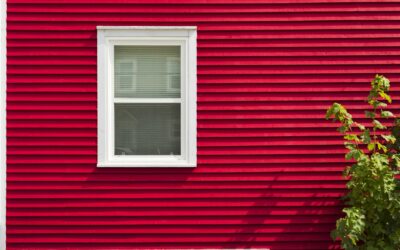
Fiber cement board siding has become the go-to premium siding for homeowners who want the warm look of painted wood without the endless upkeep, and without the cheap feel that thin vinyl can have. Made from a blend of cement, sand, and cellulose fibers, it is a dense, rigid, durable material that resists fire, rot, insects, and harsh weather far better than wood or vinyl. It holds paint beautifully, comes in convincing woodgrain textures, and consistently ranks near the top for return on investment among exterior remodels. The trade-offs are a higher upfront cost and a heavier, more labor-intensive installation. This guide covers what fiber cement siding is, the styles and brands, real costs, installation, maintenance, and the mistakes that undercut its long lifespan.
- What Fiber Cement Siding Is Made Of
- Styles and Profiles
- Popular Brands
- What Fiber Cement Board Siding Costs
- Installation Basics
- Maintenance and Longevity
- Pros and Cons
- Fiber Cement vs. Vinyl and Wood
- Common Mistakes to Avoid
- Climate Considerations and Warranties
- James Hardie Fiber Cement Board: Siding vs Backer Board
- Frequently Asked Questions
What Fiber Cement Siding Is Made Of
Fiber cement is an engineered composite of Portland cement, sand, water, and cellulose (wood) fibers, cured and pressed into boards. The cellulose fibers add flexibility and strength to the otherwise brittle cement, while the cement gives the product its hardness, fire resistance, and dimensional stability. The result is a plank or panel that looks like wood from the street but behaves like masonry in the weather. Because it does not expand and contract nearly as much as vinyl and does not feed insects or rot like wood, it is prized for longevity, commonly warrantied for 30 to 50 years.
Styles and Profiles
Fiber cement comes in a range of forms to suit nearly any architectural style:
- Lap siding (planks): The most common, mimicking traditional horizontal clapboard, in smooth or woodgrain textures and various widths.
- Panels/sheets: Large vertical panels, often used with battens for a board-and-batten look, popular on modern farmhouse designs.
- Shingles/shakes: Fiber cement shingle panels replicate cedar shake for gables and accents.
- Vertical siding: Straight vertical planks for a contemporary or barn-inspired aesthetic.
- Trim boards: Matching fiber cement trim for corners, windows, and fascia.
Popular Brands
The category is dominated by a few names. James Hardie is the market leader, so much so that fiber cement is often called “Hardie board” or “HardiePlank,” and its ColorPlus factory-finished line comes pre-painted with a durable, long-warranty coating. Other reputable brands include Allura and Nichiha. Products come either primed (you or the installer paints on site) or pre-finished from the factory in a baked-on color, which resists fading longer and reduces field labor.
What Fiber Cement Board Siding Costs
Fiber cement sits between vinyl and natural wood or masonry in price:
- Materials only: roughly $3 to $7 per square foot.
- Installed (materials plus labor): roughly $8 to $16 per square foot, with pre-finished and complex jobs at the higher end.
- Typical 1,500 to 2,000 sq ft home: often $14,000 to $30,000+ installed.
It costs more than vinyl but less than brick or stone, and its strong resale return, consistently among the best of any exterior project in cost-versus-value studies, helps justify the price. Labor is a bigger share of the cost than with vinyl because the material is heavy, must be cut carefully, and requires precise fastening and flashing.
Installation Basics
Fiber cement is heavier and more demanding to install than vinyl, which is why professional installation is the norm:
- Weight and handling: Planks are dense and awkward; a crew and proper support are needed.
- Cutting: Cutting fiber cement creates crystalline silica dust, which is a serious respiratory hazard. Pros use special shears, scoring tools, or saws with dust collection and wear respirators. This is a real safety consideration for DIYers.
- Fastening: Planks are blind-nailed or face-nailed into studs with corrosion-resistant nails, following the manufacturer’s exposure and overlap specs precisely, which is required to keep the warranty valid.
- Moisture management: Proper house wrap, flashing around windows and doors, and correct clearances above the ground and roofline are essential. Fiber cement is durable but not immune to water that gets behind it.
- Gaps and caulking: Butt joints and trim intersections are flashed or caulked per the maker’s instructions.
Because the warranty depends on installation following exact specifications, most homeowners hire experienced fiber cement installers rather than attempting a DIY re-side.
Maintenance and Longevity
Fiber cement is low-maintenance but not no-maintenance. It does not rot, warp, or feed insects, and it is highly fire-resistant (often rated non-combustible). Routine care is simple: wash it once or twice a year with a garden hose and soft brush to remove dirt and mildew, and inspect the caulk and paint every few years. Primed siding needs repainting periodically, roughly every 10 to 15 years, while factory-finished ColorPlus-type coatings can last 15 years or more before needing attention and often carry a 15-year finish warranty. Keeping caulk joints sound and repainting on schedule are the main tasks that preserve its long life.
Pros and Cons
Pros: excellent durability and 30 to 50 year lifespan, fire-resistant, rot- and insect-proof, holds paint superbly, convincing wood look, strong resale value, and stands up to extreme weather and hail far better than vinyl.
Cons: higher upfront and labor cost, heavy and harder to install, cutting creates hazardous silica dust, primed versions need periodic repainting, and it can crack if mishandled or improperly fastened. It is also brittle compared with wood, so it does not flex.
Fiber Cement vs. Vinyl and Wood
Against vinyl, fiber cement wins on durability, fire resistance, and premium appearance, but costs more and is harder to install. Against natural wood, it wins on maintenance, rot and insect resistance, and fire safety while closely mimicking the look, though wood purists prefer real cedar’s authenticity. For most homeowners wanting a durable, attractive, high-resale exterior without wood’s upkeep, fiber cement hits the sweet spot.
Common Mistakes to Avoid
- Cutting without dust protection, exposing workers to hazardous silica; always use dust-controlling tools and a respirator.
- Ignoring the manufacturer’s nailing and clearance specs, which voids the warranty and invites moisture problems.
- Skipping proper flashing and house wrap, letting water get behind the siding.
- Not maintaining ground clearance, siding too close to soil or roofing wicks moisture and can deteriorate.
- Neglecting caulk and paint maintenance, which shortens the finish’s life.
- Attempting a full DIY install without the tools or experience, given the weight, dust, and precision required.
Climate Considerations and Warranties
Fiber cement performs well in a remarkably wide range of climates, which is part of its appeal, but the right product choices vary by region. In hot, humid areas of the South, its resistance to rot, warping, and insects is a major advantage over wood, and its dimensional stability means it does not expand and buckle the way vinyl can in extreme heat. In cold northern climates, fiber cement handles freeze-thaw cycles well provided it is installed with proper clearances and flashing so water is not trapped against it to freeze. In wildfire-prone regions of the West, its non-combustible rating makes it one of the safest cladding choices and can even affect insurance and building-code compliance in fire zones. In hail-prone areas, it resists impact far better than vinyl, which cracks in a hard freeze or heavy hail.
Warranties reflect this durability. Reputable brands back the substrate with a 30- to 50-year limited warranty, and factory-applied finishes typically carry a separate 15-year finish warranty covering fade and peel. Read the fine print, though: nearly every warranty is conditioned on installation that follows the manufacturer’s published specifications exactly, correct fastener type and spacing, required overlaps, ground and roof clearances, and proper flashing. This is the single biggest reason to hire installers experienced specifically with fiber cement, because a warranty claim can be denied if the installation deviated from spec.
Register your warranty after installation and keep records of the product line, color, and installer. If you ever need to replace a damaged plank or match siding for an addition years later, having the exact product and color documented saves a great deal of hunting. It also helps at resale, when buyers and inspectors appreciate seeing that a durable, warrantied cladding was professionally installed.
Fiber cement board siding is a premium, long-term investment that delivers the beauty of painted wood with a fraction of the upkeep and a level of durability vinyl cannot match. It costs more upfront and demands skilled, spec-compliant installation, but it rewards that investment with decades of fire-resistant, rot-proof, weather-tough performance and one of the best resale returns in the remodeling world. Choose a reputable brand, opt for a factory finish if you want to minimize painting, hire an experienced crew who follows the manufacturer’s details, and keep up with basic washing and caulk maintenance, and your home will look sharp and stay protected for a generation or more.
James Hardie Fiber Cement Board: Siding vs Backer Board
“James Hardie fiber cement board” can mean two different products: exterior siding and trim, or the company’s cement backer board used under tile indoors. They share a cement-and-fiber recipe but are sized, finished and installed differently, and one cannot stand in for the other. Knowing which one a project needs saves a wasted trip and a failed install.
The Main James Hardie Board Products
| Product | Format | Use |
|---|---|---|
| HardiePlank lap siding | Horizontal lap boards in 12 foot lengths | Main exterior wall siding |
| Vertical panel siding | 4 foot wide sheets in 8, 9 and 10 foot lengths per the maker’s catalog | Vertical siding, board and batten |
| Shingle siding | Shingle-style panels | Gables and accent walls |
| Trim and soffit | Trim boards and soffit panels, vented or solid | Corners, windows, fascia, eaves |
| Cement backer board | 3 by 5 foot boards, plus 4 by 8 in the thinner board | Tile underlayment on floors, walls and countertops |
Siding Boards
The exterior products come primed for paint or with a factory-baked ColorPlus finish, and in textures such as a cedar woodgrain, smooth, stucco and grooved panel options depending on the product. James Hardie formulates its siding for regional climate zones, so the product sold in a cold northern market differs from the one sold in the hot, humid South. Ask the supplier to confirm you are getting the version made for your region.
James Hardie Backer Board for Tile
The backer board is made for interior tile, not cladding. The maker lists a 1/4 inch board, recommended for floors and countertops, and a thicker board of about 0.42 inch recommended for walls and backsplashes. It goes over a sound subfloor or studs, gets fastened with corrosion-resistant backer board screws or roofing nails per the instructions, and has its seams taped with alkali-resistant mesh and set with thinset. In showers it still needs a waterproofing membrane or a vapor barrier behind it, because cement board passes water vapor.
Cutting Safely
Both siding and backer board release crystalline silica dust when cut with a saw. Score and snap thin backer board where possible, use shears or a dust-collecting saw for siding, cut outdoors, and wear a properly fitted respirator. Clean up with a HEPA vacuum or wet methods, never a dry broom. Thicknesses, sizes and textures change over time, so check the maker’s current spec sheet before ordering.
Frequently Asked Questions
Can fiber cement siding be installed over existing siding?
Usually the old siding should come off. Fiber cement needs a flat, solid nailing base and a proper water-resistive barrier behind it, and it should never go over vinyl or uneven materials. Some manufacturers allow it over flat, sound wood siding with furring strips or new sheathing, but removing the old layer lets the installer check for rot and install fresh house wrap and flashing.
Does fiber cement siding get mold?
Fiber cement itself does not feed mold because cement and sand are not a food source, but mildew and algae can grow on dirt that collects on the surface, especially on shaded or north-facing walls. Washing the siding once or twice a year with a garden hose, a soft brush and a mild detergent solution keeps it clean. Avoid high-pressure washing close to the boards.
How often does fiber cement siding need to be painted?
Primed fiber cement painted on site with a quality exterior acrylic paint typically needs repainting every 10 to 15 years, depending on sun exposure and climate. Factory-finished boards hold their color longer and usually carry a separate finish warranty of around 15 years. Fiber cement holds paint far better than wood because it does not swell and shrink with moisture.
Does old fiber cement siding contain asbestos?
It can. Cement siding and shingles made before the 1980s often contained asbestos, while modern fiber cement uses cellulose fibers instead. Intact old asbestos cement siding is generally low risk, but cutting, drilling, sanding or breaking it can release fibers. Have a sample tested before removal, and use a licensed abatement contractor if it contains asbestos.