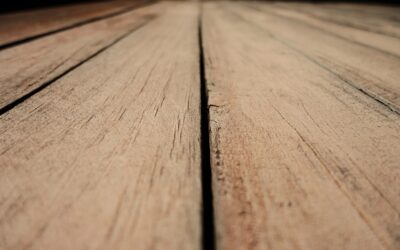
There’s a reason low, ground-hugging decks keep showing up in design magazines and on every backyard inspiration board. Done right, they feel less like a bolted-on structure and more like a natural extension of the house and garden. The best flat deck ideas trade the bulky railings and tall posts of a traditional raised deck for clean horizontal lines, seamless transitions to the lawn, and a calm, modern look that suits everything from a mid-century ranch to a small city lot.
Part of our Decks & Outdoor guide — explore the full guide →
As a contractor, I steer a lot of homeowners toward ground-level platform decks when the yard allows it, because they’re often cheaper, safer, and faster to build than raised decks. Here are the ideas and practical details worth knowing before you start.
Why Go Flat and Low to the Ground
A flat deck typically sits within 12 to 30 inches of grade, and many sit lower still, just a few inches above the soil on a floating platform. That low profile delivers real advantages beyond looks.
- No railing required. In most U.S. jurisdictions, decks under 30 inches above grade don’t need a guardrail, which saves money and opens up the views.
- Lower cost. Less framing, fewer tall footings, and no rail system mean you spend less per square foot.
- Easier permitting. Many ground-level floating decks fall below the threshold that requires a permit, though you should always confirm with your local building department.
- Seamless flow. The deck reads as part of the yard, perfect for indoor-outdoor living.
No-Railing Designs and How to Frame the Edge
The defining feature of most flat decks is the absence of a railing, which is what gives them that uncluttered, contemporary feel. To keep the edge looking intentional, wrap the perimeter in a clean fascia board and let the deck boards overhang slightly for a shadow line.
If you want to define the boundary without a tall rail, consider a built-in bench around two sides, a low planter wall, or a single step down to a gravel or paver border. These soft edges signal “the deck ends here” while keeping the open, flat aesthetic. A line of large potted grasses or boxwoods does the same job with zero construction.
Material Choices: What to Build It With
Pressure-Treated Lumber
The budget standard. Pressure-treated pine runs roughly $15 to $25 per square foot installed and can be stained any color. It’s the most economical path but requires annual or biennial sealing to stay looking good.
Composite and PVC Decking
My usual recommendation for a flat deck, because the low profile means the boards take a beating from ground moisture, and composite shrugs that off. Composite runs about $30 to $60 per square foot installed. It never needs staining, resists rot, and the wide plank colors from gray driftwood to warm walnut suit the modern look beautifully. Choose a board rated for ground-contact-adjacent or low-clearance installs and provide ventilation.
Hardwoods like Ipe
For a premium, architectural flat deck, tropical hardwoods such as ipe deliver a gorgeous, tight-grained surface that ages to silver-gray. Expect $40 to $70 per square foot installed. It’s dense, durable, and stunning, but it’s heavy to work with and pricey.
Smart Layouts for Flat Decks
Because there’s no railing to box you in, layout is where flat decks get fun. A few proven approaches:
- The floating island. A freestanding square or rectangle set in the middle of the lawn or against a fence, reached by a gravel path. Great for a fire-pit lounge or a dining spot away from the house.
- The wraparound apron. A shallow, wide platform that hugs the back of the house, perfect for sliding-door transitions and a row of lounge chairs.
- The split-grid. Two or more flat platforms at slightly different elevations connected by a single broad step, which adds visual interest without the cost of a true multi-level raised deck.
Running deck boards on a diagonal or in a parquet pattern is another way to add character to a simple flat shape without spending more on framing.
Flat vs. Multi-Level: Which Makes Sense
Homeowners often ask whether to break a deck into multiple levels. On a flat, even lot, a single ground-level platform is almost always the better call: it’s cheaper, fully accessible, and reads as more open. Multi-level designs earn their keep on sloped yards, where stepping the deck down the grade avoids tall, expensive framing on the low side.
If your yard slopes more than a foot or so across the deck footprint, a two-tier flat design, with each tier sitting low to its own section of grade, often beats one tall raised platform on both cost and looks.
Seating and Built-Ins
With no railing to lean against, seating becomes the star. Built-in perimeter benches are my favorite flat-deck feature: they define the edge, add storage underneath, and seat a crowd without cluttering the space with furniture. Build them 16 to 18 inches high with a seat depth of 18 to 20 inches for comfort.
A sunken or surface-level fire feature anchors a flat deck beautifully. Pair it with low modular lounge seating and a weatherproof rug, and the deck instantly becomes an outdoor room. Recessed deck lighting along the edge and under bench seats handles the safety question that railings would otherwise address at night.
Realistic Costs and Timeline
A simple 12-by-16-foot (192 square foot) ground-level deck in pressure-treated lumber typically lands between $3,500 and $5,000 with labor. The same deck in composite runs roughly $6,000 to $11,000. Add built-in benches, lighting, or a fire pit and figure another $1,500 to $4,000.
Construction is fast compared to a raised deck. A straightforward floating platform can go up in three to five days for a pro crew, and many DIYers complete one over two or three weekends using adjustable deck blocks instead of poured footings, where code allows.
The Bottom Line
The appeal of great flat deck ideas comes down to simplicity: keep it low, skip the railing where code permits, choose a material that handles ground moisture, and define the edges with benches, planters, or a single broad step. Whether you build a freestanding lounge island or a wide apron off the back door, a flat ground-level deck delivers the modern, seamless indoor-outdoor connection that taller decks rarely match, usually for less money and in less time.