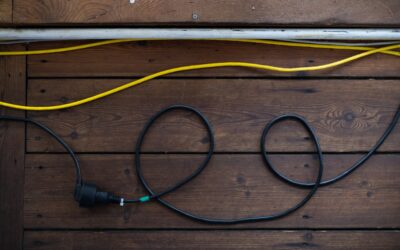
Loose cords snaking across a hallway or office floor are one of the most preventable trip hazards in any home or workspace, and a properly chosen floor cable protector solves that problem in minutes without any permanent modification to your flooring. Whether you’re running an extension cord to a holiday display, wiring a home office, or managing cables at a one-day event, the right floor cable protector depends heavily on cable count, foot traffic, and whether vehicles or heavy equipment will roll over it.
- Floor Cable Protector: Types of Cable Protectors
- Channel Sizes and Cable Capacity
- Weight Ratings
- ADA and Accessibility Considerations
- Installation Tips
- Choosing the Right Protector for Your Space
- Maintenance and Longevity
- Cable Protectors on Different Floor Types
- Outdoor and Temporary Event Use
- Final Thoughts
Floor Cable Protector: Types of Cable Protectors
Rubber Drop-Over Ramps
These are the heaviest-duty option, molded from solid rubber with one or more internal channels running the length of the unit. They’re designed to be simply set on top of the floor rather than taped down, relying on weight and a low-profile ramped edge to stay in place. Rubber ramps handle everything from foot traffic to light vehicle crossings and are the standard choice for warehouses, film sets, and outdoor events.
PVC and Plastic Cord Covers
Lighter-weight PVC cord covers use a hinged or snap-open channel design, making them easy to install without threading cables through a tunnel. These typically come in 3- to 5-foot sections that connect end to end, and most are rated for foot traffic only — not vehicle weight. They’re the most common choice for home offices, classrooms, and retail floors.
Carpet and Fabric Cord Covers
Designed for low-traffic residential settings, these are fabric or felt sleeves, sometimes with a hook-and-loop closure, that bundle cords together without a rigid channel. They don’t offer crush protection but do prevent the tripping hazard of loose cords and blend in better on carpeted floors than rigid plastic or rubber options.
Adhesive Cable Raceways
These low-profile channels mount permanently to a wall or floor edge with adhesive backing and are best suited for a single low-voltage cable, like a TV or ethernet run, rather than multiple heavy-gauge cords.
Channel Sizes and Cable Capacity
Cable protectors are sized by channel width and depth, and matching the right size to your cable bundle matters both for safety and for keeping the ramp low enough to avoid becoming its own trip hazard.
- Single-channel, 1-inch: One standard extension cord or a small bundle of low-voltage cables
- Dual-channel, 1.5 to 2 inches per channel: Separates power cords from data or AV cables to prevent electrical interference
- Triple or quad-channel, 5 to 6 inches overall width: Common in office and event settings running multiple power strips or extensive AV wiring
- Heavy-duty cable ramps, 3-inch channel depth: Rated for larger industrial cables and hose bundles
Always leave a small amount of slack space in the channel — cramming cables in too tightly can damage the insulation over time from pressure and heat buildup, particularly with power cords carrying continuous loads.
Weight Ratings
Weight capacity varies dramatically by material and design. Standard PVC office cord covers are typically rated for foot traffic only, up to roughly 200 to 300 pounds per square inch of rolling or point load, sufficient for office chairs and foot traffic but not vehicles. Rubber cable ramps used in commercial and event settings are rated in far higher categories:
- Light-duty rubber ramps: up to 11,000 pounds per axle, suitable for light carts and hand trucks
- Medium-duty ramps: around 18,000 pounds per axle, common for forklifts and delivery vehicles at loading docks
- Heavy-duty ramps: 33,000 pounds per axle or higher, used at construction sites and industrial facilities with heavy equipment traffic
For a typical residential application — protecting a cord running across a hallway or under a doorway — a standard foot-traffic-rated PVC or rubber cover is more than sufficient, and there’s no need to pay for industrial ramp pricing.
ADA and Accessibility Considerations
If cable protectors will be installed in a business, school, or any public-facing space, accessibility compliance matters. The ADA doesn’t set an explicit maximum ramp height for cable protectors specifically, but general guidance from accessibility consultants recommends keeping the beveled edge slope no steeper than a 1:2 ratio and ideally under 0.5 inches in total height to avoid creating a hazard for wheelchair users, walkers, or anyone with a mobility impairment. Bright yellow or high-visibility orange covers are strongly preferred in commercial settings, both for ADA-adjacent visibility standards and general safety compliance under OSHA walking-working surface rules.
For home use, this level of formal compliance isn’t legally required, but the same visibility principle still reduces fall risk for elderly family members or young children, so a high-contrast color is worth choosing even in residential settings.
Installation Tips
Most drop-over ramps require no adhesive or fasteners at all — their weight and ramped profile hold them in place under normal foot traffic. For high-traffic commercial corridors or outdoor use where wind or frequent cart traffic might shift a lighter unit, connector clips or double-sided carpet tape at the ends prevent creeping.
When running cable through a snap-open PVC channel, lay the cable loosely along the base before closing the lid rather than trying to thread it through a closed channel — this avoids kinking the cable and makes future cable additions or swaps far easier. For runs longer than one section, overlap connecting pieces by about an inch and use the built-in tabs or connectors most brands include, rather than leaving a gap that can catch a shoe or wheel.
Choosing the Right Protector for Your Space
For a home office with a single desk setup, a basic 1- to 2-channel PVC cover in the 3- to 6-foot range, typically priced $15 to $30, handles the job without drawing much visual attention. For a living room running cables to a wall-mounted TV, a fabric cord sleeve blends in better and is easier to route around furniture.
For events, temporary construction wiring, or any situation involving vehicle or heavy cart traffic, a rubber drop-over ramp rated appropriately for the expected load is non-negotiable — these run $40 to $150 depending on length and channel count, but the cost is minor compared to the liability of an uncovered cord in a high-traffic commercial area.
Maintenance and Longevity
Rubber ramps used outdoors or in industrial settings should be inspected periodically for cracking, especially after exposure to temperature swings, since UV exposure and repeated flexing under heavy loads gradually degrade rubber compounds. PVC covers used indoors last considerably longer with minimal wear, often 3 to 5 years of regular use, since they aren’t exposed to the same UV and temperature stress. Clean covers periodically with a damp cloth — built-up dust and grit inside the channel can accelerate wear on cable insulation over time.
Cable Protectors on Different Floor Types
Hardwood and laminate floors call for a protector with a smooth, non-abrasive underside — some rubber ramps have a textured grip surface designed to prevent slipping on concrete, but that same texture can scuff a finished wood floor if the ramp shifts under repeated foot traffic. Look for products labeled safe for finished flooring, or add a thin felt pad strip along the base for extra protection on hardwood.
On carpet, low-profile fabric cord covers work better than rigid plastic channels, which can create an uneven bump that’s more noticeable underfoot on a cushioned surface. For tile and concrete, virtually any protector type works well since these surfaces are more resistant to scuffing and better able to handle the weight distribution of a rubber ramp without shifting.
Outdoor and Temporary Event Use
Outdoor events add weather resistance to the list of considerations. UV-stabilized rubber ramps hold up far longer under direct sun exposure than standard PVC covers, which can become brittle and crack within a single season of consistent outdoor use. If cables will cross a driveway, parking area, or any surface exposed to vehicle traffic, use a ramp explicitly rated for that load — a foot-traffic-only cover crushed by a car will not only damage the cover but can also pinch or sever the cable underneath, creating a fire or shock hazard.
For multi-day outdoor events, stake-down points or sandbags along the ramp’s edges help prevent wind or repeated vehicle crossings from gradually walking the unit out of position, which is a common complaint at festivals and outdoor markets where ramps see constant use over several days.
Final Thoughts
A floor cable protector is a small investment that eliminates one of the most common and easily prevented tripping hazards in homes, offices, and event spaces. Matching channel size to your actual cable count, choosing a weight rating appropriate to your traffic type, and picking a high-visibility color for any shared or commercial space covers nearly every situation you’re likely to encounter.
Prefer to explore on your own?
See how new flooring looks in your actual room in seconds — free, no signup.
Try the free Floor Studio →