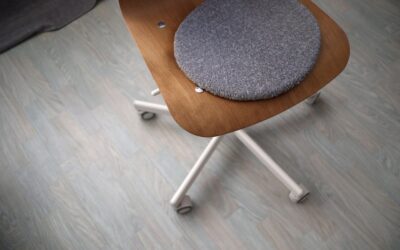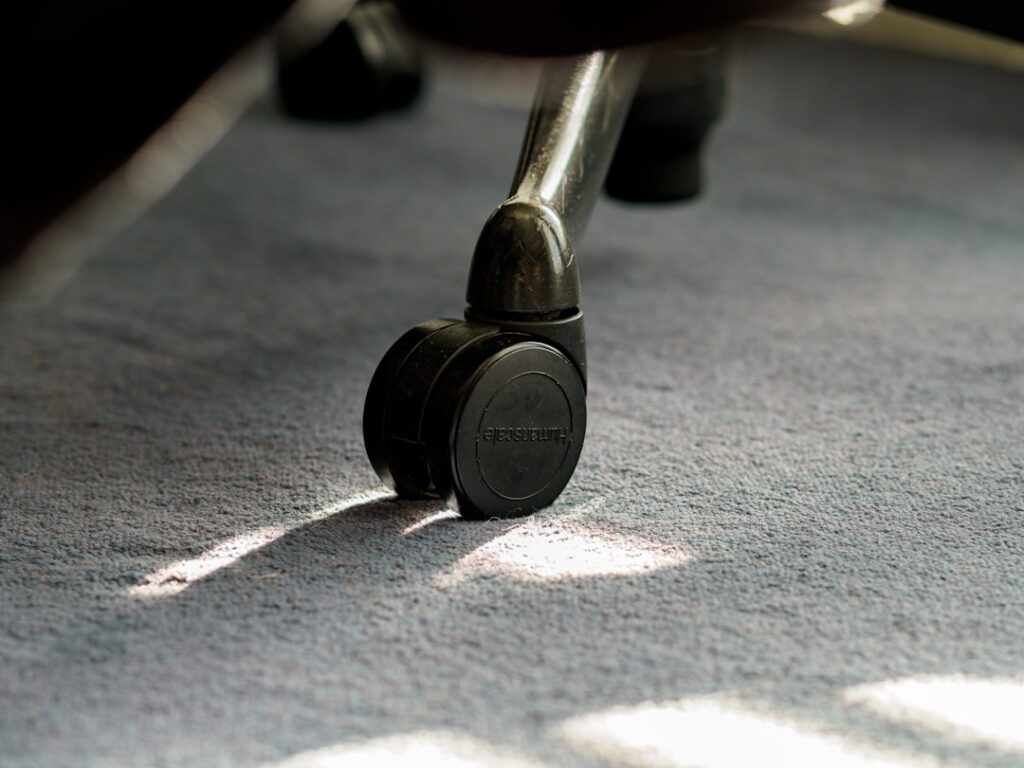
Most floor scratches are not caused by dropped objects or pet claws. They come from the chairs you slide out for dinner several times a day. Chair leg floor protectors are the cheapest, most effective insurance you can buy for hardwood, vinyl, laminate, and tile. A bag of felt pads costs a few dollars and prevents repairs that can run hundreds. Here is how to pick the right type, size them correctly, and keep them working.
Why Chair Legs Wreck Floors
Dining and office chairs concentrate weight on four small contact points. Drag that load across a finish and the bare metal, wood, or plastic foot acts like a chisel. On a softer surface like luxury vinyl plank or a satin polyurethane hardwood finish, even a single grain of grit trapped under a chair leg can carve a visible line in seconds.
The damage compounds. Once a scratch breaks the protective topcoat, moisture and dirt reach the layer below, and the mark spreads with every use. Protectors solve the problem at the source by putting a soft, replaceable buffer between the leg and the floor.
Types of Chair Leg Floor Protectors
Not every protector suits every floor. Match the material to your surface and your chair usage.
- Felt pads: The classic choice. Self-adhesive or nail-in felt glides quietly and protects hardwood, laminate, and luxury vinyl beautifully. Expect to pay $5 to $12 for a multi-pack. They wear down and need replacing every few months in heavy-use rooms.
- Rubber tips and caps: Slip over the leg for a grippy, non-sliding hold. Ideal on tile or for chairs you do not move often. Cheap rubber can leave dark scuff marks on light floors, so look for non-marking thermoplastic.
- Silicone caps: Stretchy, washable, and quiet. They stay put better than felt and resist falling off. A set of eight runs $8 to $15. Great for kitchen chairs that get bumped around.
- Nail-in glides: Hammered into wooden chair legs for a permanent fix. Metal glides slide well on carpet; felt-faced glides protect hard floors.
- Wrap-around socks: Fabric covers that slide over the whole foot. Best for outdoor chairs or oddly shaped legs.
How to Choose the Right Protector
Start with your floor. For hardwood, engineered wood, laminate, and vinyl, felt or felt-faced glides are the gold standard because they slide without scratching. For ceramic and porcelain tile, rubber or silicone caps work well since sliding is less of a concern and grip prevents the chair from skating away.
Next, consider how often the chair moves. A desk chair dragged daily benefits from low-friction felt. A guest chair that rarely moves can take a grippier rubber cap. Finally, factor in your chair’s weight. Heavier chairs crush thin pads quickly, so choose thicker, denser felt rated for the load.
Measuring Chair Legs Correctly
The single most common mistake is buying the wrong size. A felt pad that overhangs the leg edge peels off; a cap that is too tight will not seat fully.
- For stick-on pads, measure the width of the leg’s contact surface and buy a pad that matches or sits slightly inside that footprint.
- For caps, measure the outside diameter (round legs) or width and depth (square legs). Most caps list a fit range, such as 0.75 to 1 inch.
- Tapered or angled legs need caps designed for that geometry, or a flexible silicone cup that conforms.
When in doubt, buy a variety pack the first time. It costs a dollar or two more and lets you match every chair in the house without a second trip.
Installation That Actually Lasts
Adhesive pads fail when the surface is dirty. Wipe each leg bottom with rubbing alcohol, let it dry, then press the pad firmly for ten seconds. The pressure activates the adhesive and is the difference between a pad that lasts months and one that drops off in a week.
For nail-in glides, drill a small pilot hole in hardwood legs to prevent splitting, then tap the glide straight in. Caps simply stretch over the foot; a drop of dish soap on the leg helps a stubborn silicone cap slide on, then it grips as it dries.
Maintenance and Replacement
Protectors are consumables, not permanent fixtures. Check them monthly. Felt that has worn thin or compacted no longer cushions and can let embedded grit reach the floor, which is worse than no pad at all. Vacuum or wipe under chairs regularly because the grit that collects there is the real enemy.
Peel and replace worn felt before it disappears. Wash silicone and rubber caps in warm soapy water to remove trapped debris. Keep a small bag of spares in a kitchen drawer so you can swap a missing pad the moment you notice it.
Matching Protectors to Floor Types
Different floors have different vulnerabilities, so the ideal protector shifts with the surface:
- Hardwood: Felt is the gold standard. It slides smoothly and will not scratch the finish. Avoid hard plastic or unfinished metal glides.
- Engineered wood and laminate: Felt again, since these surfaces scratch much like hardwood. Keep grit swept away under chairs.
- Luxury vinyl plank (LVP) and sheet vinyl: Felt or soft, non-marking pads. Be cautious with rubber or dark plastic, which can leave permanent staining or scuff marks on vinyl.
- Tile (ceramic and porcelain): Rubber or silicone caps work well, since sliding is less of a worry and grip keeps chairs from skating on the slick surface.
- Carpet: Hard plastic or metal glides actually help chairs slide over the pile, the opposite of what you want on hard floors.
Common Mistakes to Avoid
A few errors cause protectors to fail or even damage the floor they are meant to save. The biggest is letting felt wear down to nothing, at which point grit embeds in the worn pad and the bare leg edge grinds the floor, worse than no protector at all. Replace felt before it disappears.
Another mistake is sticking adhesive pads onto a dirty or dusty leg; they drop off within days. Clean with rubbing alcohol first. Using rubber caps on light vinyl can leave dark scuff marks, so choose non-marking material. And buying the wrong size means pads peel or caps fall off, so always measure the leg before purchasing. Finally, neglecting to sweep under chairs lets grit accumulate, which is the actual cause of most scratches even when protectors are in place.
Cost and Value
You can outfit an entire dining set for under $10. Compare that to refinishing a scratched hardwood floor, which typically runs $3 to $8 per square foot, and the math is obvious. Buying quality chair leg floor protectors and replacing them on schedule is one of the highest-return habits a homeowner can build. Spend a few minutes installing them today and you protect a floor that costs thousands to replace.
Final Thoughts
The best protector is the one matched to your floor, sized to your leg, and installed on a clean surface. Felt for sliding chairs on wood and vinyl, silicone or rubber caps for tile and chairs that stay put, and a habit of checking them monthly. Get those three things right and your floors will look new for years.
Prefer to explore on your own?
See how new flooring looks in your actual room in seconds — free, no signup.
Try the free Floor Studio →