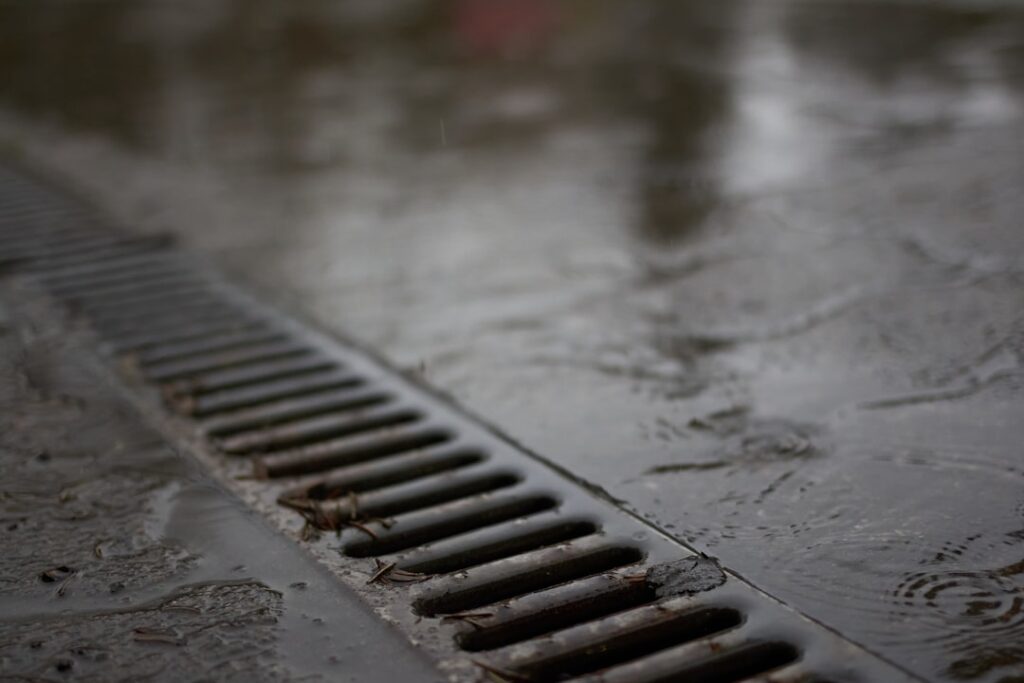
It’s the small, easily ignored piece of hardware sitting over the drain in your basement, garage, or shower — until it rusts through, cracks, or clogs and you realize how much it matters. A floor drain grate is the protective cover that lets water flow down the drain while keeping debris, objects, and feet out of the pipe below. The right grate prevents clogs, stops trip hazards, and even helps block sewer gases and pests. Replacing or upgrading one is a simple, inexpensive project that solves a surprising number of problems.
- What a Floor Drain Grate Does
- Where You'll Find Floor Drains
- Types of Floor Drain Grates
- Grate Materials
- Sizing and Choosing a Replacement
- How to Replace a Floor Drain Grate
- Maintenance and Keeping Drains Clear
- A Small Part Worth Getting Right
- Decorative and Upgrade Options
- Troubleshooting Common Grate Problems
This guide covers the types of grates, materials, how to size and replace one, and how to keep your drains flowing.
What a Floor Drain Grate Does
The grate has three jobs. First, it filters — the slots or holes let water pass while catching hair, leaves, lint, and debris that would otherwise clog the line. Second, it protects — a solid grate keeps shoes, paws, and dropped objects from falling into the drain and provides a safe, flush surface to walk over. Third, in many designs, it sits above a trap that blocks sewer gas from rising into the room.
A missing or broken grate undoes all of that. Debris washes straight into the pipe, the open hole becomes a hazard, and odors can creep up. That’s why a damaged grate is worth replacing right away.
Where You’ll Find Floor Drains
Floor drains and their grates show up in plenty of places around a home, each with slightly different needs.
- Basements: the classic round floor drain that handles water heater overflow, washing machine discharge, and seepage.
- Garages and workshops: drains that channel melting snow, washdown water, and spills.
- Showers and wet rooms: shower drain grates, including sleek linear channel drains.
- Laundry rooms: drains protecting against washer leaks and overflow.
- Patios and exterior areas: drains and channel grates managing rainwater.
Types of Floor Drain Grates
Grates come in several styles, and the right one depends on the location and the look you want.
Round Grates
The most common for basement and utility floor drains, dropping into or threading onto a round drain body. Sizes are standardized, so replacements are easy to find.
Square and Rectangular Grates
Used for square drain bodies and many shower drains, often with a more decorative or tileable design.
Linear and Channel Grates
Long, narrow strip grates for modern showers, patios, and driveways, channeling water along a trough. They offer a sleek, minimalist look and high flow capacity.
Tile-In Grates
Frames designed to hold a piece of your floor tile, so the drain nearly disappears into the surrounding floor — popular in high-end curbless showers.
Grate Materials
Material affects durability, looks, and price. Match it to the environment.
- Stainless steel: rust-resistant, strong, and clean-looking — the go-to for showers and wet areas.
- Cast iron: heavy-duty and traditional for basement and utility drains, though it can rust over decades.
- Brass and bronze: attractive and corrosion-resistant, often in finished living spaces.
- PVC and ABS plastic: inexpensive and rustproof, common in modern drains and budget replacements.
- Nickel-bronze: a durable, decorative option for showers.
Sizing and Choosing a Replacement
Getting the size right is the whole battle with a replacement grate. A grate that’s too small falls in; too large won’t seat.
- Measure the existing grate. For round grates, measure the diameter across the top; for square and linear, measure length and width.
- Note the mounting style. Some grates simply drop in, others screw into the drain body with a center screw, and others thread on. Match the mounting type.
- Measure the opening, not just the old grate, in case the old one was already the wrong size.
- Check the load rating for garages and driveways, where vehicle traffic demands a heavy-duty grate.
- Bring the old grate to the store or photograph it with measurements to find an exact match.
How to Replace a Floor Drain Grate
Replacing a grate is one of the easiest plumbing-adjacent jobs there is. Most take ten minutes.
- Remove the old grate. Lift out drop-in grates, or unscrew the center screw or perimeter screws on fastened ones. A rusted screw may need penetrating oil.
- Clean the drain seat. Clear out debris, rust flakes, and gunk from the opening and the rim where the new grate will rest.
- Test fit the new grate to confirm it seats flush and flat.
- Secure it. Drop it in or drive the screws, depending on the style.
- Run water to confirm it drains freely and the grate sits flush with no rocking.
Maintenance and Keeping Drains Clear
A grate only helps if you keep it clean. Pull or unscrew it periodically and clear the trapped hair and debris that collect on top and just below. In basements, pour a bucket of water down rarely used floor drains every couple of months — the trap can dry out and let sewer gas in, and a refill reseals it. For showers, a quick weekly clearing of the hair off the grate prevents slow drains.
If you smell sewer gas, the trap may be dry or the drain may need attention beyond the grate. And if your grate is heavily rusted, cracked, or wobbling, replace it before it fails completely.
A Small Part Worth Getting Right
A floor drain grate is cheap and easy to overlook, but it quietly protects your plumbing, your safety, and your indoor air. Choose the right material and size, replace a damaged one promptly, and keep it clear of debris, and your drains will do their job without complaint. For a part this inexpensive, there’s no reason to live with a rusted or broken grate.
Decorative and Upgrade Options
A grate doesn’t have to be purely utilitarian. In finished spaces and modern bathrooms, the grate is a visible design element, and upgrading it is an easy way to refresh a room. Decorative shower grates come in patterned, linear, and tile-in styles that turn a plain drain into a detail. Finish options like brushed nickel, matte black, oil-rubbed bronze, and polished chrome let you match the grate to your faucets and hardware. For a near-invisible look, a tile-in grate holds a cut piece of your floor tile so the drain nearly disappears. Swapping a basic chrome grate for a finish that coordinates with the rest of the room is one of the cheapest upgrades in the house.
Troubleshooting Common Grate Problems
A few issues come up again and again with floor drains, and most are easy to diagnose.
- Slow drainage: usually hair and debris caught on or just below the grate. Pull the grate and clear it before assuming a deeper clog.
- Sewer odor: often a dried-out trap in a rarely used drain. Pour a bucket of water down to reseal it.
- A wobbling or sunken grate: a worn seat or wrong-size grate. Clean the seat and confirm the grate matches the opening.
- Rust stains around the drain: a corroding cast-iron grate. Replace it with stainless or plastic.
- Pests or smells from outside: consider a grate with a built-in backflow flap or a trap primer for drains that dry out.
Most of these fixes cost only a few dollars and a few minutes, which is the whole appeal of staying on top of a small part like this.
Prefer to explore on your own?
See how new flooring looks in your actual room in seconds — free, no signup.
Try the free Floor Studio →