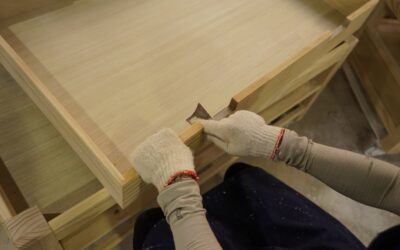
A flooring specialist is a contractor who focuses exclusively on flooring installation, repair, and consultation — as opposed to a general contractor or handyman who handles flooring as one of many services. Specialists bring deeper expertise, better tools, and more experience with the specific challenges of each flooring type.
What Does a Flooring Specialist Do?
- Consultation: Advises on the best flooring type for your rooms, budget, and lifestyle
- Measurement: Precisely measures rooms using laser or digital tools for accurate material ordering
- Subfloor assessment: Inspects and tests subfloors for moisture, levelness, and structural integrity
- Installation: Installs all types of flooring using manufacturer-specified methods and tools
- Repair: Fixes damaged sections, replaces individual planks or tiles, addresses squeaks and gaps
- Refinishing: Sands and refinishes hardwood floors (if they specialize in wood)
- Custom work: Handles borders, inlays, medallions, patterns, and complex transitions
Flooring Specialist vs General Contractor
A general contractor manages overall renovation projects and may subcontract flooring work. A flooring specialist does only flooring, all day, every day. The practical differences:
- Skill depth: Specialists encounter and solve flooring problems daily. They’ve seen every subfloor issue, every tricky transition, and every material quirk. General contractors handle flooring occasionally.
- Tools: Specialists own professional-grade flooring tools — pneumatic nailers, power stretchers, diamond blade saws, moisture meters, and laser levels. General contractors may improvise.
- Material knowledge: Specialists stay current on new products, installation methods, and manufacturer requirements. They know which products to avoid and which deliver the best performance.
- Warranty: Many flooring manufacturers require certified or factory-trained installers for warranty coverage. A specialist is more likely to meet these requirements.
When to Hire a Flooring Specialist
- Hardwood installation: Nail-down, glue-down, and site-finished hardwood require specialized skills and tools
- Tile work: Proper layout, waterproofing, thin-set application, and grouting demand experience
- Hardwood refinishing: Drum and orbital sanding are unforgiving — mistakes show permanently
- Epoxy flooring: Surface prep and coating application require chemistry knowledge and precise timing
- Complex patterns: Herringbone, chevron, borders, inlays, and mixed materials
- Problem subfloors: Moisture issues, uneven surfaces, structural damage
- Stairs: Any flooring type on stairs benefits from professional installation
- Large projects: Whole-home installations where consistency and efficiency matter
Certifications to Look For
NWFA (National Wood Flooring Association)
The gold standard for hardwood flooring professionals. NWFA certification covers installation, sanding and finishing, and inspection. A NWFA-certified installer has passed rigorous testing on wood flooring science, methods, and standards.
CFI (Certified Flooring Installers)
An independent certification program covering all flooring types — carpet, resilient (vinyl/linoleum), ceramic tile, hardwood, and laminate. CFI-certified installers have demonstrated competency through hands-on testing.
Manufacturer Certifications
Brands like Shaw, Mohawk, Armstrong, and Daltile offer training and certification programs for their specific products. These certifications may be required for manufacturer warranty coverage.
CTEF (Ceramic Tile Education Foundation)
Certifies tile installers through the Certified Tile Installer (CTI) program. This is the primary certification for professional tile work.
How to Vet a Flooring Specialist
- Verify licensing: Check your state’s contractor licensing board for active status
- Confirm insurance: General liability ($500K minimum) and workers’ comp. Get certificates.
- Check certifications: Verify NWFA, CFI, or manufacturer certifications directly
- Review portfolio: Ask for photos of completed projects similar to yours — especially detail work
- Call references: Talk to at least 2 recent customers about quality, communication, and cleanup
- Read reviews: Check Google, Yelp, BBB, and Angi for patterns in feedback
- Get a written quote: Detailed line items for materials, labor, removal, subfloor prep, and trim
Typical Costs
Flooring specialists typically charge by the square foot rather than hourly:
- LVP/Laminate installation: $1.50 to $3.00 per square foot
- Hardwood installation: $3.00 to $6.00 per square foot
- Tile installation: $5.00 to $12.00 per square foot
- Carpet installation: $0.50 to $1.50 per square foot
- Hardwood refinishing: $3.00 to $5.00 per square foot
- Consultation/estimate: Often free; some charge $50 to $150 (applied to the project if hired)
Specialists may charge more than general contractors, but the quality difference is usually worth the premium — especially for hardwood, tile, and epoxy work where mistakes are expensive to fix.
Questions to Ask
- How many years have you specialized in this type of flooring?
- Do you hold any industry certifications?
- Will you personally do the work, or will it be a crew member?
- What’s your warranty on workmanship?
- How do you handle subfloor issues discovered during installation?
- Can I see addresses of recent local installations I can drive by?
A skilled flooring specialist is an investment in getting your floors done right the first time. The cost of fixing a bad installation almost always exceeds the premium of hiring a specialist from the start.
Prefer to explore on your own?
See how new flooring looks in your actual room in seconds — free, no signup.
Try the free Floor Studio →