
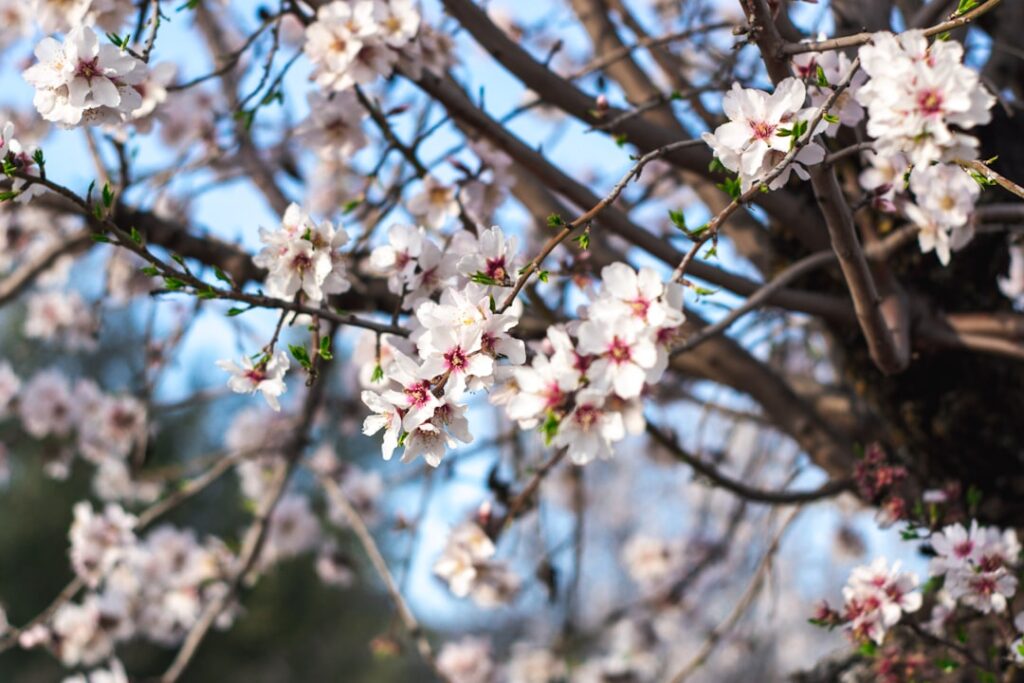
Every spring there is a two-week window when the flowering almond shrub covers itself in double pink pompom blossoms so thick you can barely see the branches, and it happens before most of the neighborhood has thought about the garden. This old-fashioned favorite, botanically Prunus glandulosa or the larger Prunus triloba, has been earning its place in dooryards for generations because it is cold-hardy, undemanding, and utterly dependable. It is not a plant you grow for summer interest; it is a plant you grow for that explosive burst of early-spring color. Understanding what it needs, and what it doesn’t, is the key to getting that show year after year.
What the Flowering Almond Is
Despite the name, this shrub is grown for flowers, not nuts. It belongs to the same Prunus genus as cherries and true almonds, and the family resemblance shows in the blossoms. The most common form, Prunus glandulosa, is a small, twiggy shrub reaching 4 to 5 feet tall and about 3 to 4 feet wide. The double-flowered variety ‘Sinensis’ or ‘Rosea Plena’ carries the classic pink pompoms; there is also a white form. Prunus triloba, sometimes sold as flowering plum or double flowering almond, is larger, growing 8 to 12 feet and often trained as a small tree.
The blooms appear in early spring, typically March or April depending on your region, opening along the bare stems just before or as the leaves emerge. Each flower is fully double, resembling a tiny pink rosette, and packed so densely the branches look like flowering wands. After bloom, the plant settles into an unremarkable green shrub for the rest of the year, which is why it works best planted among other shrubs rather than as a lone specimen.
USDA Zones and Where to Plant It
Flowering almond is hardy across USDA zones 4 through 8, tolerating winter lows well below zero, which is part of why it shows up in so many northern gardens. Site it in full sun for the heaviest bloom; six or more hours of direct light gives you the fullest flower coverage. It will grow in part shade, but the display thins noticeably.
Because the plant is quiet after its spring moment, place it where the early flowers will be seen but where its plainer summer form fades into the background. A mixed border, a spot along a fence line, or a grouping with evergreens behind it all work well. Set the shrub near a window or entry path so you catch the bloom during the short weeks it lasts.
Soil and Site Preparation
This is an adaptable shrub, but it does best in moist, well-drained soil of average fertility. It tolerates clay and sandy ground alike as long as water does not pool around the roots, because soggy soil invites root rot. A soil pH from about 6.0 to 7.0, slightly acidic to neutral, suits it fine.
Before planting, loosen a wide area rather than just the hole, and work in a couple inches of compost if your soil is poor or heavy. Good drainage matters more than richness here. Avoid low spots where spring meltwater collects, and steer clear of tight, unventilated corners where still air encourages the fungal problems this genus can develop.
How to Plant and Space
Dig a hole two to three times as wide as the root ball but no deeper than the ball itself, so the top of the roots sits level with or slightly above the surrounding grade. Setting the crown too deep is a common cause of decline. Backfill with the native soil you removed, firm it gently, and water thoroughly to settle out air pockets.
Space multiple plants according to their type: 3 to 4 feet apart for the compact Prunus glandulosa, or 6 to 8 feet for the larger Prunus triloba. Finish with a 2 to 3 inch layer of shredded bark mulch spread over the root zone, pulled back a couple inches from the stems to keep the bark dry and discourage rot. Spring or early fall are the best planting seasons.
Watering and Feeding
Through the first full growing season, water the shrub deeply once or twice a week, aiming for about an inch of water total, so the roots establish before summer heat. After that first year it is moderately drought-tolerant and usually gets by on rainfall, though a deep soak during extended dry spells keeps it healthier and less stressed.
Feeding needs are light. A single application of a balanced slow-release granular fertilizer in early spring, at the rate on the label, supplies everything the plant needs for the year. Avoid heavy nitrogen, which pushes soft growth that flowers poorly and is more prone to pests. In most decent garden soils, an annual topdressing of compost is enough.
Pruning at the Right Time
Pruning is where most people go wrong with this shrub. Flowering almond blooms on old wood, meaning the flower buds form on last year’s stems. If you prune in fall or winter, you cut off the very buds that would have flowered. The rule is simple: prune immediately after the blossoms fade in spring, which gives the plant the whole growing season to set buds for next year.
At that time, thin out a few of the oldest, thickest stems at ground level to encourage vigorous new canes, and shorten any wayward branches to shape the plant. This shrub responds well to renewal pruning; cutting a third of the old wood each year keeps it dense and floriferous. On the tree-form Prunus triloba, remove suckers from the base and any crossing branches.
Common Problems and How to Manage Them
Like other members of the Prunus family, flowering almond can face a handful of issues. Aphids sometimes cluster on new growth; a strong blast of water or an insecticidal soap spray handles them. In humid climates, watch for leaf spot and a fungal disease called brown rot, both worse when air circulation is poor. Spacing plants properly and cleaning up fallen leaves and debris in fall goes a long way toward prevention.
The shrub can also be short-lived compared to slow, woody shrubs, often thriving for 10 to 20 years before it declines, and it may sucker. Neither is a serious flaw. Renewal pruning keeps an aging plant vigorous, and the suckers can be removed or, on grafted plants, kept in check. None of these concerns should scare you off; with basic care this is one of the easiest spring shrubs you can grow.
Growing Flowering Almond in Containers
The compact Prunus glandulosa takes well to a large container, which is a good option if you garden on a patio or want to move the spring show closer to a doorway. Choose a pot at least 18 to 20 inches across with drainage holes, and fill it with a quality bagged potting mix rather than garden soil, which compacts and drowns roots in a container. A shrub in a pot dries out far faster than one in the ground, so check the top inch of soil every few days in summer and water when it feels dry.
Container plants also need winter protection in colder zones, because roots above ground are exposed to cold from all sides. In zones 4 through 6, move the pot against a sheltered wall, sink it in the ground for winter, or wrap it with insulation once the plant is dormant. Feed a potted flowering almond with a diluted liquid fertilizer a couple of times in spring, since frequent watering flushes nutrients out of the mix faster than it does in open ground.
Designing With Flowering Almond
Because the flowering almond shrub gives so much and then quietly steps back, plant it as part of a succession rather than a solo star. Pair it with summer bloomers like potentilla or spirea that pick up the color after it fades, and with fall-interest plants such as beautyberry or a shrub with good autumn foliage. An evergreen backdrop makes the pink pompoms pop and covers for the plant’s plain summer look.
Underplant it with early bulbs, daffodils, grape hyacinth, or crocus, so the ground beneath echoes the branches during bloom. Used this way, the flowering almond becomes the opening act of the garden year, delivering a burst of joy in those first warm days and then handing the stage to whatever comes next. Few shrubs give you that much drama for so little effort, and once it is established the annual routine comes down to one well-timed pruning and a spring feeding.


