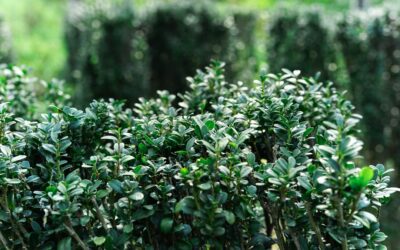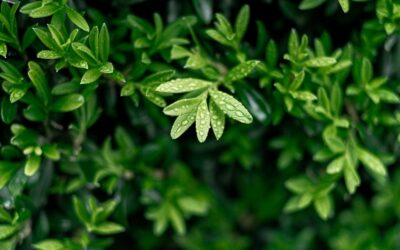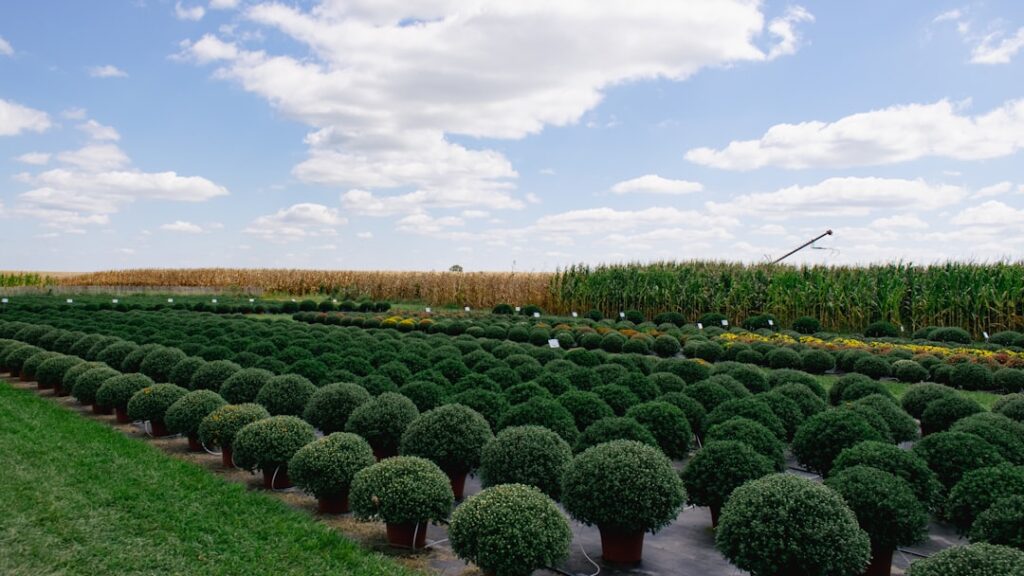
No plant says formal garden quite like a boxwood, and few shrubs give you more design mileage per square foot. Box wood shrubs have anchored hedges, parterres, and foundation plantings for centuries because they are evergreen, dense, and endlessly shearable. That reputation for being bulletproof is only partly deserved, though. Boxwood will forgive a lot, but plant it in soggy ground or crowd it in stagnant air and you invite root rot and blight. Get the site and the pruning right, and a boxwood hedge will outlive the person who planted it.
Popular Boxwood Varieties
There is no single boxwood. The species you pick determines mature size, cold hardiness, and how well it resists the diseases now plaguing older cultivars.
- English Boxwood (Buxus sempervirens ‘Suffruticosa’) — the classic dwarf, 1 to 3 feet, zones 6 to 8. Slow, dense, and fine-textured, but the most susceptible to blight.
- American Boxwood (Buxus sempervirens) — 5 to 10 feet, zones 6 to 8. Larger and faster, good for tall hedges and topiary.
- Korean Boxwood (Buxus sinica var. insularis) — 2 to 4 feet, zones 4 to 9. The cold-hardiest group; may bronze in winter sun.
- Winter Gem — a Korean type, 4 to 6 feet, zones 5 to 9. Fast, tough, and reliably green with spring feeding.
- Green Velvet and Green Mountain — Sheridan hybrids, 2 to 4 feet, zones 4 to 9. Hold color through winter and resist bronzing.
- NewGen and Sprinter — newer selections bred for boxwood blight and leafminer resistance; worth the premium if disease is in your area.
If you are planting today, choose the blight-resistant hybrids over old English boxwood. The look is nearly identical, and you sidestep the disease that has wiped out heritage hedges across the East Coast.
Where Boxwood Grows Best
Most boxwoods thrive in USDA zones 5 through 8, with Korean types stretching into zone 4 and some cultivars holding on through zone 9. They handle full sun to part shade, but the sweet spot is a spot with morning sun and light afternoon shade, roughly four to six hours of direct light. Full, unbroken sun in cold climates causes winter bronzing, an orange-brown discoloration from cold, wind, and bright light drawing moisture from leaves faster than frozen roots can replace it. Deep shade, on the other hand, makes plants thin and leggy. A location with good air movement is non-negotiable now that blight is widespread; stagnant, humid pockets are where the disease takes hold.
Soil and Planting
Drainage is everything. Boxwood roots are shallow and fibrous, and they rot in wet soil faster than almost any other issue you will face. Aim for well-drained loam with a pH between 6.5 and 7.2, which is slightly alkaline compared with most shrubs. If a soil test comes back acidic, work in lime to raise it. Dig the planting hole twice as wide as the root ball and no deeper, setting the top of the root ball an inch high so the crown never sits in standing water. Spring and fall are both fine for planting, though fall gives roots a head start before summer heat.
Spacing depends on the goal. For a tight formal hedge, set dwarf varieties 12 to 18 inches apart on center; for larger types, 2 to 3 feet. Specimen boxwoods and topiary want their full mature width. After planting, mulch with 1 to 2 inches of shredded bark, keeping it off the trunk, since deep mulch piled against the stem promotes rot and invites the very diseases you are trying to avoid.
Watering and Feeding
For the first two years, keep the root zone consistently moist but never waterlogged, roughly an inch of water a week from rain or hose. Those shallow roots dry out fast, so deep, infrequent soakings beat daily sprinkles. Once established, boxwood is moderately drought-tolerant but still appreciates water during long dry stretches, especially heading into winter. A well-hydrated plant in November resists winter bronzing far better than a drought-stressed one. Feed in early spring with a balanced slow-release fertilizer or one formulated for evergreens; a light topdressing of compost works too. Yellowing leaves often signal a nitrogen shortage, so a spring feeding usually greens them back up. Avoid fertilizing after midsummer, which pushes tender growth that will not harden before frost.
How and When to Prune
Boxwood tolerates shearing better than almost any shrub, which is why it defines topiary and formal hedges. Timing and technique matter more than most people think. The main pruning window is late spring, after the first flush of new growth has hardened, typically late May into June. Avoid shearing in early fall, since fresh growth pushed late will not harden off and will burn over winter.
When shaping a hedge, keep the base slightly wider than the top so sunlight reaches the lower branches and the bottom does not go bare. Just as important is thinning. Shearing alone creates a dense outer shell that shades out the interior, trapping humidity and dead leaves where blight thrives. Every year or two, reach inside and hand-prune some interior branches to open the plant up. Pull out the accumulated dead foliage from the center. This one habit, opening the interior, does more to prevent disease than any spray. Disinfect your shears between plants with rubbing alcohol so you are not spreading pathogens down the hedge.
Boxwood Blight and Other Diseases
Boxwood blight is the disease that has changed how we grow this plant. Caused by the fungus Calonectria pseudonaviculata, it shows up as dark leaf spots, black streaks on stems, and rapid defoliation from the bottom up, often stripping a plant bare in a single humid season. There is no cure once it is established. Prevention is the whole game: buy resistant cultivars, space for airflow, keep foliage dry by watering at the roots, and never work wet plants. If you spot it, bag and remove infected debris, and disinfect tools.
Two other problems are common. Volutella blight causes tan, dying branches and a pinkish fungal bloom; prune out affected wood and improve air circulation. Root rot from Phytophthora shows as overall decline and wilting in wet soil, and it is nearly always a drainage problem at heart. Correct the site before you replant.
Managing Boxwood Leafminer and Pests
The boxwood leafminer is the most damaging insect pest. The larvae tunnel inside the leaves, creating blister-like blotches and yellow-orange discoloration, worst in spring. You can often hear the adults if you tap a leaf; you will see tiny orange gnats emerge in a cloud. Timing a systemic insecticide or a spray to the adult emergence in mid to late spring is the effective control, and resistant varieties like the NewGen series shrug the pest off. Boxwood mites and psyllids also feed on foliage but rarely cause serious harm; a strong hose spray or horticultural oil usually keeps them in check. As with disease, healthy, well-sited plants resist pests far better than stressed ones, so good culture is your first line of defense.
Designing With Boxwood
Boxwood earns its place because it does the quiet work in a landscape: it defines edges, frames beds, and gives structure that carries the garden through winter when everything else has died back. Use dwarf varieties to line a walkway or outline a knot garden, and larger types for privacy hedges or clipped topiary at an entrance. A low boxwood hedge in front of loose perennials makes the whole planting look intentional and tidy. Because it is evergreen and slow to change, boxwood also makes an ideal backdrop for seasonal color, letting bulbs, roses, and annuals shine against a constant green. Plant it well, prune it thoughtfully, and it will hold that structure for decades.
One practical tip for buyers: match the growth rate to your patience and budget. English boxwood grows only 1 to 2 inches a year, so a knee-high hedge represents many years of growth and commands a high price at the nursery, while faster hybrids like Winter Gem can add 4 to 6 inches annually and fill in a hedge in a fraction of the time. If you are edging a large bed on a budget, the faster growers make more sense; if you want a jewel-like, fine-textured accent by a front door, the slow dwarf types are worth the wait and the cost. Whatever you plant, buy the healthiest, disease-free stock you can find, because a boxwood is a long-term investment that should still be defining your garden a generation from now.