Across the warm-climate South and West, no plant shows up more often in foundation beds and parking lot islands than the Indian hawthorn shrub. Rhaphiolepis indica is a compact, mounded evergreen that covers itself in pink or white flowers in spring, sets blue-black berries in fall, and holds glossy leathery leaves year-round with almost no effort. It is the definition of a low-maintenance foundation shrub in the right climate, provided you site it to dodge the one fungal disease that can turn its foliage into a spotted mess.
What Indian Hawthorn Offers
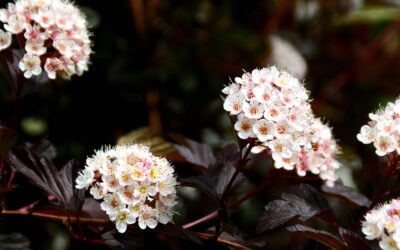
Indian hawthorn forms a naturally neat, rounded shape without much shaping, which is a big part of its appeal. Most landscape varieties mature at 3 to 5 feet tall and wide, though compact selections like ‘Ballerina’ stay near 2 to 3 feet and larger types can reach 5 to 6 feet. The leathery, dark green leaves are evergreen, giving structure and cover all year. In early to mid spring, clusters of fragrant pink or white flowers cover the plant, attracting bees and butterflies, and by fall those blooms become small blue-black berries that birds eat.
Popular cultivars include ‘Pink Lady’ and ‘Springtime’ with pink flowers, ‘Snow White’ and ‘Clara’ with white blooms, and disease-resistant introductions bred specifically to shrug off leaf spot. Choosing a resistant variety at the nursery is the single best decision you can make with this plant.
Hardiness and Climate
This is a warm-climate shrub, hardy in USDA zones 8 through 10 and marginal in the warmer parts of zone 7, where a hard freeze can damage foliage and flower buds. It tolerates brief dips to around 10 to 15 degrees Fahrenheit but is not a plant for cold-winter regions. It is a staple throughout the Southeast, Gulf Coast, Texas, California, and the low-elevation Southwest. Its excellent salt tolerance also makes it a favorite for coastal landscapes where wind and salt spray kill less rugged shrubs.
Sun and Soil Requirements
Give Indian hawthorn full sun for the best flowering, densest growth, and, importantly, the best disease resistance. It will grow in part shade, but shade is exactly where the notorious leaf spot disease takes hold, so more sun is better. Six or more hours of direct light is ideal.
It needs well-drained soil above all. Soggy ground causes root rot and weakens the plant, so heavy clay should be amended with compost or the shrub planted in a raised bed. It tolerates a range of soil types and pH and, once established, is notably drought tolerant, another reason it dominates low-water commercial plantings.
Planting and Spacing
Plant in fall or early spring so roots establish before summer heat. Dig a hole twice as wide as the root ball and no deeper, set the crown slightly high to ensure drainage, backfill, and water in.
- Space plants 3 to 4 feet apart as individual mounds or a loose grouping.
- For a low hedge, tighten spacing to 2 to 3 feet so plants knit together.
- Water regularly the first season, then only during dry spells.
- Mulch with 2 to 3 inches of bark, keeping it off the stems, to conserve moisture.
Because the plant grows into a tidy mound on its own, resist the urge to plant too closely and then shear it into boxes, which promotes disease. Spacing that allows air to move between plants is your best defense against fungal problems.
The Leaf Spot Problem and How to Prevent It
The one real weakness of Indian hawthorn is Entomosporium leaf spot, a fungal disease that produces reddish-purple spots on the leaves, followed by yellowing and heavy leaf drop that can defoliate a plant. It thrives in cool, wet, humid conditions and spreads by water splashing spores from leaf to leaf. Older, non-resistant varieties planted in shade and watered overhead are the classic victims.
Prevention beats treatment. Start with resistant cultivars, plant in full sun with good spacing for airflow, and water at the base rather than with overhead sprinklers so the foliage stays dry. Rake up and dispose of fallen spotted leaves, which harbor spores. Avoid shearing the whole plant into a tight ball, since dense shearing creates humid, crowded interior growth. Where the disease is established, a copper or chlorothalonil fungicide applied in early spring and repeated during wet weather helps, but a badly infected non-resistant plant is often best replaced with a resistant one.
Pruning and Feeding
Because it grows into a natural mound, Indian hawthorn needs little pruning. Prune right after it finishes blooming in late spring, since it sets next year’s flower buds in summer and pruning later removes them. Remove dead or damaged branches and lightly shape as needed. Avoid hard shearing, which spoils the informal form and encourages disease. Feed lightly in early spring with a balanced or acid-loving shrub fertilizer if growth is weak, though established plants in decent soil often need no feeding at all.
Design Uses
Indian hawthorn is a workhorse for foundation plantings, low informal hedges, mass plantings on slopes, and coastal gardens. Its compact size suits it to beds beneath windows where taller shrubs would need constant cutting. It combines well with other warm-climate evergreens and with perennials that share its sun and drainage needs, and its spring flowers and fall berries give it more seasonal interest than most workhorse shrubs. Plant a disease-resistant variety in full sun with room to breathe, water at the base, and the Indian hawthorn shrub will give you evergreen structure and spring bloom with barely any attention.
Choosing the Right Variety
The single most important buying decision is disease resistance, because susceptibility to leaf spot varies enormously among cultivars. Older selections were notoriously prone to it, and much of the plant’s mixed reputation comes from those varieties defoliating in humid gardens. Newer, resistant introductions have largely solved the problem, so ask specifically for a leaf-spot-resistant cultivar at the nursery. Beyond disease, match size and flower color to your use. For low foundation beds and edging, compact forms like ‘Ballerina’ and dwarf pink selections stay around 2 to 3 feet and need almost no pruning. For a taller informal hedge or screen, larger types reaching 4 to 6 feet give more height. Flower color runs from clear white through soft and deep pink, and some varieties offer bronzy-red new growth that adds a second season of color. A little research before you buy prevents the two classic regrets: a disease-prone plant and one that outgrows its spot.
Growing Indian Hawthorn in Containers
Its naturally mounded, self-shaping habit and modest size make Indian hawthorn a strong container plant, useful for flanking an entry, anchoring a patio grouping, or bringing evergreen structure to a deck. Choose a pot at least 16 to 18 inches wide with good drainage holes, since soggy soil is fatal to this plant, and use a quality potting mix rather than heavy garden soil. Place the container in full sun for the best bloom and disease resistance, and water when the top inch or two of mix feels dry, more often in summer heat. Feed lightly in spring with a slow-release shrub fertilizer. In climates near the cold edge of its range, a container also gives you the option to move the plant to a sheltered spot or against a warm wall during an unusual freeze. Refresh the top layer of potting mix each spring, and every couple of years root-prune and repot to keep a container specimen healthy and blooming.
Long-Term Care and What to Expect
An established Indian hawthorn is one of the lowest-maintenance shrubs you can grow in a warm climate, but a few habits keep it looking its best over the years. Because it holds a naturally tidy mound, the temptation to shear it into a formal shape should be resisted; shearing creates dense, humid interior growth that invites leaf spot and spoils the informal form that makes the plant attractive. Instead, do a light hand-prune right after bloom and otherwise leave it alone. Watch for the plant slowly outgrowing its space over five to eight years, and if it does, a moderate renewal pruning after flowering brings it back into bounds. Keep the base free of fallen, spotted leaves that harbor fungal spores, maintain a 2- to 3-inch mulch layer to conserve moisture and suppress weeds, and water deeply during prolonged drought even though the plant is drought tolerant once established. Do these small things and a well-sited Indian hawthorn will give you evergreen structure, spring flowers, and fall berries for 15 to 20 years with barely any attention.
Pests and Problems to Watch
Beyond leaf spot, Indian hawthorn is bothered by few pests, but a handful are worth knowing. Aphids sometimes cluster on tender new growth in spring and can be knocked off with a strong spray of water or treated with insecticidal soap if numbers climb. Scale insects occasionally attach to stems and leaf undersides, showing up as small bumps and sticky honeydew; horticultural oil applied in the dormant season smothers them. Fire blight can blacken shoot tips in warm, wet springs, and the fix is to prune out affected wood 8 to 12 inches below the damage, disinfecting your shears between cuts. Overwatering and poor drainage cause more Indian hawthorn deaths than any insect, so if a plant declines with yellowing leaves and no obvious pest, suspect wet roots first and correct the drainage before reaching for a spray.