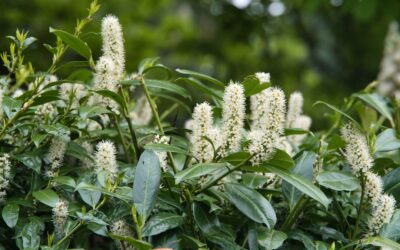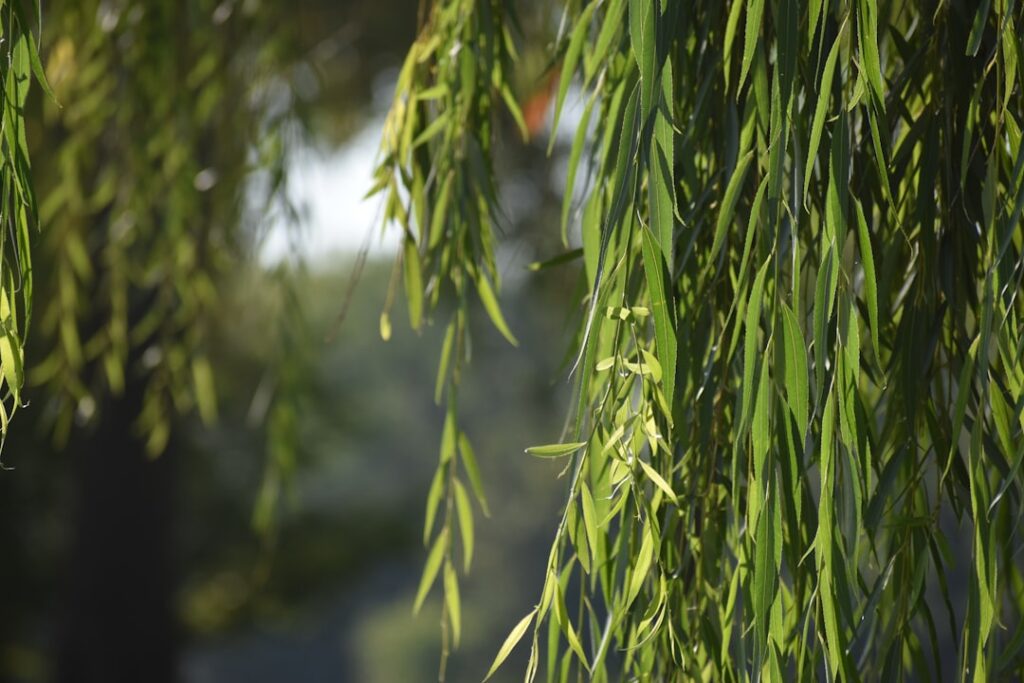
A willow shrub can transform a soggy corner of your yard from a problem into a highlight, thriving in the wet, low-lying ground where most landscape plants sulk or die. Willows belong to the genus Salix, and the shrubby species are fast, tough, and endlessly useful, whether you want spring catkins, variegated pastel foliage, or a living screen that fills in almost overnight. If you have ever fought a poorly drained spot, a willow may be the plant that finally works there.
Popular Willow Shrub Types
The genus is large, but a handful of shrub willows dominate home landscapes, and picking the right one matters because their sizes and looks differ dramatically:
- Dappled willow (Salix integra ‘Hakuro-nishiki’): pink-and-white new growth aging to green-and-white; 4 to 6 feet as a shrub
- Pussy willow (Salix discolor): famous silvery spring catkins; 6 to 15 feet, often cut back to stay smaller
- Arctic willow / blue arctic willow (Salix purpurea ‘Nana’): fine blue-green foliage; 3 to 5 feet, excellent low hedge
- Dwarf willows: compact selections for small gardens and rain gardens
Each of these responds to hard pruning by pushing bright, vigorous new stems, which is exactly the growth you want for color and catkins.
Hardiness and Growth Rate
Most shrub willows are cold-hardy, generally thriving in USDA zones 4 through 9 depending on the species. Dappled willow does best in zones 4 through 9, pussy willow in zones 4 through 8, and blue arctic willow in zones 4 through 6 or 7. They tolerate harsh winters far better than heat and humidity, so gardeners in the Deep South sometimes struggle to keep them looking fresh through August.
Speed is the willow’s signature trait. These are among the fastest-growing woody plants you can buy, often adding 2 to 4 feet in a single season on young, well-watered plants. That vigor is a gift when you want quick screening and a warning when you plant one too close to a structure.
Mature Size and Spacing
Size varies widely by type, so match the plant to the space:
- Dappled willow: 4 to 6 feet tall and wide; space 4 to 5 feet apart
- Pussy willow: 6 to 15 feet; space 6 to 8 feet, or coppice to keep at 5 to 6 feet
- Blue arctic willow hedge: space 18 to 24 inches apart for a dense low hedge
Sun, Soil and Water Needs
Willows love sun and moisture, and that combination is the key to keeping them happy. Give them full sun to light shade; the variegated types show their brightest color in full sun. As for water, this is where willows shine. They flourish in consistently moist to wet soil, along pond edges, in rain gardens, and in the boggy spots that defeat other shrubs. Their thirsty roots even help draw down excess water.
That same thirst is a caution. Willow roots aggressively seek water, so keep them well away from septic lines, drain fields, sewer pipes, and foundations, generally at least 30 to 50 feet for the larger types. In average garden soil, willows grow fine but need regular watering during dry spells; they are not drought-tolerant plants. They tolerate a wide pH range and handle clay well as long as it stays moist.
Planting a Willow Shrub
Plant in early spring or fall. Dig a hole as deep as the root ball and twice as wide, set the plant at the same depth it grew in the pot, and backfill with native soil. Water thoroughly and mulch to hold moisture. Willows are so eager to root that many gardeners start new plants for free simply by sticking a pencil-thick cutting into moist ground in spring; it often roots within weeks. This makes willows one of the cheapest ways to fill a large wet area.
Pruning for Color and Vigor
Pruning is where you control both the size and the show. The brightest stem color and the most catkins come from young wood, so an annual hard cut keeps a willow looking its best.
For dappled willow, cut the whole plant back hard in late winter, removing up to a third or even more of the top growth, to force a flush of vivid pink new leaves. For pussy willow, prune right after the catkins fade in spring, since next year’s catkins form on this year’s new growth; cutting a few branches for indoor arrangements does double duty. Coppicing, cutting nearly to the ground every year or two, keeps large willows shrub-sized and rejuvenates old, woody plants that have grown leggy.
Feeding and General Care
Willows are not heavy feeders, especially in decent soil. A single application of a balanced slow-release fertilizer in early spring supports the vigorous growth these plants are known for. Fresh mulch each spring conserves the moisture willows crave and suppresses competing weeds. Beyond watering during dry weather and the annual prune, they ask very little.
Propagating New Willows for Free
One of the most satisfying things about growing a willow shrub is how easily it multiplies. Willows contain natural rooting hormones so potent that gardeners once soaked other cuttings in “willow water” to help them root. To make new plants, cut pencil-thick, foot-long lengths of dormant stem in late winter or early spring, push the bottom third into moist soil where you want a new shrub, and keep the ground damp. Within a few weeks, roots and shoots emerge, and by summer you have an established young plant. This makes willows the cheapest possible way to fill a large wet area or establish a long living screen without buying dozens of nursery plants.
The same rooting vigor means you should never leave willow prunings lying on moist ground unless you want more willows, and you should keep cut stems out of drainage ditches where they can root and clog the flow. That eagerness to grow is the willow’s whole character in a nutshell.
Fall Color and Seasonal Interest
Because willows are deciduous, they offer a changing show through the year rather than static evergreen structure. Spring brings fresh foliage and, on pussy willow, the famous silvery catkins. Summer is the peak of the variegated types’ pastel color. In fall, many shrub willows turn soft yellow before dropping their leaves, and winter reveals the colorful young stems, which glow in warm gold and reddish tones on plants that were cut back hard the previous season. Planting a willow where low winter sun can backlight those bare colored stems turns a dormant shrub into a genuine cold-season feature.
Pests and Problems
Willows are fast and tough, but their soft, lush growth attracts a predictable list of pests and issues:
- Aphids: common on tender new shoots; usually cosmetic and controlled by a hose spray or beneficial insects
- Willow leaf beetle and sawfly: chew foliage; hand-pick or treat heavy infestations
- Powdery mildew and leaf spot: more likely in crowded, poorly ventilated plantings
- Canker and dieback: prune out affected wood promptly to stop the spread
- Brittle branches: willow wood is weak and can break in storms, so keep large types away from patios and parked cars
Deer occasionally browse willows, but the plants grow back so quickly that damage rarely proves fatal.
Using Willows in the Landscape
A willow shrub is the answer to design problems other plants cannot solve. Plant a row of blue arctic willow as a soft, fine-textured hedge. Use a dappled willow as a pastel focal point near a water feature, or train one into a standard on a single trunk for a lollipop of variegated foliage. Line a pond or stream bank with pussy willows and harvest the catkins each spring for arrangements. In a rain garden, willows manage runoff while looking intentional and attractive.
Give a willow shrub sun, steady moisture, and a yearly hard prune, and you get fast, dramatic results in the exact spots where gardening is usually hardest. Just respect those water-seeking roots, keep them clear of pipes and foundations, and let the willow do what it does best: grow, and grow fast.