If you love the look of a clipped boxwood but want something with a slightly softer texture, the japanese holly shrub is the plant to know. Ilex crenata reads almost exactly like boxwood from a few feet away, with tiny glossy leaves and a dense, shearable habit, yet it belongs to the holly family and carries small black berries instead of the red ones people expect. As boxwood blight has spread, more landscapers have leaned on Japanese holly as a blight-proof stand-in for hedges and topiary. It is a genuinely tough shrub, but it has one firm demand: it will not tolerate wet feet, and root rot in poorly drained soil is what kills most of them.
What Japanese Holly Looks Like
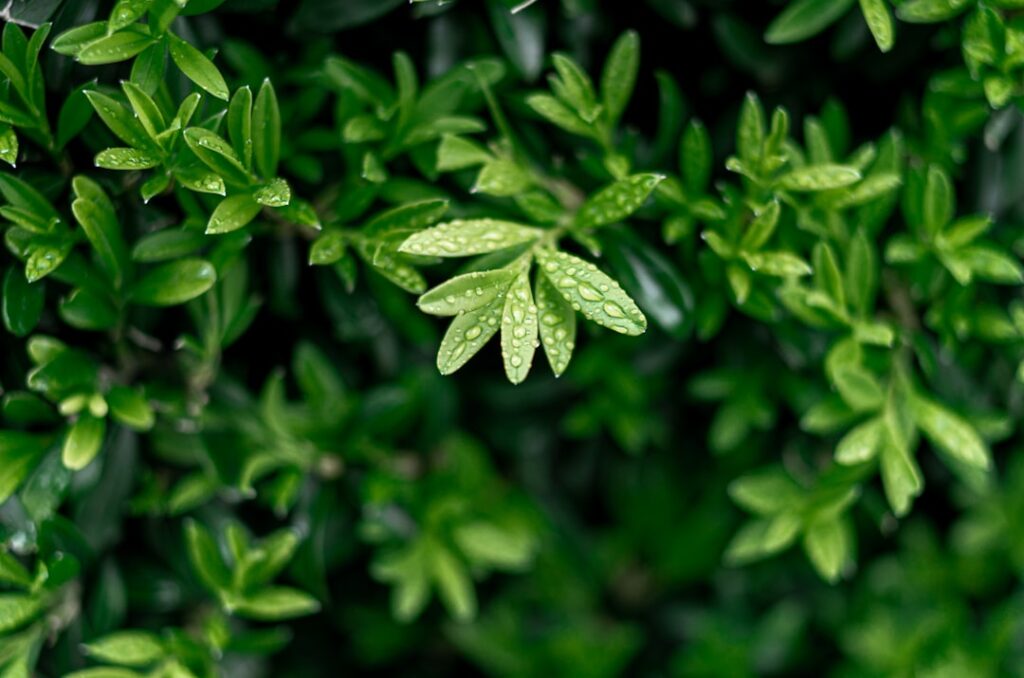
Japanese holly is a broadleaf evergreen with small, oval to oblong leaves usually half an inch to an inch long, finely toothed along the edges and deep green with a waxy sheen. The growth is dense and twiggy, which is exactly why it shears into such crisp shapes. Unlike showy hollies, the flowers are tiny and greenish-white in spring, and female plants set small black drupes in fall that birds pick at. Mature size varies enormously by cultivar, from foot-tall groundcover types to upright forms reaching 8 to 10 feet, so the variety you choose matters as much as any care step.
Best Varieties to Plant
Pick the cultivar to fit the job rather than shearing a big variety down to a small space.
- Helleri — a dwarf mound, 3 to 4 feet tall and slightly wider, zones 5 to 8. The go-to for low, rounded foundation plantings.
- Compacta — 4 to 6 feet, dense and rounded, excellent as a medium hedge.
- Sky Pencil — a striking narrow column, 6 to 8 feet tall but only 1 to 2 feet wide, zones 6 to 8. Perfect for tight vertical accents and doorway framing.
- Steeds — an upright pyramid, 5 to 8 feet, good for a formal clipped shape.
- Soft Touch — 2 to 3 feet with gracefully arching, softer branches, zones 6 to 9.
- Convexa — 4 to 9 feet, spreading, with cupped convex leaves and strong cold hardiness.
Sun, Zones, and Climate
Japanese holly is generally hardy in USDA zones 5 through 8, with some cultivars comfortable into zone 9. It grows best in full sun to part shade, ideally six hours of direct light for the densest habit. In deep shade the plant thins out and stretches, losing the tidy form that is the whole point of growing it. In the hottest southern zones, a bit of afternoon shade eases heat stress. This shrub prefers a temperate climate and can struggle in regions with severe winter wind or intense reflected heat, so give it a sheltered spot rather than an exposed corner where cold, dry wind can burn the foliage.
Soil: The Make-or-Break Factor
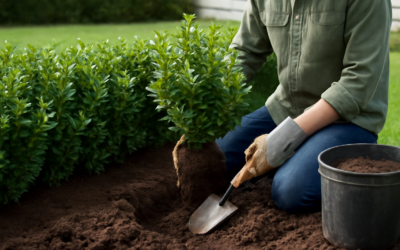
Here is where Japanese holly differs sharply from boxwood. It wants acidic soil, a pH between 5.5 and 6.5, and it will develop yellowing, chlorotic leaves in alkaline ground because iron and other nutrients lock up. If your soil runs sweet, amend with elemental sulfur or an acidifying fertilizer and confirm with a soil test. Above all, the soil must drain freely. Japanese holly’s roots suffocate and rot in standing water, and Phytophthora and black root rot both take hold in soggy, compacted ground. If your site holds water, build a raised bed or berm and blend in compost and coarse material to open the soil. Plant so the top of the root ball sits an inch above grade, mulch with 2 to 3 inches of shredded bark or pine straw kept off the stems, and you have solved the single most common cause of failure.
Planting and Spacing
The best planting windows are early spring and early fall, when soil is warm but air is cool enough to limit stress. Dig the hole two to three times as wide as the root ball but only as deep, loosen the sides so roots can push out, and backfill with the native soil improved with a little compost. Water it in thoroughly to settle the soil around the roots.
Spacing depends on the design. For a solid hedge, set dwarf types like Helleri about 2 to 3 feet apart on center, and taller varieties 3 to 4 feet. Sky Pencil columns can go as close as 2 feet apart for a living screen. Specimens meant to stand alone should get their full mature width. During the first growing season, water deeply once or twice a week so the shallow root system establishes; after that, an inch of water weekly during dry spells is plenty.
Watering and Feeding
Once established, Japanese holly has moderate water needs and some drought tolerance, but it is not a plant you can neglect in a heat wave. Keep the soil evenly moist, never sodden. The most common watering mistake is overdoing it in heavy soil, which slides straight into root rot. Check the top few inches before watering; if it is still damp, wait. Feed in early spring with a fertilizer formulated for acid-loving evergreens, the same type you would use on azaleas and hollies, following label rates. A spring feeding supports the flush of new growth and helps maintain that deep green. If leaves turn pale or yellow between the veins, suspect high pH or an iron deficiency rather than a lack of general fertilizer, and correct the soil chemistry.
Pruning and Shaping
Japanese holly is one of the most pruning-friendly shrubs you can grow, which is why it rivals boxwood for topiary and formal hedges. The main window is late spring, after the first flush of growth has firmed up, with a lighter touch-up possible in early summer. Avoid heavy pruning in late summer or fall, since the tender regrowth will not harden before winter and will burn. When shaping a hedge, keep the base a little wider than the top so light reaches the lower branches and the plant does not go bare at the bottom. For denser plants, thin some interior branches by hand to let air and light into the center, which also discourages fungal problems. Japanese holly takes hard renewal pruning well too, so an overgrown, woody plant can be cut back hard in early spring and will resprout from old wood, something boxwood does far less reliably.
Pests and Diseases to Watch
The two problems that actually threaten Japanese holly are root rot and spider mites. Root rot, from Phytophthora or the black root rot fungus Thielaviopsis, shows up as overall decline, wilting, and dieback in wet or heavy soil, and it is almost always a drainage issue at its root. Prevention through good siting beats any treatment. Spider mites attack in hot, dry weather, stippling and yellowing the foliage and leaving fine webbing; knock them back with a strong hose spray and horticultural or neem oil, and keep plants well watered so they do not become stressed and vulnerable. Scale insects and leafminers occasionally appear but rarely cause serious damage. Winter burn, browning from cold wind, is common on exposed plants, so an anti-desiccant spray or a burlap windbreak helps in harsh sites. Handle drainage and mites, and this shrub will stay handsome for many years.
Japanese Holly Versus Boxwood
Because the two plants look so alike, it is worth knowing when to choose one over the other. Japanese holly is immune to boxwood blight, the disease that has devastated boxwood hedges, which alone makes it the safer bet in regions where blight is established. It also resprouts reliably from old wood, so a neglected, overgrown plant can be renovated with a hard cut, something boxwood does poorly. On the other hand, boxwood prefers slightly alkaline soil while Japanese holly demands acidic ground, so your existing soil chemistry may make the decision for you. Boxwood also tends to hold a slightly better green through cold winters, whereas Japanese holly can bronze or brown in exposed sites. If you already fight yellowing chlorosis or your soil is naturally sweet, boxwood may be less trouble; if blight is a concern and your soil runs acidic, Japanese holly is the smarter, lower-risk choice. Many landscapers now mix both, using Japanese holly wherever airflow is poor and disease pressure is highest, and reserving boxwood for the showcase spots where its density and cold-season color earn the extra care. Whichever you plant, the fundamentals stay the same: sharp drainage, the right soil pH, six hours of sun, and a yearly spring shearing to keep the plant tight and full.