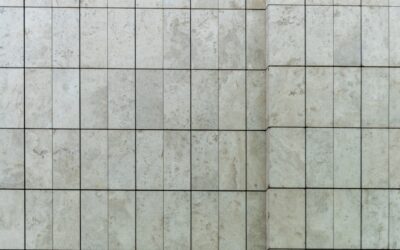
Flat tile is having to share the spotlight. Fluted tile, with its repeating ridges and grooves, has become one of the most requested wall finishes for homeowners who want texture, shadow, and a sense of depth that a smooth surface cannot provide. Inspired by classical fluted columns, the design plays with light to create vertical movement that makes a wall feel rich and tactile. This guide covers the materials available, the best places to use it, how it installs, and what it costs.
Part of our Tile & Grout guide — explore the full guide →
What Fluted Tile Is
Fluted tile features a series of rounded, parallel ridges molded into the surface, similar to corduroy fabric rendered in ceramic or stone. As light hits the ridges, it creates gentle highlights and shadows that shift as you move past, giving the wall a dynamic, sculptural quality. The grooves usually run vertically, which adds a sense of height to a room.
It is primarily a decorative wall tile. The three-dimensional surface is the entire point, so it is meant to be seen and felt rather than walked on, which keeps it firmly in the realm of feature walls and vertical surfaces.
Materials and Finishes
Fluted tile is produced in several materials, each with a different feel.
- Ceramic and porcelain — the most common; durable, easy to clean, and available in many colors.
- Glazed clay — handmade-look versions with color variation and a soft sheen.
- Natural stone — marble and limestone fluted tiles for a high-end, organic look.
- Glass — translucent ridges that catch and refract light.
Finish dramatically changes the effect. Matte glazes emphasize the soft shadow play, while glossy finishes add reflective shine along each ridge. Color ranges from neutral whites, greiges, and terracottas to bold greens and blues for a statement wall.
Where to Use Fluted Tile
The texture shines in spots where it can become a focal point. Popular applications include:
- Bathroom feature walls — behind a vanity or freestanding tub for a spa-like feel.
- Shower walls — adds interest, though the grooves need diligent cleaning.
- Kitchen backsplashes — a textured alternative to flat subway tile.
- Fireplace surrounds — the ridges catch firelight beautifully.
- Accent and entry walls — instant architectural character.
Because vertical flutes draw the eye upward, the tile works especially well in rooms where you want to emphasize ceiling height.
Design Considerations
A few choices control how the finished wall reads. Running the flutes vertically heightens a room; running them horizontally widens it. Pairing fluted tile with a grout color that matches the tile lets the texture, not the grout lines, be the star. Lighting is crucial: place fixtures so light grazes across the ridges, which maximizes the shadow effect and makes the surface come alive.
Keep the rest of the room relatively simple. Fluted tile is busy by nature, so it pairs best with clean cabinetry, solid colors, and uncluttered surroundings that let the texture breathe.
Installation Tips
Fluted tile installs much like other wall tile, but alignment is more critical because misaligned ridges are obvious to the eye.
- Start with a flat, properly prepared substrate and the correct thin-set for the material.
- Dry-lay a section to confirm the ridges align continuously from tile to tile.
- Keep tiles perfectly level and plumb so the flutes form unbroken vertical lines.
- Cut edge pieces carefully with a wet saw; the ridged surface needs steady, slow cuts.
- Grout carefully and wipe diagonally so you do not pull grout out of the grooves.
Because the surface is uneven, grouting takes extra patience. Work grout into the joints without packing it into the decorative flutes, and clean the surface before it hazes over.
What It Costs
Fluted tile sits at the premium end of wall tile because of the molded texture. Ceramic and porcelain versions generally run roughly $10 to $25 per square foot. Glazed handmade-look and glass tiles land around $20 to $40, and natural stone fluted tile can reach $30 to $60 or more per square foot. Professional installation adds labor, often a bit higher than flat tile because of the careful alignment and grouting required.
Cleaning and Care
The grooves that make fluted tile beautiful also collect dust and, in wet areas, soap scum. For glazed ceramic, porcelain, and glass, a soft cloth or soft brush with mild cleaner clears the ridges easily; avoid abrasive pads that can scratch glossy surfaces. In showers, rinse the wall after use and wipe periodically to keep buildup out of the grooves. Natural stone needs a stone-safe cleaner and periodic sealing to resist staining and etching.
Fluted Tile vs Other Textured Tiles
Several textured tiles compete for the same feature-wall role, and each has a distinct personality. Three-dimensional geometric tiles create sharp, faceted shadows for a bold modern look, while picket and elongated hex tiles add pattern through shape rather than relief. Fluted tile sits in a softer, more architectural lane, with its rounded vertical ridges reading as classic and elegant rather than edgy.
If you want subtle, light-catching texture that flatters both traditional and modern rooms, fluted is the versatile pick. For a more graphic, attention-grabbing statement, a faceted 3D tile may suit better. Many homeowners gravitate to fluted because it adds depth without overwhelming the rest of the room.
Pairing Fluted Tile in a Room
Because the texture is the star, surrounding finishes should support rather than compete with it. Pair a neutral fluted wall with simple cabinetry, solid countertops, and clean-lined fixtures so the ridges remain the focal point. A monochromatic palette, where the tile, grout, and nearby surfaces share a tone, lets the shadow play carry the design.
Metal accents work especially well with fluted tile. Brass, matte black, or brushed nickel fixtures stand out against the ridged backdrop and add a layer of contrast. In a bathroom, a fluted feature wall behind a freestanding tub paired with a simple floor and minimal decor creates a calm, spa-like result.
Final Thoughts
For a wall with genuine depth and character, fluted tile brings a sculptural, light-catching quality that flat tile cannot match. Choose a material suited to its location, align the ridges carefully, and light the wall to show off the texture, and you will have a feature that feels both classic and thoroughly modern.
Prefer to explore on your own?
See how new flooring looks in your actual room in seconds — free, no signup.
Try the free Floor Studio →