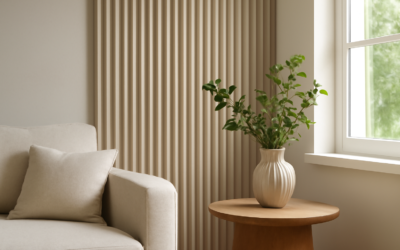
Fluted wall tile has become one of the most requested finishes for kitchens, bathrooms, and feature walls because it brings movement and shadow to surfaces that would otherwise read flat. The defining feature is a series of vertical (or sometimes horizontal) ridges molded directly into the face of the tile. When light hits a wall of fluted wall tile, those ribs catch highlights along their crests and pool soft shadows in the grooves, giving you a tactile, three-dimensional surface from materials as durable as ceramic, porcelain, or natural stone.
Part of our Tile & Grout guide — explore the full guide →
If you have been scrolling through design photos and noticed walls that look like rows of slim, rounded columns, you have already seen this style in action. Below, you will find what fluted tile actually is, where it works best, the practical trade-offs, and how to plan an installation that looks intentional rather than busy.
What Fluted Wall Tile Actually Is
Fluting is a decorative profile, not a separate material. The term comes from architecture, where “flutes” are the vertical grooves carved into classical columns. Tile manufacturers recreate that look by pressing or extruding ridges into the clay body before firing. You will most often find the profile on porcelain and ceramic, though it also shows up in cast plaster, glass, and carved marble or travertine.
The ridges typically range from narrow pencil-width reeds to broad, gentle waves an inch or more across. Half-round (convex) flutes are the most common, but you will also see V-grooves and squared channels. Because the surface relief is part of the tile itself, the texture is permanent and will not wear off the way a printed pattern might.
Where Fluted Tile Works Best
This finish shines anywhere you want a focal point. Behind a bathroom vanity, the vertical lines visually lift the ceiling and make a small room feel taller. As a kitchen backsplash, fluting adds quiet interest without the busyness of a bold pattern. It is also a favorite for shower walls, fireplace surrounds, powder rooms, and entryway accent walls.
Keep a few placement rules in mind. Vertical flutes draw the eye up and are flattering in rooms with lower ceilings, while horizontal runs can make a narrow space feel wider. Because the texture already does a lot of work, pair it with simple cabinetry, plain countertops, and restrained hardware so the wall stays the star.
Materials and Finishes to Consider
Porcelain is the workhorse choice. It is dense, water-resistant, and rated for wet areas like showers, and it comes in matte, satin, and glossy glazes plus a wide range of solid colors. Ceramic costs a little less and suits lighter-duty walls. Natural stone fluting, carved from marble or limestone, delivers a luxe look but is porous and needs sealing.
- Matte glazes soften the shadow lines for a calm, modern feel.
- Glossy glazes maximize the play of light and make colors pop.
- Zellige-style handmade looks add subtle color variation across the wall.
- Stone brings natural veining but requires periodic resealing.
Sizes, Layout, and Planning
Fluted tiles come in many formats, from small mosaic-mounted sheets to large-format planks measuring 12 inches wide and 24 to 48 inches tall. Larger pieces mean fewer grout lines and a cleaner, more continuous run of flutes, which is usually the goal with this style.
Plan your layout so the ridges align perfectly from tile to tile. Misaligned flutes are immediately obvious and ruin the seamless effect. Dry-lay a section first, mark your reference lines, and account for where the pattern meets outlets, niches, and corners. Order roughly 10 to 15 percent extra to cover cuts and the occasional cracked piece. As a rough budget, expect material costs commonly in the range of $8 to $30 per square foot depending on material and brand, with specialty stone running higher.
Installation Basics
Installing fluted tile follows the same fundamentals as any wall tile, with a few extra cautions because of the relief. Start with a flat, clean, properly prepared substrate; in wet areas, that means a waterproofing membrane or backer board behind the tile.
- Snap level and plumb reference lines so your flutes run true.
- Use a notched trowel and a polymer-modified thin-set rated for your tile and location.
- Back-butter large-format pieces for full coverage and to prevent hollow spots.
- Keep grout joints consistent, and align ridges across every seam.
- Clean grout haze promptly so it does not settle into the grooves.
Because aligning the flutes is unforgiving and large-format pieces are heavy, this is a project where hiring an experienced tile installer often pays off. Always follow the tile and adhesive manufacturer’s instructions for trowel size, open time, and grout selection.
Cleaning and Maintenance
The same grooves that make fluted tile attractive can also collect dust, soap scum, and grime, so cleaning takes a little more attention than a flat wall. For routine care, wipe the surface with a soft cloth or sponge and a mild pH-neutral cleaner, working a soft brush gently along the grooves to lift buildup. Avoid abrasive pads that could scratch a glaze.
In showers, squeegee the wall after use and run the exhaust fan to limit soap scum and mineral deposits. If you chose natural stone, reseal it on the schedule the manufacturer recommends and skip acidic cleaners like vinegar, which can etch the surface. Sealed grout also resists staining and makes the grooves easier to keep clean.
Is Fluted Wall Tile Right for You?
Choose fluted tile when you want architectural texture that feels current but is rooted in classic design, and when you are comfortable with slightly more involved cleaning and a more demanding install. It rewards careful planning with a wall that looks custom and catches the light beautifully throughout the day.
If your space sees heavy splatter, lots of dust, or you want a truly low-maintenance surface, a flat tile may serve you better, or you might reserve the fluting for a single accent wall. Either way, ordering samples and viewing them under your own lighting before committing is the smartest move, because the depth and shadow of these tiles change dramatically depending on the light around them.
Prefer to explore on your own?
See how new flooring looks in your actual room in seconds — free, no signup.
Try the free Floor Studio →