The entryway takes more abuse than any other floor in the house, every muddy boot, dripping umbrella, and dropped key lands here first. A foyer tile floor is the go-to solution because tile shrugs off the dirt, water, and grit that would destroy wood or carpet at the door. But not all tile is equal for an entry, and a beautiful floor that’s slippery when wet is a hazard, not an upgrade. Here’s how to choose tile that’s tough, safe, and good-looking.
Why Tile Excels in the Foyer
The foyer is a transition zone between outdoors and in, so it needs to handle moisture, abrasion, and heavy foot traffic. Tile does all three. It’s waterproof when properly grouted and sealed, resists scratching from grit tracked in on shoes, and cleans up with a quick mop. Unlike wood, it won’t warp from a wet umbrella, and unlike carpet, it won’t trap the dirt of every visitor.
Durability: Porcelain Leads the Pack
For an entryway, durability is the top priority, and porcelain is the standout. Porcelain is denser and harder than standard ceramic, absorbs almost no water, and stands up to the grit and impact of a busy door.
- Porcelain — hardest and most water-resistant; ideal for high-traffic foyers.
- Ceramic — more affordable and fine for lower-traffic entries, but softer than porcelain.
- Natural stone — beautiful (slate, travertine, granite) but needs sealing and more upkeep.
Check the tile’s PEI rating, which measures wear resistance. For a foyer, look for PEI 4 or 5, rated for heavy residential and even commercial traffic.
Slip Resistance Is Non-Negotiable
A foyer floor gets wet, and a slick tile becomes dangerous the moment someone steps in from the rain. This is the single most important safety factor. Look for tiles with a textured or matte finish and a higher coefficient of friction (often listed as a DCOF rating; 0.42 or higher is the common benchmark for wet areas).
- Matte and textured finishes — far safer underfoot when wet than glossy tile.
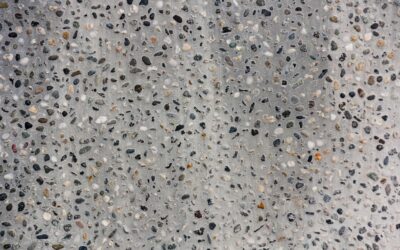
- Smaller tiles or mosaics — more grout lines add traction in a high-splash entry.
- Avoid high-gloss polished tile — it looks elegant but turns treacherous when wet.
Patterns and Style
The foyer sets the tone for the whole home, so it’s a great place for a little personality. Because the space is usually small, you can splurge on a statement floor without a huge material cost.
- Patterned encaustic-look porcelain — bold, decorative, and on-trend for entries.
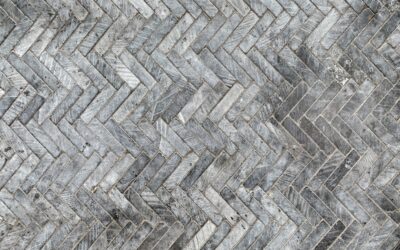
- Herringbone or chevron layouts — add movement and a custom feel.
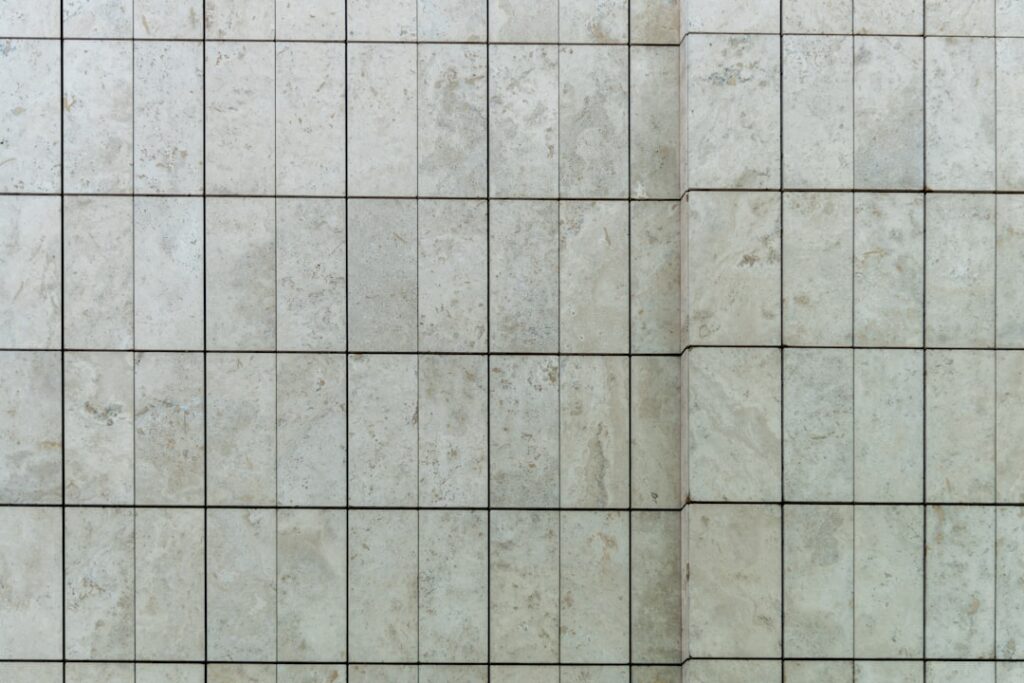
- Large-format tiles — fewer grout lines for a clean, modern look in bigger foyers.
- Border or inlay designs — define the entry zone within an open floor plan.
Darker tones and patterns hide tracked-in dirt better than light, solid colors, a practical bonus in a space that sees the most grime.
Transitioning to Other Floors
Most foyers open into rooms with different flooring, hardwood, vinyl, or carpet, so the transition matters. A clean transition keeps the floors looking intentional and prevents tripping. Use a T-molding or transition strip where tile meets wood or laminate, and a tile-to-carpet transition strip where it meets carpet. Aim to keep adjacent floor heights as level as possible; a flush transition looks best and is safest.
For an open layout, a contrasting tile inlay or a defined border can mark where the foyer ends and the living space begins, even without a doorway.
Grout: The Detail People Regret Ignoring
In a foyer, grout takes a beating and shows dirt fast. Choose a darker grout color that won’t telegraph every footprint, and use a quality grout sealer to keep it from absorbing stains and moisture. Epoxy grout costs more but resists staining and water far better than standard cement grout, a worthwhile upgrade in a high-traffic, often-wet entry.
Honest Pros and Cons
Tile isn’t perfect, so weigh both sides.
- Pros: extremely durable, waterproof, easy to clean, scratch-resistant, huge style range.
- Cons: hard and cold underfoot, can be slippery if you pick the wrong finish, grout needs maintenance, professional installation adds cost.
The cold, hard surface is the most common complaint. A radiant heat mat under the tile or a runner rug at the door solves both comfort and slip concerns.
Sizing and Layout Tips
Tile size shapes how the foyer feels. Large-format tiles, 12-by-24 inches or bigger, create fewer grout lines and make a small entry look larger and more modern. Smaller tiles and mosaics add traction and detail but mean more grout to maintain. Match the scale to your space: big tiles for clean simplicity, small tiles or patterns for a decorative statement.
Layout matters too. A straight grid is timeless, while a diagonal set can make a narrow foyer feel wider. Herringbone and basketweave patterns add craftsmanship and movement. Whatever layout you choose, dry-lay the tiles first to plan cuts and avoid thin slivers at the most visible edges.
Maintenance and Care
A foyer tile floor is low-maintenance, but a little routine care keeps it looking sharp. Sweep or vacuum regularly to remove the grit that can dull the finish over time, and damp-mop with a pH-neutral cleaner. Place a doormat outside and a washable rug inside to catch the worst of the dirt and water before it reaches the tile.
- Sweep often to keep abrasive grit off the surface.
- Damp-mop with a neutral cleaner, avoiding harsh acids on stone.
- Reseal grout periodically, especially cement-based grout.
- Use mats at the door to trap dirt and reduce wear.
Natural stone needs more attention than porcelain, periodic sealing and stone-safe cleaners, so factor that in if you choose travertine, slate, or marble for the entry.
The Bottom Line
For an entryway that handles weather, traffic, and mess year after year, a foyer tile floor is the practical winner. Prioritize a PEI 4 or 5 porcelain with a matte, slip-resistant finish, choose a darker grout, and plan clean transitions to your other floors. Get those details right and your foyer will look sharp and stay safe through every season.
Prefer to explore on your own?
See how new flooring looks in your actual room in seconds — free, no signup.
Try the free Floor Studio →