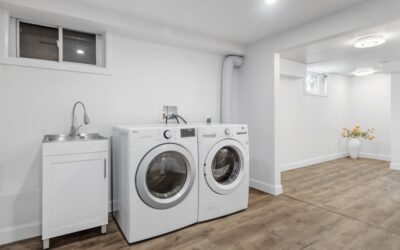
The laundry room floor takes more abuse than almost any other in the house: dropped detergent, condensation, the occasional washer overflow, and heavy appliances that vibrate against the surface. The best laundry floor tile ideas start with materials that shrug off water and wear, then layer in the color and pattern that make this hardworking room feel intentional rather than utilitarian. Tile is the ideal choice here precisely because it is waterproof, durable, and easy to clean, and today’s designs let you turn a purely functional space into one you actually enjoy using. This guide covers the materials, patterns, and practical details that make laundry tile both beautiful and bulletproof.
Part of our Tile & Grout guide — explore the full guide →
- Why Tile Is the Best Laundry Floor
- Patterned Porcelain for Personality
- Wood-Look and Stone-Look Tile
- Slip Resistance Matters
- Small Laundry Room Design Tricks
- Grout Choices for a Practical Floor
- Layout and Installation Tips
- Bringing It All Together
- Coordinating Floor and Wall Tile
- Budgeting for a Laundry Tile Floor
- Choosing Tile Size for a Laundry Room
Why Tile Is the Best Laundry Floor
Few rooms benefit from tile as clearly as the laundry. A washing machine can leak or overflow, and a waterproof floor is the difference between a quick mop-up and water damage to the subfloor and rooms below. Porcelain and ceramic tile handle standing water without swelling or staining, resist the humidity that comes with wet clothes, and stand up to the weight and vibration of heavy appliances.
Tile also cleans easily, which matters in a room that collects lint, spilled soap, and dirt tracked in from the garage or yard. Compared to vinyl, laminate, or wood, quality tile lasts longer and never fears a leak.
Patterned Porcelain for Personality
The laundry room is a low-stakes place to be bold, which is why patterned porcelain has become a favorite. Encaustic-look tiles with Moroccan, Victorian, or geometric patterns turn the floor into a statement without the cost or maintenance of real cement tile. Because the pattern is printed and fired into durable porcelain, it resists wear and needs no sealing.
Black-and-white patterns feel timeless and pair with almost any cabinet color. Bold blues, greens, and terracotta bring warmth and energy to a small space. Since laundry rooms are often compact, a strong patterned floor can carry the whole design, letting you keep walls and cabinets simple.
Wood-Look and Stone-Look Tile
If you prefer a calmer, more natural look, porcelain planks and slabs deliver it with tile durability. Wood-look porcelain planks bring the warmth of hardwood to a room where real wood would be a mistake, giving you a cozy feel that resists water completely. Laid in a straight or herringbone pattern, they read as authentic while handling spills without worry.
Stone-look porcelain in marble, slate, or concrete tones offers an upscale or industrial feel depending on the finish. Concrete-look tile in soft gray suits modern homes and hides dust and lint between cleanings. These neutral options work well if the laundry connects to a mudroom or kitchen and you want visual continuity.
Slip Resistance Matters
Wet floors and laundry go together, so traction is a real safety concern. Look at a tile’s slip rating before you buy. A textured or matte-finish tile grips far better than a high-gloss polished surface, which becomes dangerously slick when wet.
- Matte and honed finishes: Better traction underfoot when the floor is damp.
- Textured surfaces: Slate-look and structured tiles add grip.
- Smaller tiles or mosaics: More grout lines mean more traction, useful in front of the washer.
- Avoid high-gloss polished tile: Beautiful but slippery when wet.
Choosing a slip-resistant finish costs nothing extra and prevents falls in a room where water on the floor is a routine event.
Small Laundry Room Design Tricks
Many laundry rooms are tight, so the tile choice affects how large the space feels. Light-colored tiles and larger formats make a small room feel more open, while very dark tiles can make it feel closed in unless the room is bright. Large-format tiles also mean fewer grout lines, which reads as cleaner and less busy.
That said, a small room is exactly where a bold patterned floor works best, because there is not enough square footage for the pattern to overwhelm. If you go bold on the floor, keep everything else neutral. Running plank tile lengthwise down a narrow room visually stretches the space.
Grout Choices for a Practical Floor
Grout is often overlooked but crucial in a laundry room. Because the floor sees spills and lint, choose a grout color that hides dirt rather than a bright white that shows every mark. Gray, greige, or a shade that matches the tile keeps the floor looking clean between mopping.
Use an epoxy grout or a quality sealed cement grout for maximum stain and water resistance. Epoxy costs more and is harder to install but is nearly impervious to water and staining, a real advantage in a wet room. Keeping grout lines tight also reduces the surface area where grime collects.
Layout and Installation Tips
A few installation details ensure your laundry floor lasts. Install tile over a proper cement backer board or an uncoupling membrane, especially over a wood subfloor, to prevent cracking from the vibration of the appliances. Make sure the subfloor is stiff and flat, since flex leads to cracked tiles and grout.
Consider tiling before the appliances are set so the floor is continuous underneath, which looks better and protects the subfloor fully if a leak occurs. If your laundry has a floor drain, slope the tile slightly toward it. And plan the layout so cut tiles land in less visible spots and full tiles sit where the eye lands first.
Bringing It All Together
The best laundry floor tile ideas combine a waterproof, slip-resistant material with a look that makes the room feel finished. Choose porcelain for its durability, pick a matte or textured finish for traction, and decide whether you want a bold patterned statement or a calm wood- or stone-look field. Pair it with a stain-hiding grout and a solid installation over proper backer board, and you will have a laundry floor that survives leaks, vibration, and daily use while looking great for decades.
Coordinating Floor and Wall Tile
Many laundry rooms now feature tile on the walls too, at least as a backsplash behind the machines or a full accent wall. When you tile both, coordinate the two so they complement rather than compete. A common approach is a bold patterned floor paired with simple subway or solid wall tile, letting the floor be the star. Alternatively, a neutral floor lets a patterned or colored wall tile shine.
Keep the color palette cohesive by pulling one shade that appears in both the floor and wall. If the floor is busy, keep the walls calm, and vice versa. This balance prevents the small room from feeling chaotic while still giving it personality and a designed, finished look.
Budgeting for a Laundry Tile Floor
Laundry rooms are usually small, which keeps tile projects affordable. Material costs vary by tile: basic ceramic runs a few dollars per square foot, quality porcelain and wood-look planks fall in the middle, and patterned or premium stone-look tile costs more. For a typical laundry room of 40 to 80 square feet, the tile itself often totals a few hundred dollars.
Installation adds labor if you hire out, but the small footprint makes a laundry floor one of the more DIY-friendly tile projects, especially with modern uncoupling membranes that simplify the underlayment. Because the area is compact, this is a smart room to splurge on a tile you love, since even a premium option stays within a reasonable budget for the whole floor.
Choosing Tile Size for a Laundry Room
Tile size affects both the look and the practicality of a laundry floor. Large-format tiles, such as 12-by-24 or bigger, create fewer grout lines, which means less grout to clean and a more seamless, spacious feel in a small room. They suit modern, minimalist laundry spaces and pair well with wood-look and stone-look designs.
Smaller tiles and mosaics, on the other hand, add traction thanks to their extra grout lines and let you introduce pattern and detail. Penny rounds and hexagons bring vintage charm and grip underfoot, which is useful near the washer where water collects. Consider the size of the room too, since very large tiles in a tiny laundry can require many cuts around the appliances. Balance the look you want against the practical need for traction and easy cleaning.
Prefer to explore on your own?
See how new flooring looks in your actual room in seconds — free, no signup.
Try the free Floor Studio →