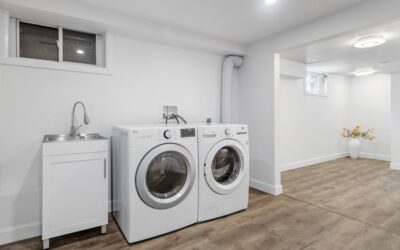
The laundry room is one of the few spaces in your home where a flooded floor is not a question of if, but when. A burst supply hose, an overflowing washer, or a leaking drain can dump gallons of water in minutes, which is exactly why tile is the smartest flooring choice for the room. A well-planned tile laundry room shrugs off water, resists the dents and scratches from heavy appliances, and cleans up with a quick mop. This guide covers the best tile types, slip safety, how to handle tile under appliances, and the grout and installation details that make the difference.
Part of our Tile & Grout guide — explore the full guide →
Why Tile Is Ideal for Laundry Rooms
Laundry rooms combine three challenges, moisture, heavy loads, and frequent spills, and tile handles all of them. Porcelain and ceramic are inherently water-resistant, so a leak that would ruin laminate or warp wood simply wipes away. Tile resists the dents from a heavy washer and dryer, tolerates detergent and bleach spills, and lasts for decades. Unlike vinyl, which can be punctured, or wood, which swells with moisture, properly installed tile is essentially impervious to the everyday hazards of the room.
Best Tile Types for Laundry Rooms
- Porcelain tile: The top choice. Denser and less porous than ceramic, it absorbs almost no water and handles heavy appliances and traffic with ease.
- Ceramic tile: A budget-friendly option that still resists water well, though slightly softer and more porous than porcelain.
- Porcelain wood-look planks: Give the warmth of wood with full water resistance, ideal if the laundry connects to living space.
- Natural stone: Beautiful but porous; it requires sealing and more maintenance, so it is a lower priority for a wet, hardworking room.
For most homeowners, porcelain offers the best balance of durability, water resistance, and value.
Slip Resistance Matters
A wet laundry floor is a slip hazard, so traction is not optional. Look for tile with a higher slip-resistance rating, often expressed as a coefficient of friction (COF) value, with textured or matte finishes offering better grip than high-gloss surfaces. Smaller tiles or mosaic patterns add more grout lines, which improve traction underfoot. A matte porcelain in a slightly textured finish gives you safety without sacrificing easy cleaning. Avoid polished, glassy tile in a room where water regularly hits the floor.
Handling Tile Under Appliances
One decision trips up many homeowners: do you tile under the washer and dryer or only up to them? Tile the entire floor, including under the appliances, for several reasons:
- Leak protection. A leak under the washer needs a waterproof surface, not exposed subfloor.
- Level footing. Appliances sit level and stable on a continuous tile surface, reducing vibration and walking.
- Future flexibility. You can rearrange or replace appliances without a visible flooring gap or height difference.
Plan for the appliance height: a continuous tile floor keeps the washer and dryer at a consistent level and lets pedestals or drain pans sit flat. Consider adding a drain pan under the washer and, in finished spaces, a floor drain for extra insurance against overflows.
Grout and Sealing Choices
Grout is the weak point in any wet-room tile job, so choose wisely. Epoxy grout is the gold standard for laundry rooms because it is waterproof, stain-resistant, and does not need sealing, perfect for handling detergent, bleach, and standing water. If you use standard cement-based grout, seal it after installation and re-seal periodically to keep moisture out. Choose a grout color that hides the inevitable detergent and lint marks rather than a stark white that shows every spill.
Subfloor and Waterproofing
Tile is only as good as what it sits on. A solid, properly prepared subfloor prevents cracked tiles and failed grout. On wood subfloors, install a cement backer board or an uncoupling membrane to handle movement and provide a stable base. For maximum protection, a waterproofing membrane under the tile turns the entire floor into a watertight pan, so even a major overflow stays contained. This step is especially valuable for upstairs laundry rooms where a leak could damage the ceiling below.
Comfort Considerations
Tile is hard and cold underfoot, which can be a downside in a room where you stand to fold laundry. Two easy solutions: add a cushioned anti-fatigue mat in front of the machines and folding area, or install electric radiant floor heating mats under the tile during construction for warm, comfortable floors year-round. Radiant heat is an affordable upgrade in a small room and pays off in comfort.
Design Ideas
A laundry room is a great place to have fun with tile because it is small and low-stakes. Patterned cement-look porcelain, classic black-and-white checkerboard, or a bold geometric design adds personality without a large material cost. Wood-look planks keep it warm and seamless with adjacent rooms. Whatever the look, keep slip resistance and water performance at the top of your priority list.
Installation Tips for a Lasting Floor
A few details separate a laundry tile floor that lasts decades from one that cracks within a year. Plan your tile layout so cut pieces fall in less visible areas and full tiles sit where the eye lands first. Use a quality thin-set rated for your tile and substrate, and back-butter large-format tiles to prevent hollow spots that crack underfoot. Maintain consistent grout lines with spacers, and slope the floor slightly toward a drain if you install one. Let the thin-set and grout cure fully before moving heavy appliances back in, rushing this step is a common cause of cracked tile and failed grout.
Maintenance and Care
One of tile’s biggest advantages is how little upkeep it needs. Sweep or vacuum lint and debris regularly so grit does not dull the surface, and mop with a pH-neutral cleaner as needed. Wipe up detergent and bleach spills promptly, even though tile resists them, to keep grout looking fresh. If you used cement-based grout, re-seal it periodically; epoxy grout needs no sealing at all. Check the caulk where tile meets the wall and appliances, and refresh it if it cracks, since that seam is a path for water to reach the subfloor. With this minimal routine, a tile laundry floor stays watertight and good-looking for the long haul.
The Bottom Line
A tile laundry room delivers the waterproof, durable, low-maintenance floor this hardworking space demands. Choose porcelain for the best performance, prioritize a matte or textured finish for slip resistance, tile continuously under the appliances, and use epoxy grout over a properly waterproofed subfloor. Add a comfort mat or radiant heat, and you will have a laundry floor that handles every spill, leak, and load for decades.
Prefer to explore on your own?
See how new flooring looks in your actual room in seconds — free, no signup.
Try the free Floor Studio →