Walk into any builder-grade home built in the last twenty years and there is a strong chance the closet, pantry, and bifold units came from a single manufacturer most homeowners have never heard of. Frameport doors are one of the most widely installed interior door lines in the United States, and the company specializes in the segments that other brands treat as an afterthought. If you are replacing a damaged bifold or shopping for new pre-hung closets during a remodel, knowing the lineup will save you returns and surprises at the jobsite.
Part of our Windows & Doors guide — explore the full guide →
What Frameport Doors Actually Makes
Frameport is a Mississippi-based manufacturer that started in 1985 and built its reputation around louvered, paneled, and flush interior doors. The catalog leans heavily on closet applications: bifolds, bypass sliders, pre-hungs, and the increasingly popular barn-door hardware kits. Sizes run from 18 inches wide for narrow utility closets up to 96-inch four-panel bifolds for wide reach-in closets.
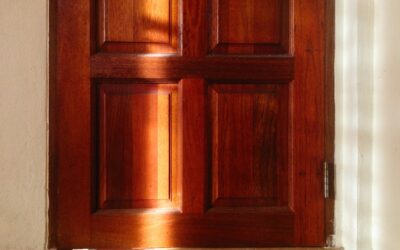
Where Frameport stands out is the breadth of louver and panel configurations. You can buy a full-louver pine bifold, a half-louver half-panel, a six-panel solid, or a flat slab in raw or primed finishes. Most home centers stock only two or three SKUs from the line, so the full catalog is worth browsing if you are matching existing doors in an older home.
Common Styles and What They Cost
Pricing on Frameport doors runs surprisingly wide depending on size, finish, and configuration. Expect these rough ranges at major retailers in 2026:
- Pine louvered bifold, 24 in. x 80 in., unfinished: $85 to $110
- Pine six-panel bifold, 30 in. x 80 in., primed: $115 to $145
- Pre-hung interior slab, 32 in. x 80 in.: $160 to $220
- Bypass closet door set, 60 in. opening: $190 to $260
- Solid pine barn door slab, 36 in. x 84 in.: $280 to $380
Bigger box stores typically carry the primed pine and clear pine lines. The hardwood veneer and stain-grade red oak versions are usually a special order through a millwork desk, with a two to four week lead time.
Pine, Veneer, or MDF — Which Material to Pick
Three core materials show up across the catalog, and each suits a different budget and humidity scenario. Clear pine is the staple. It accepts stain unevenly without a conditioner, but it paints beautifully once primed. For high-traffic spaces like kids’ bedrooms, pine bifolds dent easier than people expect, so the louvered versions need a gentle hand.
MDF doors handle paint better than any wood option. The face is glass-smooth and the panels never telegraph grain through a topcoat. The trade-off is weight and moisture sensitivity. A 36-inch MDF bifold weighs nearly twice what its pine equivalent does, and a single bathroom flood will swell the bottom rail past repair.
Hardwood veneer over engineered core sits in the middle. Red oak is the most common veneer option and gives you a stainable, traditional look without the cost of a true solid-wood door. If you are matching 1990s builder doors in a resale flip, this is usually the closest match.
Sizing and Rough Opening Tips
Bifold doors are sized by the finished opening, not the door slab. A 36-inch bifold means the rough opening is roughly 36-1/2 inches wide and the trimmed jamb opening is 36 inches. Always measure the inside-to-inside of the jamb before ordering, because plaster homes and older drywall openings drift up to half an inch across the height.
Standard heights are 80 inches for bifolds and pre-hungs. Some Frameport closet doors also come in 96-inch tall versions for upgraded builder homes with 9-foot ceilings. The 96-inch bifolds need taller pivot pins and a heavier track than the standard 80-inch hardware, so do not assume the kit from a previous door will transfer.
Installation Notes from the Field
The bifold hardware kit Frameport ships with most bifold pairs is functional but basic. Plan on swapping the pivot blocks for adjustable models and the snugger guide for a felt-lined version if you want a quiet closet door. The upgrade adds about $20 per opening and eliminates the rattle that builder bifolds become famous for.
Pre-hung Frameport doors install like any standard pre-hung. Shim the hinge side first, plumb the slab in the jamb, then drive 3-inch finish screws through the hinge into the king stud. The factory jambs are 4-9/16 inches deep, which fits 2×4 walls with 1/2-inch drywall on both sides. Anything thicker — like a tile-backed wall — will need a jamb extension.
Finish, Paint, and Stain Prep
Unfinished pine doors need a coat of shellac-based primer like Zinsser BIN before topcoats. The factory mill glaze on bare pine repels latex primer, and skipping the shellac step causes peeling within a year. Two coats of a quality enamel like Benjamin Moore Advance in semi-gloss gives a durable, washable finish for closet doors.
For stained louvered doors, spray with an HVLP gun rather than brushing. The slats are too tight for any brush to reach without leaving lap marks. A $150 entry-level HVLP and a pre-stain conditioner will produce results that rival factory finishes for a fraction of the cost.
When to Choose Something Else
Frameport excels at value closet doors but is not the right call for every situation. If you need a solid-core swing door for sound control between bedrooms, look at Masonite or JELD-WEN instead. For exterior-grade or fire-rated doors, Frameport does not make a product in the category — those are specialty SKUs entirely.
For most homeowners replacing a chipped bifold, swapping a tired bypass set, or finishing out a new walk-in closet, the catalog covers everything you need at a fair price. Measure twice, order the upgraded hardware, and prime properly. The doors will outlast the rest of the closet build.