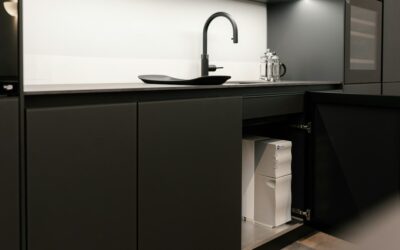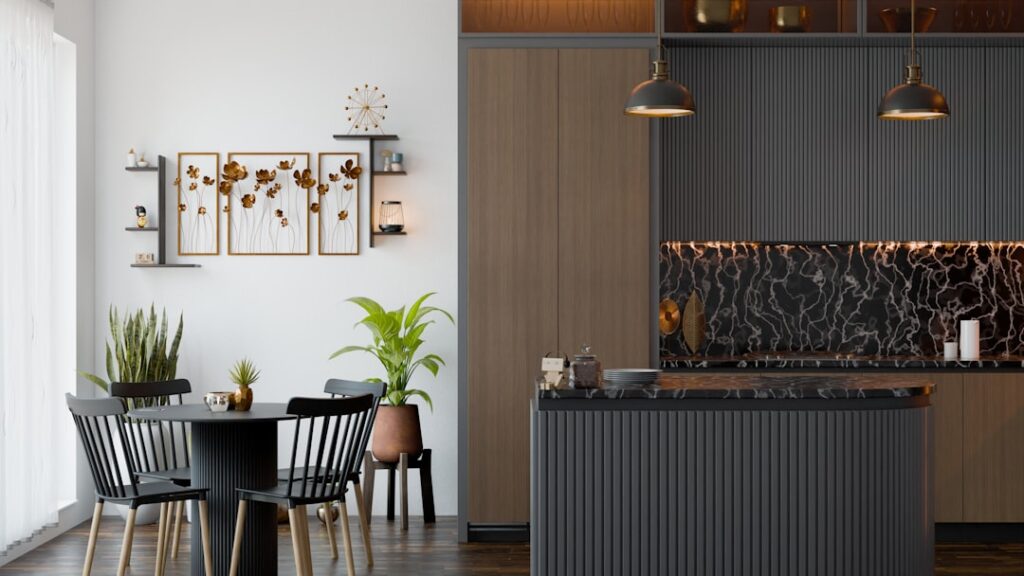
Not every kitchen needs a permanent, wall-to-wall built-in layout. Free standing kitchen cabinets are separate, movable storage pieces that sit on the floor without being attached to the walls or counters, giving you flexibility that built-in cabinetry cannot. Renters, homeowners in older houses, and anyone who likes to rearrange find that free standing kitchen cabinets solve storage problems without a costly remodel or commitment to a fixed layout.
Part of our Kitchen Remodeling guide — explore the full guide →
From farmhouse hutches to pantry cabinets to rolling islands, these pieces bring a furniture-like character to the kitchen. This guide covers the types available, their real advantages and drawbacks, sizing, and how to choose the right pieces for your space.
- What Counts as a Free Standing Cabinet
- Common Types of Free Standing Cabinets
- Advantages of Free Standing Cabinets
- Drawbacks to Consider
- Sizing and Space Planning
- Materials and Construction Quality
- Styling Free Standing Cabinets
- Free Standing vs Built-In Cabinets
- Anchoring and Safety
- Budget-Friendly Ways to Add Freestanding Storage
- The Bottom Line
What Counts as a Free Standing Cabinet
Unlike built-in cabinets that are screwed to studs and topped with a fixed countertop, free standing units are independent furniture pieces. They range from tall pantry cabinets to base cabinets, sideboards, hutches, and kitchen islands on casters. You can move them, take them when you relocate, and rearrange them as your needs change.
This furniture approach harks back to older kitchens, where a Hoosier cabinet or freestanding hutch held everything before wall-to-wall cabinetry became standard. The style has returned in modern farmhouse, cottage, and eclectic kitchens where a curated, collected look is the goal.
Common Types of Free Standing Cabinets
Free standing cabinetry comes in several forms, each solving a different problem:
- Pantry cabinets: tall units, often 70 to 84 inches high, with shelves for dry goods and small appliances.
- Kitchen islands: freestanding work surfaces with storage below, many on locking casters for mobility.
- Sideboards and buffets: lower cabinets for dishes, linens, and serving, doubling as counter space.
- Hutches and china cabinets: a base cabinet topped with open or glass-front upper shelving for display.
- Base cabinets and carts: smaller rolling or stationary units that add work and storage space anywhere.
Mixing these lets you build a kitchen’s storage piece by piece, adjusting as your budget and needs allow rather than committing to a full cabinet run at once.
Advantages of Free Standing Cabinets
There are solid reasons to choose freestanding pieces over built-ins:
- Flexibility: rearrange your kitchen anytime, and take the cabinets with you when you move.
- No installation: no need to screw into walls, level a run, or hire a cabinet installer.
- Renter-friendly: add real storage without altering a rental you cannot renovate.
- Budget control: buy one piece at a time instead of financing a full remodel.
- Character: a vintage hutch or a butcher-block island adds personality that uniform cabinetry lacks.
- Easy replacement: swap out a single piece if it wears or your taste changes.
Drawbacks to Consider
Freestanding cabinets are not the right answer for every kitchen. Weigh these limitations:
- Less storage density: gaps between separate pieces waste space that built-ins fill seamlessly.
- Stability: tall units can tip; anchor them to the wall for safety, especially with children around.
- Less seamless look: some buyers prefer the continuous, custom appearance of built-ins.
- Countertop gaps: movable pieces leave seams where crumbs and spills collect.
- Resale perception: some buyers view a full built-in kitchen as more valuable.
If you crave maximum storage and a flawless integrated look and you plan to stay put for years, built-ins may serve you better. Free standing shines when flexibility and lower commitment matter more.
Sizing and Space Planning
Measure carefully before buying. Standard base cabinet height runs about 34 to 36 inches to work comfortably at counter level, and countertop depth is typically 24 to 25 inches. Pantry cabinets commonly stand 70 to 84 inches tall. Leave at least 36 to 42 inches of walkway around an island so you can open doors and move freely.
For an island, confirm you have room for a person to work on all needed sides plus clearance for appliance doors like the dishwasher and oven to open fully. Sketch your layout on paper or use a room-planning app before purchasing, since returning a heavy cabinet is a hassle.
Materials and Construction Quality
Cabinet quality varies widely, and it shows over time. Look for these markers of durability:
- Solid wood or plywood boxes resist sagging and moisture better than particleboard.
- Dovetail or dowel joinery on drawers signals better construction than stapled joints.
- Soft-close hinges and drawer glides add longevity and everyday quality.
- Solid butcher block or hardwood tops on islands stand up to kitchen use.
- Locking casters on mobile pieces keep them steady when you are working.
Budget pieces from big-box retailers work for light use, but for a cabinet you will lean on daily, invest in solid construction. A well-built freestanding island can last decades and move with you through several homes.
Styling Free Standing Cabinets
The furniture nature of these cabinets is a design opportunity. Mix finishes deliberately, such as a painted hutch against natural wood open shelving, for a collected, layered look. Add glass-front doors to display dishware, or open shelving for cookbooks and plants.
To keep the look intentional rather than mismatched, repeat one or two unifying elements, such as consistent hardware finishes or a shared color in the pieces. This ties disparate cabinets into a cohesive kitchen rather than a random collection.
Free Standing vs Built-In Cabinets
The choice between freestanding and built-in cabinetry shapes your kitchen’s cost, flexibility, and look. Built-ins are permanently installed, custom-fitted, and topped with a continuous countertop, delivering maximum storage density and a seamless appearance. Freestanding pieces trade some of that polish for mobility and lower commitment.
Weigh the two approaches this way:
- Cost: built-ins require professional installation and often cost far more; freestanding pieces can be bought individually as budget allows.
- Flexibility: freestanding wins outright, moving with you and rearranging anytime.
- Storage density: built-ins fill every inch; freestanding leaves gaps between pieces.
- Resale: a fitted built-in kitchen may appeal more to some buyers, though character-rich freestanding setups attract others.
- Timeline: freestanding is instant; built-ins involve design, ordering, and installation.
Many kitchens blend both, using built-in base runs with a freestanding island, pantry, or hutch for flexibility and character. You do not have to choose one approach exclusively.
Anchoring and Safety
Because freestanding cabinets are not attached to the structure, stability is a real safety concern, especially with tall units and in homes with children. A top-heavy pantry cabinet can tip if a child climbs it or if it is overloaded up high. Preventing this is simple and essential.
Take these steps to keep freestanding cabinets safe:
- Anchor tall units to wall studs using anti-tip brackets or L-brackets, the same hardware used for bookcases and dressers.
- Load heavy items on lower shelves to keep the center of gravity low.
- Use locking casters on any rolling piece and engage them whenever the unit is in use.
- Ensure the floor is level, or use adjustable feet, so the cabinet does not rock.
- Check weight ratings before loading countertops and shelves heavily.
Anchoring takes ten minutes and a few dollars in hardware, and it eliminates the single biggest risk of freestanding furniture in the kitchen.
Budget-Friendly Ways to Add Freestanding Storage
You do not need custom furniture to benefit from freestanding cabinets. Affordable options abound for adding real kitchen storage without a remodel. Ready-to-assemble cabinets and kitchen carts from big-box and online retailers start well under a few hundred dollars, and secondhand hutches and buffets from estate sales offer character at bargain prices.
Practical budget strategies include repurposing a solid-wood dresser or sideboard as kitchen storage, adding a rolling butcher-block cart for extra prep space and mobility, and using a freestanding pantry cabinet to expand dry-goods storage in a kitchen short on cabinets. Painting or refinishing a used piece lets you match it to your kitchen for a fraction of the cost of new custom cabinetry. With a little creativity, you can solve storage shortfalls for a few hundred dollars rather than a full renovation budget.
The Bottom Line
Free standing kitchen cabinets deliver flexible, movable storage that suits renters, older homes, and anyone who values the ability to rearrange or relocate their kitchen. They let you build storage one piece at a time, add character built-ins cannot match, and avoid installation entirely. The tradeoffs are lower storage density and a less seamless look than fitted cabinetry. Measure your space carefully, anchor tall units for safety, choose solid construction for pieces you use daily, and unify your finishes for a cohesive result. Chosen well, freestanding cabinets bring both function and personality to any kitchen.