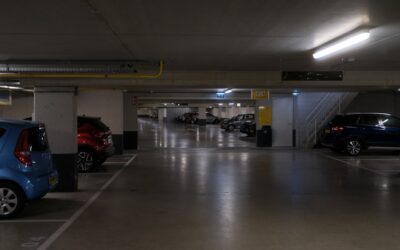
A bare concrete garage floor takes a beating from car tires, dropped tools, oil drips, and road salt. A good garage floor cover protects that concrete, makes the space easier to clean, and instantly upgrades the look of your garage. With options ranging from peel-and-stick mats to professional epoxy coatings, the right choice depends on your budget, how you use the space, and how much work you want to do yourself.
Part of our Epoxy, Concrete & Garage Floors guide — explore the full guide →
This guide breaks down the main types of garage floor covering, what each one costs, how durable they are, and how to install them so you can pick the solution that fits your garage and your wallet.
Why Cover a Garage Floor at All
Concrete looks tough, but it is porous and absorbs oil, brake fluid, and moisture that lead to permanent stains and slow surface deterioration. Freeze-thaw cycles and de-icing salts can cause spalling, where the top layer flakes off. A floor cover seals the surface, resists chemicals, and gives you a cleaner, safer place to work.
Beyond protection, a finished floor makes a garage feel like usable living space rather than a storage shed. It brightens the room, hides existing stains, and can add resale appeal. If you use the garage as a workshop, gym, or hobby area, the comfort and easy cleanup quickly justify the cost.

If you’re running out of room even with a clean garage floor, a backyard shed takes the overflow — seasonal gear, tools, lawn equipment. And if you’re parking outside while the garage doubles as a workshop, a carport keeps your car covered without needing a second garage.
We may earn a commission when you purchase through our links.
Epoxy and Polyaspartic Coatings
Coatings are liquid systems rolled directly onto prepared concrete, where they cure into a hard, seamless, glossy surface. Epoxy is the most familiar; polyaspartic and polyurea coatings are newer, cure faster, and resist UV yellowing better.
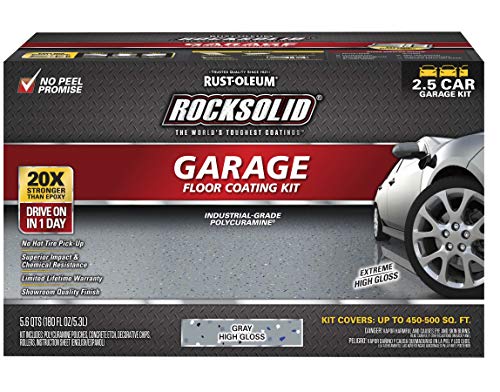
These finishes offer the best chemical and abrasion resistance of any option and create a surface that wipes clean with ease. The catch is preparation. The concrete must be clean, dry, crack-free, and properly etched or ground, or the coating will peel. DIY epoxy kits often run from a few hundred dollars for a single-car garage, while professional polyaspartic systems with decorative flakes typically cost several thousand dollars depending on size and prep. Done right, a quality coating can last 10 to 20 years.
Interlocking Garage Floor Tiles
Interlocking tiles snap together like a puzzle over the existing concrete with no adhesive or curing time. They come in rigid PVC, flexible polypropylene, and rubber, in a range of colors and textures.
- Installation is fast; many garages can be covered in an afternoon with no special tools.
- Damaged tiles pop out and replace individually, which is a major advantage over coatings.
- They tolerate minor concrete imperfections and even small cracks underneath.
- The raised drainage styles let water and melted snow flow beneath the surface.
Tiles generally cost more per square foot than a basic DIY coating but require far less prep. Expect a meaningful range depending on material and brand, with rigid PVC tiles often landing in the mid range and premium textured versions higher. They can shift slightly under heavy point loads, so look for a quality locking system.
Rollout Vinyl and Mats
Rollout flooring is large vinyl sheets you unroll across the floor like a giant mat. It is the simplest option of all: clean the concrete, roll out the material, trim to fit, and you are done. This makes it a favorite for renters and anyone who wants instant results.
Rollout vinyl handles spills, hides stains, and provides a slightly cushioned surface. It is not as chemical-resistant as epoxy, and hot tires can sometimes cause marking on cheaper products, so look for a coated or textured top layer rated for vehicle traffic. Smaller mats placed under a workbench, in a parking spot, or beneath a leaking vehicle offer targeted protection at the lowest cost of any option.
Comparing Cost and Durability
Here is a realistic way to think about the trade-offs. These are general estimates and vary widely by region, garage size, and product quality.
- Rollout vinyl and mats: lowest upfront cost, easiest install, moderate durability, fully removable.
- Interlocking tiles: mid-range cost, very fast install, good durability, easy to repair piece by piece.
- DIY epoxy kits: moderate cost, more labor, strong durability if prep is done right.
- Professional polyaspartic or polyurea: highest cost, best durability and appearance, fastest cure for a pro-grade finish.
Match the choice to your needs. A weekend mechanic who drops tools and spills fluids benefits from a coating or rigid tile, while someone who just wants a cleaner, brighter floor may be perfectly happy with rollout vinyl.
Preparation and Installation Tips
No matter which cover you choose, the concrete underneath drives the result. Sweep and degrease the floor thoroughly, then test for moisture by taping a plastic sheet to the slab overnight; condensation beneath it signals a moisture problem that can ruin coatings. Fill cracks and repair spalling before you start.
For coatings, follow the etching or grinding directions exactly, work within the manufacturer’s temperature and humidity limits, and ventilate the space well. Wear gloves, eye protection, and a respirator rated for fumes when handling epoxy or solvents, and keep a window or door open. For tiles and rollout flooring, let the material acclimate in the garage for a day so it lies flat and expands or contracts before final trimming.
Maintenance and Longevity
How you care for a garage floor cover affects how long it lasts and how good it looks over the years. Coatings are the lowest-maintenance option once cured, needing only occasional sweeping and mopping, though you should wipe up automotive fluids promptly and avoid dragging sharp metal across the surface. Interlocking tiles benefit from periodic lifting and rinsing underneath, since dust and moisture can collect between the tiles and the slab over time.
Rollout vinyl and mats are the easiest to clean, often just requiring a hose-down or a mop, but check periodically for trapped moisture beneath them that could promote mildew on the concrete. Across all options, addressing spills quickly, keeping grit swept up, and following the manufacturer’s cleaning recommendations will extend the life of the surface. A well-maintained cover not only lasts longer but keeps protecting the valuable concrete underneath.
Choosing the Right Cover for Your Garage
Start with how you use the space and how long you plan to stay. For a long-term home and a hardworking garage, a professional coating delivers the most seamless, durable finish. For a fast, repairable, DIY-friendly upgrade, interlocking tiles are hard to beat. For renters, tight budgets, or a quick refresh, rollout vinyl and mats do the job with zero commitment. Whatever you pick, sealing your concrete now prevents the kind of staining and surface damage that is nearly impossible to undo later.