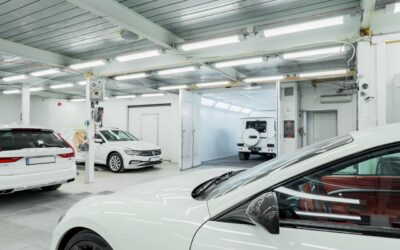
Most garages get ignored until something breaks — and that is a missed opportunity. A fresh coat of paint transforms a dull, dusty space into a workshop, gym, or organized storage hub that you actually want to spend time in. These garage paint ideas cover wall colors, floor coatings, accent strategies, and finish selections that hold up to the unique demands of a working garage.
Part of our Paint & Walls guide — explore the full guide →
Choosing the Right Wall Color
Garages typically have limited natural light, so lighter colors make the biggest visual impact. Bright white and light gray are the two most popular choices for good reason — they reflect overhead lighting, make the space feel larger, and provide a clean backdrop for pegboards and shelving.
- Bright white: Maximizes light reflection, shows dirt easily (which can be a plus for maintenance), pairs well with any accent
- Light gray (Sherwin-Williams Agreeable Gray, Benjamin Moore Revere Pewter): Hides scuffs better than white while still reflecting plenty of light
- Warm beige or greige: Softens the industrial feel, works well if the garage doubles as a living space or gym
- Bold accent wall: A single wall in navy, charcoal, or deep red adds personality without darkening the entire space
Best Paint Finishes for Garage Walls
Flat and eggshell finishes have no place in a garage. Walls get bumped by car doors, splashed with chemicals, and sprayed with dust. You need a finish that cleans easily and resists moisture.
Semi-gloss is the best all-around choice for garage walls. It resists moisture, wipes clean with a damp cloth, and reflects light to brighten the space. Satin works too if you prefer a slightly less shiny look, though it is marginally harder to scrub. Use a quality latex paint with built-in primer — Behr Ultra, Sherwin-Williams Duration, or Benjamin Moore Aura are all proven in high-use environments.
Garage Floor Coating Options
Epoxy Floor Coating
Epoxy creates a hard, glossy surface that resists oil stains, tire marks, and chemical spills. A DIY kit like Rust-Oleum EpoxyShield covers a two-car garage (around 250 sq ft) for $80-$150. Professional installation runs $3-$7 per sq ft. The finished surface lasts 5-10 years in a residential garage.
Polyurea / Polyaspartic Coating
These newer coatings cure faster than epoxy (often in one day vs. three to five days), handle UV exposure better, and flex with concrete movement instead of chipping. Professional installation costs $5-$12 per sq ft, but the finish can last 15-20 years. Brands like Penntek and ArmorPoxy are popular with installers.
Concrete Stain
Acid stain or water-based concrete stain adds color without building up a thick coating. The look is more natural and varied — almost like stone — and works well in garages used as workshops or entertaining spaces. Stain costs $0.30-$0.75 per sq ft for materials and goes down easily with a sprayer or roller.
Interlocking Floor Tiles
Not paint, but worth mentioning: snap-together polypropylene tiles from RaceDeck or Swisstrax cover damaged or ugly concrete without any surface prep. They cost $3-$8 per sq ft and come in dozens of colors and patterns for a custom look.
Color Schemes That Work
- Classic workshop: Light gray walls, charcoal epoxy floor with gray flake chips, white ceiling
- Modern clean: Bright white walls, metallic silver polyurea floor, black trim and cabinetry
- Warm industrial: Warm beige walls, tan stained concrete floor, oil-rubbed bronze hardware
- Sports-themed: White walls with a bold accent wall in your team color, matching floor flake chips
- Minimalist: All white walls and ceiling with a light gray floor — let the cars and equipment be the visual interest
Painting the Garage Ceiling
If your garage has an exposed joist ceiling, painting everything — joists, underside of the subfloor, pipes, and ductwork — a single color creates a surprisingly clean, finished look. Flat white is the standard choice because it maximizes light reflection overhead. Use a paint sprayer for speed; rolling between joists and around pipes takes three times as long.
For finished drywall ceilings, a flat or matte white latex works fine since ceilings do not get the same abuse as walls.
Prep Steps That Make or Break the Job
- Walls: Wash with TSP (trisodium phosphate) solution to remove grease and dust. Patch any holes or dents with lightweight spackle
- Floors: Degrease with a concrete cleaner, etch the surface with muriatic acid or a commercial etching solution, and let it dry completely (48-72 hours)
- Moisture test (floors): Tape a 2×2-foot piece of plastic sheeting to the floor and wait 24 hours. If moisture appears underneath, you need a moisture-mitigating primer before applying any coating
- Temperature: Most garage paints and epoxies need air and surface temperatures between 50 °F and 85 °F for proper curing
Budget Breakdown for a Two-Car Garage
- Walls and ceiling paint (2 coats): $100-$200 for paint, $30-$50 for supplies
- Floor epoxy (DIY kit): $80-$150
- Floor coating (professional polyurea): $1,500-$3,000
- Total DIY project: $250-$500 for walls, ceiling, and a basic epoxy floor
A weekend of painting and a few hundred dollars can turn a neglected garage into one of the most functional and visually appealing rooms in your home. Start with the walls to see the biggest immediate difference, then tackle the floor when you have a clear stretch of dry weather.