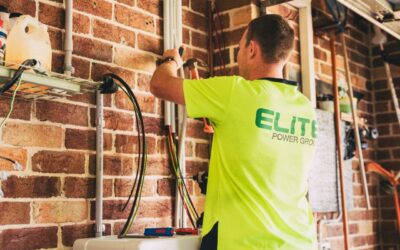
A two-car garage typically offers 400 to 500 square feet of usable space, which is enough room for a serious workshop, a multi-discipline hobby studio, or a two-bay automotive shop with plenty of room to spare. Garage shop ideas that actually work in real households share a few common themes: smart vertical storage, durable flooring, proper lighting, and a layout that prioritizes the activities you actually do most. The difference between a Pinterest-perfect garage and a functional one comes down to honest planning about how you will use the space.
Start With the Activities You Will Do
Before buying a single tool chest, list the top three activities the garage shop needs to support. Common combinations include automotive work plus woodworking, woodworking plus general DIY, automotive plus seasonal storage, or pure hobby use like model building or leatherwork. Each combination drives different layout, electrical, and ventilation needs.
A pure woodworking shop needs dust collection, ample 240V power for table saws and dust collectors, and a layout that lets you process 8-foot lumber. An automotive shop needs floor drain access, cleanable flooring, and a workbench layout that accommodates engine and transmission work. Trying to do everything in one garage requires compromise. Be honest about what you will actually use.
Flooring Choices That Hold Up
Standard concrete with a sealer is the cheapest functional option at $0.50 to $2 per sq ft. Epoxy floor coatings deliver a far more professional appearance and easier cleaning at $3 to $7 per sq ft for a quality two-part system. Polyaspartic coatings are the premium tier at $5 to $9 per sq ft, with faster cure times and better UV stability than epoxy.
- Concrete with penetrating sealer: $0.50 to $2 per sq ft
- Two-part epoxy coating: $3 to $7 per sq ft
- Polyaspartic coating: $5 to $9 per sq ft
- Interlocking PVC tiles: $3 to $6 per sq ft
- Anti-fatigue rubber mats (workstation areas): $20 to $80 per mat
Anti-fatigue mats at the workbench dramatically reduce leg and back fatigue during long projects. Pair them with epoxy or polyaspartic for the rest of the floor, and you have a shop that looks great and feels great to work in.
Lighting That Actually Works
Most production-built garages ship with a single 60-watt overhead bulb. Working under that lighting destroys your eyes and makes precision work impossible. Plan for 50 to 75 lumens per square foot in general work areas and 100 to 150 lumens at task surfaces like benches and machines. For a 500 sq ft garage, that means 25,000 to 37,500 lumens of overhead lighting plus task lighting.
LED shop lights at 4,000 to 6,500 lumens each, mounted in a 2 by 4 grid across the ceiling, provide the base level. Add directional task lights at the workbench and over major tools like table saws and drill presses. Daylight-temperature bulbs at 5,000K to 6,500K make colors render accurately, which matters for finish work and color-matched repairs.
Storage That Reclaims Floor Space
The most common garage shop mistake is storing tools and materials on the floor or open shelving. Vertical wall storage triples available floor space and keeps tools organized. French cleat systems, slatwall panels, and pegboard all work for hand tools. Closed cabinets keep dust off precision tools and protect against theft.
Overhead storage racks recover ceiling space for seasonal items like Christmas decorations, camping gear, and rarely-used equipment. SafeRacks, FleximOnts, and Monkey Bars all sell ceiling-mounted overhead storage rated for 500 to 1,000 pounds per rack. Installation runs 1 to 2 hours per rack into ceiling joists.
Workbench Design
The workbench is the heart of every shop. For most homeowners, a 30-inch deep by 6 to 8 foot wide bench at 36 inches tall handles 90 percent of projects. Build it from 2×4 framing with 3/4-inch plywood top covered by hardboard for a smooth, replaceable work surface. Add a 4-inch overhang on the front for clamping.
Mobile workbenches on locking casters add huge flexibility. Roll the bench out for engine work, table saw outfeed support, or assembling oversized projects. Brands like Husky, Kobalt, and Seville Classics make decent ready-to-assemble mobile benches at $400 to $900. Custom-built benches cost $200 to $500 in materials and offer better dimensions for your specific use.
Power and Electrical
Most garages have grossly insufficient electrical capacity for a serious shop. A typical garage circuit handles 1,800 watts before tripping, which is one shop vacuum or one table saw or one large compressor, not multiple at once. For real shop use, plan to add at least one dedicated 20-amp circuit per major tool category.
- Dedicated 20A circuit for the table saw or compressor
- Dedicated 20A circuit for the dust collector
- Dedicated 20A circuit for benchtop tools and chargers
- 240V circuit for welder, large compressor, or large dust collector
- Separate circuit for lighting so a tool trip does not leave you in the dark
Hire a licensed electrician for service upgrades and panel work. Adding circuits to existing panels is one of the highest-ROI shop upgrades you can make.
Climate Control Considerations
Uninsulated garages swing 40 degrees colder than the house in winter and 30 degrees hotter in summer. Insulating the walls (R-13 to R-19) and ceiling (R-30) makes the space usable year-round and dramatically improves heating and cooling efficiency. Add a mini-split HVAC unit at $1,800 to $3,500 installed for full climate control, or use space heaters and fans for budget cooling and heating.
Insulated garage doors run $800 to $1,800 more than uninsulated and pay back in comfort and energy savings within a few seasons. R-13 to R-18 insulation values are the sweet spot for residential garage doors.
Air Quality for Shop Work
Woodworking, automotive paint, and finishing work all produce airborne contaminants that damage your lungs over time. A 1 to 2 HP cyclone dust collector with quality filtration handles wood dust at the source. An ambient air filter like the WEN 3415T or Powermatic PM1200 captures fine particulates that escape collection.
For automotive work involving fuel or solvents, install a powered exhaust fan in the garage door or wall to vent the space when needed. A 12-inch ventilation fan moves 1,000 CFM and clears the air in a typical garage in 5 to 8 minutes.
Final Inspiration
The best garage shops grow over time as you discover what you actually do most. Start with a solid floor, adequate lighting, basic vertical storage, and a workbench. Add tool storage, dust collection, climate control, and specialty equipment as your projects demand. Build the shop you will actually use, not the one that looks best on Instagram.