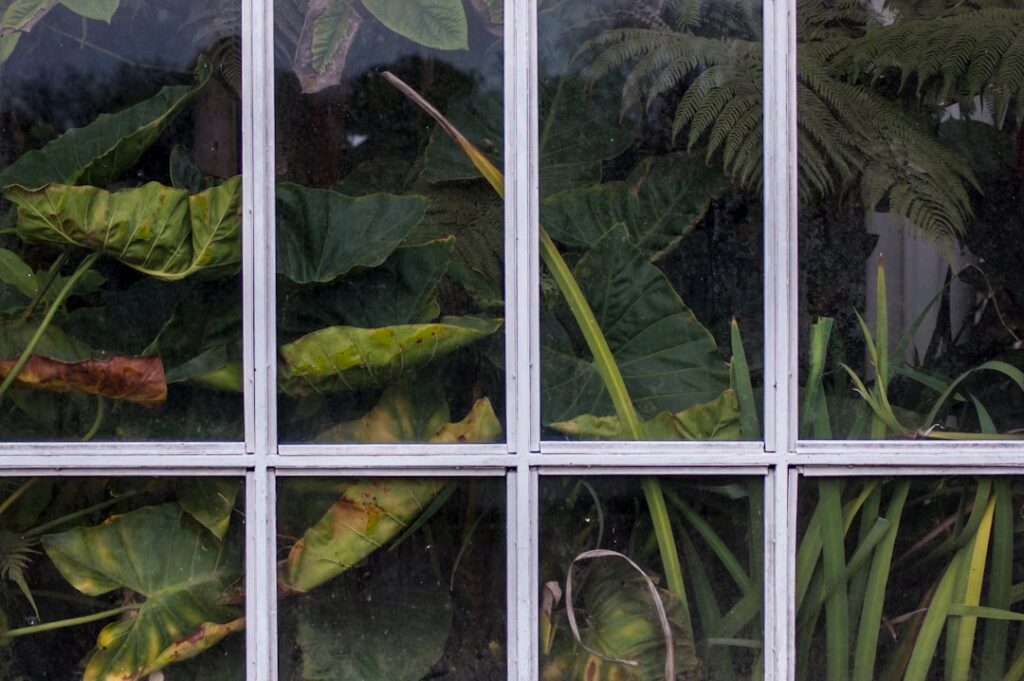
A garden window looks like a tiny greenhouse bolted to your kitchen wall, and that charm is exactly why it’s also one of the leakiest, drafty-est windows in the average American home. If you’re facing a garden window replacement, you’re probably dealing with foggy glass, water stains on the seat board, or herbs that keep dying because the old single-pane box either cooks or freezes them. Replacing one is more involved than swapping a flat window because it projects outward, carries a shelf load, and has glass on five surfaces. Get the details right and you gain a bright, functional plant shelf; get them wrong and you inherit the same leaks the last owner fought.
Part of our Windows & Doors guide — explore the full guide →
- What a Garden Window Actually Is
- Signs It’s Time to Replace
- Measuring for a Replacement Garden Window
- Frame Materials and What They Cost
- Installed Cost in 2026
- Why Garden Windows Leak — and How to Prevent It
- Ventilation and Support Details
- DIY or Hire a Pro?
- Choosing Plants for the Finished Window
- Frequently Asked Questions
What a Garden Window Actually Is
A garden window projects 12 to 18 inches out from the wall, usually over a kitchen sink, and has glass on the front, both angled sides, and the top, plus one or two shelves inside for potted plants. Think of it as a miniature bay window built for greenery rather than seating. The top glass or acrylic panel floods the box with overhead light, which is what lets you grow basil and succulents indoors year-round.
That five-sided glass design is both the appeal and the weakness. All that glazing means poor insulation unless the unit uses modern Low-E double-pane glass, and every seam where glass meets frame is a potential water entry point. Older units, especially builder-grade ones from the 1990s and early 2000s, were often single-pane aluminum-framed boxes that sweat, leak, and lose heat.
Signs It’s Time to Replace
Several symptoms tell you the unit is past repair rather than a candidate for a reseal. Fogging or moisture trapped between the panes means the insulated glass seal has failed and the argon gas has escaped — that glass can’t be restored, only replaced. Water stains, soft spots, or peeling paint on the wooden seat board point to a chronic leak that has already started rotting the structure below.
Other tells include a persistent cold draft in winter, condensation dripping onto the counter, and side vents that no longer crank or seal. If the frame itself is aluminum with no thermal break, you’ll never make it comfortable, and replacement with a vinyl or composite-framed unit is the only real fix.
Measuring for a Replacement Garden Window
Garden windows are sized by the rough opening in the wall, not by the projecting box. Measure the width and height of the existing opening in three places each and use the smallest number. Standard stock sizes run from about 24 by 24 inches up to 60 by 48 inches, with common projections of 12, 14, or 16 inches out from the wall.
Two measurements people forget: the projection depth and the sill height above the counter. If the new unit projects further than the old one, confirm it clears any exterior obstructions like a hose bib, gutter downspout, or AC line. And check that the interior seat board height still clears your faucet — a taller pull-down faucet can foul a low-set garden window shelf.
Frame Materials and What They Cost
The frame material drives both price and long-term performance. Here’s how the common options stack up:
- Vinyl: The most popular replacement choice. Affordable, low-maintenance, and reasonably insulating. Expect $600 to $1,400 for the unit alone.
- Wood-clad: Wood interior with an aluminum or vinyl exterior skin. Warmer look, better insulation, higher price — $1,500 to $3,000 for the unit.
- Composite: Fiberglass or engineered blends that resist warping and rot. Premium pricing, often $2,000 and up, but the longest service life.
- Aluminum: Now rare for garden windows because bare aluminum conducts cold and sweats. Avoid unless it has a genuine thermal break.
Whatever the frame, insist on Low-E, argon-filled, double-pane insulated glass on all sides, including the top. The top panel is where cheap units cut corners with single-pane acrylic, and that’s where most of the heat loss and condensation originates.
Installed Cost in 2026
All in, a professional garden window replacement typically runs $1,000 to $4,000. The unit is $600 to $3,000 depending on material and size, and labor adds $400 to $1,200 because these installations take longer than a flat window — the installer has to remove the projecting box, rebuild or verify the support bracket, flash the head and sides, and seal five glass surfaces.
Budget extra if the old unit leaked. Rotted framing or a damaged seat board can add $300 to $1,500 in carpentry. If the wall sheathing behind the unit is soft, that has to come out and go back in before the new window goes on, or you’ll be replacing this one too in a few years.
Why Garden Windows Leak — and How to Prevent It
Garden windows leak more than any other residential window for one reason: they project outward and rely entirely on the top and side flashing to keep water out. When installers skip proper head flashing or lean on caulk alone, water finds the seams within a season or two.
Insist your installer uses a rigid head flashing that laps over the window and tucks under the siding or housewrap above — caulk is a supplement, never the primary defense. The sides should be sealed with a flexible flashing tape, and the bottom left with a weep path so any incidental water can drain rather than pool. Ask specifically how they’ll flash the head; if the answer is “we’ll caulk it,” find another installer.
Ventilation and Support Details
Most garden windows include two operable side vents — small awning or casement units that crank open for airflow, which plants need to prevent mold and stagnation. Confirm the replacement has working, sealing vents; a sealed box with no airflow becomes a condensation trap.
Support is the other detail. A garden window and its wet potting soil can weigh a fair amount, and the unit cantilevers off the wall. Better units include an adjustable support bracket or brace underneath. On a straight swap into an existing opening the wall usually carries it, but if you’re enlarging the opening, have the installer confirm the header and add a brace so the box doesn’t sag over time.
DIY or Hire a Pro?
A handy homeowner can replace a same-size garden window, but the flashing and sealing are unforgiving, and a mistake shows up as interior water damage months later. If the opening is unchanged, the wall is sound, and you’re comfortable on a ladder handling a heavy, awkward box, a careful DIY install with proper flashing tape and head flashing is doable in a day. If there’s any rot, if you’re changing the size, or if the unit sits on a second story, hire a pro — the cost of doing it twice dwarfs the labor savings.
Choosing Plants for the Finished Window
Once the new unit is in, the payoff is a bright, functional shelf, and matching plants to its light exposure keeps them thriving. A south- or west-facing garden window bakes in strong afternoon sun and suits herbs like basil, rosemary, and thyme, plus succulents and cacti that love heat. An east-facing window gets gentle morning light, ideal for leafy herbs, African violets, and small ferns. North-facing units are the dimmest and do best with low-light foliage plants rather than sun-lovers.
Remember that a garden window’s glass top and sides mean plants dry out faster than they would on an interior sill, so check soil moisture more often and use pots with drainage. The operable side vents help prevent the stagnant, humid air that invites mold, so crack them on warm days. With the right plants and a little airflow, the window earns its keep as a year-round indoor garden.
Frequently Asked Questions
How long does a garden window replacement take? A straightforward same-size swap takes a professional crew four to eight hours. Add a day if there’s rot repair, framing changes, or exterior siding work around the opening.
Can I put a garden window anywhere? Practically, they go over kitchen sinks and occasionally in bathrooms or stairwell landings — anywhere you want a sunny plant shelf and can support the projection. The wall must face enough light for plants, and the exterior must have clearance for the box to project 12 to 18 inches.
Are garden windows energy efficient? Modern units with Low-E argon double-pane glass on all sides are reasonably efficient, but they will never match a flat wall of insulation because they’re mostly glass. Choosing an insulated top panel and a thermally broken frame makes the biggest difference in comfort.
Do garden windows add home value? They add kitchen appeal and can be a selling feature, but they’re a modest, taste-specific upgrade rather than a major value driver. Their main payoff is daily use — natural light and a spot to grow herbs — not resale return.