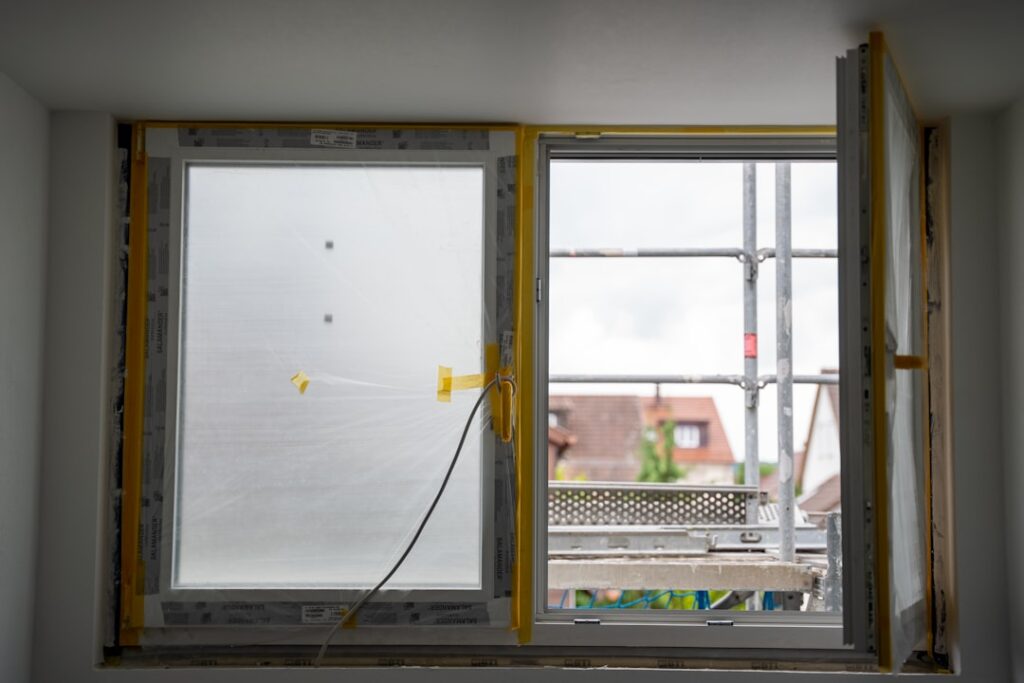
Insert replacement windows, also called pocket replacement windows, are the fastest and most affordable way to upgrade old, drafty windows without tearing your home apart. Instead of removing the entire window down to the framing, an insert window slips into your existing, structurally sound window frame. If your old frame is solid but the sashes are worn, foggy, or energy-inefficient, insert windows deliver modern performance with minimal disruption. This guide explains exactly how they work, what they cost, their advantages and limitations, and how to decide whether they are right for your home.
Part of our Windows & Doors guide — explore the full guide →
- What Is an Insert Replacement Window?
- How Insert Windows Are Installed
- The Main Advantage: Speed and Cost
- Insert Replacement Window Costs
- The Trade-Off: A Slightly Smaller Glass Area
- When Insert Windows Are the Right Choice
- When to Choose Full-Frame Instead
- Energy Efficiency and Features
- How Long Insert Windows Last
- Maintenance to Maximize Lifespan
- Common Mistakes to Avoid
- Making the Right Decision
What Is an Insert Replacement Window?
An insert replacement window is a fully assembled window unit, frame, sashes, and glass, that fits inside your existing window frame. The installer removes only the old sashes, stops, and hardware, leaving the original frame, exterior trim, and interior casing in place. The new insert is then set into the empty pocket, shimmed level and plumb, fastened, and sealed. The result is a brand-new window nested inside your old frame.
This contrasts with a full-frame replacement, where the entire window, including the frame, is removed down to the rough opening and a new unit installed. Full-frame replacement is more invasive and expensive but necessary when the existing frame is rotted or damaged.
How Insert Windows Are Installed
The installation process is refreshingly simple compared to full-frame work:
- Remove the old sashes and stops. The installer takes out the movable sashes, parting beads, and stop molding, leaving the bare frame.
- Prep the opening. The old frame is cleaned, any old caulk removed, and the opening measured to confirm fit.
- Set the insert. The new window is placed into the pocket from inside or outside, then shimmed level, plumb, and square.
- Fasten and insulate. The unit is screwed to the frame, and low-expansion foam or fiberglass insulation fills the gap around it.
- Seal and trim. The installer caulks the exterior and reinstalls or adds interior stops to finish the look.
Because the existing trim stays put, there is no exterior siding work, no drywall repair, and no repainting of casings, making the job fast, often 30 to 60 minutes per window for an experienced crew.
The Main Advantage: Speed and Cost
The biggest reason homeowners choose insert windows is the combination of lower cost and minimal disruption. Because the installer preserves the existing frame and trim, labor is significantly reduced, and there is no cost for siding repair, new interior casing, or repainting. A whole-house window project that would take a week with full-frame replacement might be done in a day or two with inserts. For homes with structurally sound frames, inserts deliver most of the energy and comfort benefits of new windows at a fraction of the hassle.
Insert Replacement Window Costs
Insert windows cost less than full-frame replacements. Typical installed prices per window:
- Vinyl insert windows — roughly $350 to $700 installed.
- Fiberglass or composite inserts — roughly $500 to $1,000 installed.
- Wood-clad inserts — roughly $700 to $1,400 installed.
By comparison, full-frame replacements often run $200 to $600 more per window because of the added labor and trim work. For a typical home with 10 to 15 windows, choosing inserts over full-frame can save several thousand dollars.
The Trade-Off: A Slightly Smaller Glass Area
The one meaningful downside of insert windows is that nesting a new frame inside the old one reduces the visible glass area. The new unit’s frame sits inside the original frame, so you lose an inch or two of glass around the perimeter. In most windows this is barely noticeable, but on smaller windows the reduction can be more apparent, and it slightly cuts the amount of daylight. If maximizing glass and views is a priority, full-frame replacement preserves the original opening size. For most homeowners, the modest glass reduction is a fair trade for the savings and speed.
When Insert Windows Are the Right Choice
Insert replacement windows make the most sense when:
- The existing frame is solid. No rot, water damage, or structural issues, this is the essential requirement.
- You want to save money and time. Inserts cost less and install faster.
- You like your existing trim. Inserts preserve interior and exterior casing you want to keep.
- You are upgrading for energy efficiency. Old single-pane or worn double-pane windows in good frames are ideal candidates.
When to Choose Full-Frame Instead
Inserts are not always the answer. Opt for full-frame replacement when:
- The frame is rotted or damaged. You cannot nest a new window in a failing frame; the underlying problem must be fixed.
- There is water intrusion. Full-frame lets you inspect and correct flashing and moisture issues hidden behind the trim.
- You want to change the window size or style. Only full-frame allows resizing the opening.
- You want to maximize glass area. Full-frame preserves the original daylight opening.
Energy Efficiency and Features
Modern insert windows offer the same performance features as any new window: double or triple-pane insulated glass, low-E coatings that reflect heat, argon or krypton gas fills between panes, and warm-edge spacers. Look for the ENERGY STAR label and check the U-factor (lower is better for insulation) and Solar Heat Gain Coefficient appropriate for your climate. Upgrading from old single-pane windows to insulated inserts can meaningfully cut heating and cooling costs and eliminate cold drafts, even though the frame stays the same.
How Long Insert Windows Last
A quality insert replacement window, properly installed in a sound frame, lasts about the same as any new window: typically 20 to 40 years depending on material. Vinyl inserts generally last 20 to 30 years, while fiberglass and wood-clad units can push 30 to 40 years or more with maintenance. The glass seal, the airtight bond between the panes of insulated glass, is often the first thing to fail; when it does, you see fogging or condensation between the panes, and the sash or glass unit can be replaced. Because the insert nests in your existing frame, the underlying frame’s longevity also matters, which is exactly why confirming the frame is sound before installation is so important. Choose a unit with a strong manufacturer warranty covering both the frame and the insulated glass seal.
Maintenance to Maximize Lifespan
Insert windows are low-maintenance, but a few habits extend their life and performance. Keep the tracks and weep holes (the small drainage slots at the bottom of the frame) clear of dirt and debris so water drains properly and does not back up into the wall. Inspect the exterior caulk annually and reapply where it has cracked or pulled away, since this seal is your first line of defense against water intrusion. Lubricate moving parts like balances and locks periodically. Clean the glass with a non-abrasive cleaner, and check the weatherstripping for wear, replacing it when it hardens or compresses, to maintain the tight seal that keeps drafts out. These simple steps protect both the window and the existing frame it relies on.
Common Mistakes to Avoid
- Installing inserts over a rotted frame. This traps the problem; always confirm the frame is sound first.
- Skipping proper insulation. The gap around the insert must be filled with low-expansion foam or fiberglass, or you will still have drafts.
- Poor measurement. Inserts require precise measurements of the existing frame; a professional field measure prevents costly errors.
- Ignoring the glass reduction. On very small windows, factor in the loss of daylight before deciding.
- Inadequate exterior sealing. Quality caulk at the exterior perimeter keeps water out and performance high.
Making the Right Decision
Insert replacement windows are an excellent, cost-effective upgrade for homes with structurally sound window frames. They install quickly, preserve your existing trim, and deliver modern energy efficiency without the mess and expense of full-frame replacement. The main compromises are a slightly smaller glass area and the requirement that your existing frames be in good condition. Inspect your frames honestly, or have a pro assess them, and if they are solid, insert windows offer the best value in the window replacement world. If the frames are compromised, spend the extra money on full-frame replacement and fix the problem properly the first time.