Good gas fireplace maintenance keeps your unit lighting reliably, burning cleanly, and — most important — venting safely so carbon monoxide never enters your home. A gas fireplace has far fewer moving parts than a wood-burner, but it still needs an annual professional service plus a few DIY tasks you can handle yourself. This guide covers the full checklist, common problems, and the safety rules that come with any gas appliance.
- Why Maintenance Matters
- Schedule an Annual Professional Service
- DIY Maintenance You Can Do
- Common Gas Fireplace Problems
- Clearances and Surroundings
- Carbon Monoxide: The Non-Negotiable
- Vented vs. Ventless Maintenance Differences
- Propane-Specific Notes
- How to Clean the Glass Without Damaging It
- Seasonal Startup and Shutdown
- A Simple Maintenance Calendar
- The Bottom Line
Why Maintenance Matters
A gas fireplace burns natural gas or propane and produces combustion byproducts, including carbon monoxide (CO), an odorless, colorless, deadly gas. A vented unit sends those byproducts up the flue — as long as the venting, seals, and burner are all working. Neglect leads to sooty burners, blocked vents, failing safety sensors, and gas leaks, any of which can turn a cozy fire into a health hazard. Regular maintenance also keeps the glass clear, the flames realistic, and the ignition dependable on the first cold night.
Schedule an Annual Professional Service
The cornerstone of gas fireplace maintenance is a yearly inspection by a qualified technician, ideally before the heating season. Expect it to cost $100 to $250 and cover:
- Gas connection and leak test on all fittings and the supply line.
- Burner cleaning — clearing dust and debris from the burner ports for an even flame.
- Pilot and thermocouple/thermopile check to confirm reliable ignition and the flame-failure safety.
- Venting inspection for blockages, corrosion, and proper draft — critical for CO safety.
- Log/ember placement per spec, since misplaced logs cause soot and CO.
- Glass and gasket inspection on the sealed door of direct-vent units.
- Carbon monoxide check and combustion analysis.
This annual visit catches the problems you cannot see and keeps your warranty valid — many manufacturers require documented service.
DIY Maintenance You Can Do
Between professional visits, several tasks are safe for a homeowner. Always turn off the gas and let the unit cool completely before touching anything.
Clean the glass
Direct-vent units develop a white haze or film on the glass from combustion. Once the glass is fully cool, remove it per the manual and clean it with a fireplace glass cleaner or a paste of ammonia-free cleaner — never abrasive pads or standard glass cleaner with ammonia, which can etch the ceramic glass. Reseat it fully; a poorly sealed door leaks combustion gases.
Dust the logs and interior
With the gas off and the unit cool, gently vacuum dust, cobwebs, and debris from the logs, burner, and firebox using a soft brush attachment. Do not soak or scrub ceramic logs — they are fragile. Note the exact log arrangement before removing any, and put them back precisely.
Vacuum vents and surroundings
Clear dust from the intake and outlet louvers and the blower (if equipped) so airflow stays strong and the fan does not overheat.
Test safety devices
Test your carbon monoxide detectors monthly and replace batteries yearly. Confirm the fireplace’s own shutoff and remote work.
Common Gas Fireplace Problems
Knowing the symptoms helps you decide what is DIY and what needs a pro:
- Pilot won’t stay lit: usually a dirty or failing thermocouple/thermopile, or a draft. Cleaning or replacing the thermocouple ($20 to $150 with labor) fixes most cases.
- Fireplace won’t ignite: could be a dead ignition battery, a tripped gas valve, a clogged pilot orifice, or a bad igniter.
- Sooty glass or yellow sooty flames: signals incomplete combustion — misplaced logs or a dirty burner. Shut it off and have it serviced; this can produce excess CO.
- Weak or uneven flame: clogged burner ports needing cleaning.
- Gas smell: a potential leak — shut off the gas supply valve immediately, ventilate, leave the house, and call your gas utility.
- Clicking but no ignition: often a weak igniter battery or dirty pilot assembly.
Clearances and Surroundings
Maintenance is not just the appliance — it is what is around it:
- Keep combustibles at least 3 feet from the fireplace: rugs, furniture, curtains, and holiday decorations.
- Respect the manufacturer’s mantel and TV clearances; heat above the unit can damage electronics and finishes.
- Keep the glass front off-limits to children and pets — the glass on direct-vent units can exceed 400°F and stays hot after shutoff. A safety screen or gate is strongly recommended.
Carbon Monoxide: The Non-Negotiable
Every home with a gas fireplace needs working carbon monoxide detectors — at minimum one on each level and near sleeping areas. CO is odorless and the early symptoms (headache, dizziness, nausea) mimic the flu. A well-maintained, properly vented gas fireplace produces very little CO, but a blocked vent, cracked heat exchanger, or misplaced logs can change that fast. The detector is your last line of defense; test it monthly and replace the unit itself every 5 to 7 years.
Vented vs. Ventless Maintenance Differences
Direct-vent and B-vent units exhaust outdoors, so vent inspection for blockages and proper draft is central to their service. Ventless (vent-free) units burn in the room and rely on an oxygen depletion sensor (ODS); their maintenance emphasizes keeping the ODS and burner spotless and confirming the flame stays blue with only slight yellow tips. If a ventless unit ever burns heavily yellow or soots, stop using it and call a technician — that is a sign of incomplete combustion and elevated CO.
Propane-Specific Notes
If your fireplace runs on propane, also check that the tank has adequate supply before winter and that the regulator is functioning. Propane is heavier than air and pools low if it leaks, so a leak near the floor is especially hazardous. Have the technician verify the correct orifice and regulator pressure during the annual service.
How to Clean the Glass Without Damaging It
The glass on a direct-vent gas fireplace builds up a white, cloudy film from combustion minerals over a season, and cleaning it wrong can permanently etch the ceramic. Do it right:
- Wait until the glass is fully cool — never touch a warm gas fireplace door; it can exceed 400°F and stays hot long after shutoff.
- Remove the glass panel per your manual, noting how the gaskets and clips seat.
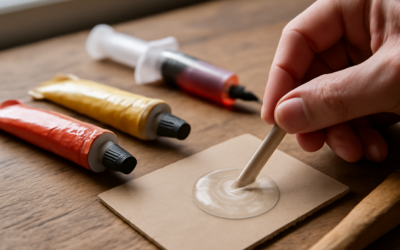
- Use a dedicated fireplace glass cleaner or a paste of non-abrasive, ammonia-free cleaner. Ammonia and standard glass cleaners can etch and permanently fog the ceramic glass.
- Wipe with a soft microfiber cloth, never a scouring pad or razor.
- For stubborn white film, a damp cloth dipped in fireplace ash (fine and mildly abrasive) lifts it gently.
- Reseat the glass and gasket completely — a poorly sealed door lets combustion gases into the room.
Seasonal Startup and Shutdown
Bookend the heating season with two simple routines. At startup in fall, before the first fire, vacuum out summer dust and cobwebs from the burner and logs, confirm the pilot lights cleanly, watch the first burn for proper flame color, and expect a faint odor as accumulated dust burns off (ventilate the room for that first fire). At shutdown in spring, many owners turn off a continuous standing pilot to save gas over the summer — check your manual, since some units are designed to leave it on to prevent condensation and spider nesting in the burner. Either way, close the glass, cover any decorative front, and schedule the annual professional service before you forget. These bookend habits keep the unit reliable and catch small problems before the cold sets in.
A Simple Maintenance Calendar
- Monthly: test CO detectors; glance at the flame color (should be mostly blue with yellow tips).
- Seasonally: clean the glass, dust the logs and vents with the gas off and unit cool.
- Annually (before heating season): professional inspection, leak test, burner and vent cleaning, safety checks.
- Every 5 to 7 years: replace CO detectors.
The Bottom Line
Gas fireplace maintenance is straightforward but essential: an annual professional service handles the gas connection, burner, venting, and safety sensors, while you handle glass cleaning, dusting, and CO detector checks between visits. Always shut off the gas and let the unit cool before DIY work, keep combustibles 3 feet away, and treat any gas smell or sooty yellow flame as a stop-and-call-a-pro moment. Stay on schedule and your gas fireplace stays safe, efficient, and ready every cold evening.