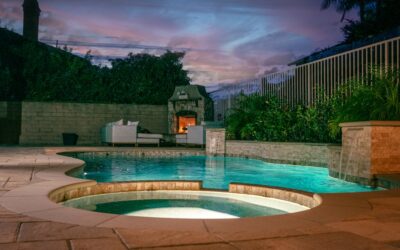
A gazebo turns an unused stretch of lawn into a destination, and the best gazebo ideas for backyard spaces blend shade, comfort, and personality into one inviting structure. Whether you picture quiet morning coffee, summer dinners under string lights, or a shaded spot for a hot tub, a gazebo gives your yard a defined gathering place that feels like an outdoor room. The trick is choosing the right size, material, and style for how you actually live, then layering in the details that make it feel finished. Here are ideas to help you design a backyard retreat worth coming home to.
Part of our Decks & Outdoor guide — explore the full guide →
Choosing the Right Gazebo Style
The shape and roofline set the whole tone of the structure. Traditional octagonal and hexagonal gazebos read classic and formal, with peaked roofs that suit cottage and colonial homes. Square and rectangular gazebos feel more modern and offer more usable floor space for furniture and dining. Open-air pergola-style structures with slatted roofs give a contemporary, airy look while filtering sunlight.
Match the style to your home’s architecture so the gazebo feels intentional rather than dropped in. A sleek, flat-roofed cedar structure complements a modern home, while an ornate Victorian gazebo with decorative trim suits a traditional one. Consistency between house and yard makes the whole property feel cohesive.
Material Options to Consider
Material affects cost, maintenance, and longevity, so choose based on your climate and how much upkeep you are willing to do. Each option has clear trade-offs:
- Wood (cedar or pressure-treated pine): warm and classic, but needs periodic sealing or staining
- Vinyl: low maintenance and rot-proof, ideal for humid or rainy regions
- Aluminum or steel: durable and modern, often used for hardtop kits
- Soft-top fabric gazebos: affordable and portable for seasonal or budget use
For a permanent structure, cedar and vinyl are the most popular choices. Cedar naturally resists insects and decay, while vinyl shrugs off moisture entirely. If you want something temporary or movable, a pop-up canopy or soft-top gazebo costs a fraction of the price.
Creating an Outdoor Dining Spot
One of the most rewarding uses of a backyard gazebo is as an open-air dining room. Center a sturdy outdoor table under the roof, sized so chairs can pull out without bumping the posts, and you have a shaded place to eat from spring through fall. A rectangular gazebo of at least 12 by 14 feet comfortably fits a six-seat table with room to move around it.
Enhance the dining experience with a few practical touches. A nearby outlet or a battery lantern provides evening light, an outdoor rug defines the space, and mosquito netting or curtains keep bugs at bay during dinner. Position the gazebo within easy reach of the kitchen or a built-in grill so serving food is effortless.
Lighting Ideas for Ambiance
Lighting transforms a gazebo from a daytime shade structure into a magical evening retreat. The right glow makes the space usable long after sunset and sets a relaxed mood. Consider combining several layers of light:
- String lights: draped along the rafters for a warm, festive ambiance
- Solar lanterns: hung from posts or beams with no wiring required
- A central chandelier or pendant: for a polished, indoor-outdoor feel
- Low-voltage path lights: guiding the way to and around the structure
Warm-toned bulbs around 2700K feel cozy and inviting, while cooler light reads stark outdoors. Dimmable or smart bulbs let you shift from bright task light for dining to a soft glow for relaxing.
Furnishing for Comfort
How you furnish the gazebo determines whether people actually linger there. For a lounge feel, fill it with weather-resistant sofas and chairs, plush outdoor cushions, and a coffee table or fire-safe accent table. For a multipurpose space, mix seating with a small side table and leave room to rearrange for gatherings.
Choose fabrics rated for the outdoors, such as solution-dyed acrylic, which resists fading and mildew. Add a weatherproof outdoor rug to anchor the seating and warm up a bare floor. A few throw pillows, a lantern, and a potted plant or two turn an empty structure into a space that feels like part of the home.
Adding Privacy and Shade
An exposed gazebo in the middle of an open yard can feel less inviting than one with a sense of enclosure. Outdoor curtains on a tension rod or track add instant privacy and let you close off the space from wind, sun, or nosy neighbors. Lattice panels, climbing vines, or tall potted plants around the base soften the structure and create a green, secluded feel.
For sun control, the roof handles overhead light, but a low afternoon sun can still cut underneath. Drop-down shades, bamboo blinds, or strategically placed plantings block the glare. The more layered shade and privacy you build in, the more hours of the day the gazebo stays comfortable.
Practical Placement and Foundation Tips
Where you put the gazebo matters as much as how you build it. Choose a level spot with good drainage, ideally with a pleasant view and a sensible distance from the house for easy access. Consider the sun’s path: a location shaded by afternoon trees stays cooler in summer, while full sun is welcome in cooler climates.
A permanent gazebo needs a stable foundation, whether a concrete pad, a paver patio, or properly set footings, to keep it level and prevent shifting over time. Check local building codes and homeowner association rules before you build, since many areas require a permit for a permanent roofed structure. Getting the foundation and placement right from the start saves expensive corrections later.
Budget-Friendly Approaches
A gazebo does not have to break the bank. Prefabricated kits, both wood and metal, let you assemble a quality structure for far less than custom construction, often in a weekend with a helper. Soft-top and pop-up gazebos offer shade and style for a few hundred dollars and can be stored over winter. If you are handy, building from plans with off-the-shelf lumber is the most economical route of all.
You can also phase the project: build the basic structure first, then add lighting, furniture, and curtains over time as the budget allows. Even a simple gazebo, well placed and thoughtfully furnished, delivers the relaxing outdoor retreat that makes a backyard feel complete.