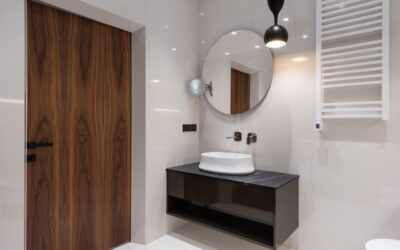
Pocket doors already save the floor space that a swinging door wastes, but swap the solid panel for glass and you gain something else entirely: light. A glass pocket door slides into a wall cavity to disappear when open, while its transparent or frosted panel keeps rooms bright and visually connected even when closed. This guide covers where glass pocket doors work best, the glass and privacy options, what they cost, how they are installed, and the mistakes to avoid so the door glides smoothly for years.
Part of our Windows & Doors guide — explore the full guide →
Why Choose Glass Over a Solid Panel
The appeal comes down to light and openness. A solid pocket door, when closed, walls off a room and can make small or interior spaces feel dark. A glass panel lets natural light pass between rooms, keeps sightlines open, and makes tight spaces feel larger, all while still sliding completely out of the way into the wall. It is a favorite for home offices, en suite bathrooms, closets, pantries, and rooms that borrow daylight from an adjacent window. You get the space savings of a pocket door and the brightness of an open doorway.
Best Places to Use One
Glass pocket doors suit specific spots especially well:
- Home offices, where you want to close off noise but keep light and a connected feel.
- En suite and powder bathrooms, using frosted or textured glass for privacy while brightening a windowless bath.
- Pantries and closets, where clear or reeded glass adds a designer touch.
- Between a kitchen and dining room, letting you separate cooking smells without blocking light.
- Laundry rooms, hiding the mess while keeping the space from feeling like a dark closet.
Glass Types and Privacy
The glass you choose controls how much you see through it, which matters most for bathrooms and offices:
- Clear glass maximizes light and openness but offers no privacy; best for pantries and closets.
- Frosted or acid-etched glass passes light while obscuring detail, the go-to for bathrooms.
- Reeded or fluted glass has vertical ridges that distort the view stylishly and is very on-trend.
- Textured or patterned glass adds decorative privacy.
- Switchable smart glass turns from clear to opaque at the flip of a switch, a premium option for full flexibility.
For safety, any door glass should be tempered so it crumbles into blunt pieces rather than shards if broken; this is a code requirement for doors in most jurisdictions.
Framed vs Frameless Designs
Glass pocket doors come framed or frameless. A framed door surrounds the glass in wood, aluminum, or steel, giving a substantial, finished look, whether a modern black-steel grid or a traditional painted wood stile-and-rail. A frameless design is a single tempered glass slab with minimal hardware for a sleek, contemporary feel. Framed doors are generally more forgiving to install and adjust, while frameless slabs demand precise hardware and a perfectly level track. Steel-framed “factory-style” glass doors are especially popular in modern and industrial interiors.
Cost Expectations
A glass pocket door costs more than a solid one because of the glass and the heavier-duty hardware it requires. Budget roughly:
- The door panel: $300 to $1,200 depending on glass type, framing, and size; smart switchable glass runs far higher.
- The pocket frame and track kit: $150 to $450, and it must be rated for the heavier glass weight.
- Installation: $500 to $1,500 in new construction, and $1,500 to $3,500 or more for a retrofit that requires opening and reframing a finished wall.
Because glass is heavy, always buy a heavy-duty kit rated for the panel’s weight; a light builder kit will bind and fail under a solid glass slab.
Installation Overview
The process mirrors any pocket door but with extra attention to weight and leveling:
- Confirm the wall is non-load-bearing and free of plumbing or wiring in the pocket zone, or plan to reroute them.
- Frame the pocket with a heavy-duty steel split-stud kit rated for the glass door’s weight.
- Set the header track dead level, the single most important step, since a heavy glass door will drift on even a slightly out-of-level track and is unforgiving of errors.
- Hang the door on its rollers, adjust the height and depth, and set the floor guide.
- Close the wall with drywall, mapping screws away from the door path so nothing scratches the glass.
- Install pulls and any lock, using flush and edge pulls designed for glass or framed pocket doors.
Because glass panels are heavy and fragile, many homeowners hire a pro for at least the hanging and adjustment.
Hardware and Pulls
Glass doors need hardware sized for their weight and thickness. Flush pulls sit flat so the door can enter the pocket, and an edge pull on the leading edge lets you draw the door back out. For a bathroom, add a pocket-door privacy latch compatible with your door’s construction. Soft-close dampers are especially worthwhile on a heavy glass door, cushioning it so it never slams into the pocket, which protects both the glass and the frame. Choose finishes, matte black, brushed nickel, brass, that coordinate with your other hardware.
Common Mistakes to Avoid
Watch out for these pitfalls:
- Using a light-duty kit not rated for glass, leading to a door that sticks or jumps the track.
- An out-of-level header, which makes a heavy glass door creep open or closed on its own.
- Non-tempered glass, which is a safety hazard and usually a code violation.
- Choosing clear glass for a bathroom and losing all privacy; pick frosted or reeded.
- Screws puncturing into the pocket during drywall work and scratching the glass.
- Skipping soft-close, letting a heavy door slam and risking a crack.
Energy and Sound Considerations
Glass changes how a pocket door handles heat and sound, which is worth planning for. A single pane of glass insulates poorly, so between a conditioned room and an unconditioned one, or where you want real sound separation, look for a thicker laminated panel or an insulated double-glazed unit, though the latter is heavy and demands the sturdiest hardware. Like any pocket door, a glass panel seals less tightly than a hinged door, so it will not fully block sound or drafts; adding brush seals along the jamb and choosing laminated glass, which dampens sound better than standard tempered, noticeably improves acoustic privacy. For interior room dividers where light matters more than insulation, a simple tempered single pane is perfectly adequate and keeps the weight and cost down.
Design Styles and Trends
Glass pocket doors have become a design statement, not just a functional choice, and the panel style sets the tone of the room. Black-framed grid doors, echoing steel factory windows, bring an industrial-modern edge that pairs well with open-plan lofts and contemporary kitchens. Reeded and fluted glass is having a strong moment, adding vintage-modern texture and soft privacy that suits offices and bathrooms alike. Frameless clear panels read minimalist and disappear visually, ideal where you want light and openness above all. Warm wood frames lend a traditional or transitional feel. Matching the frame material and glass texture to your interior style, and coordinating the pull finish with your other hardware, is what makes the door feel designed rather than merely installed.
Maintenance and Care
Upkeep is easy. Wipe the glass with a standard glass cleaner, and clean the exposed track occasionally, then lubricate the rollers with dry silicone spray, never oil. Check that the door still glides freely and adjust the roller hangers if it begins to rub. Because the glass is tempered and the hardware is quality-rated, a properly installed glass pocket door needs little more than the occasional cleaning to keep gliding and looking sharp for many years.
A glass pocket door delivers the best of both worlds, reclaiming the floor space a swinging door wastes while letting light flow between rooms even when closed. Match the glass to your privacy needs, insist on tempered safety glass, buy a pocket frame and track rated for the heavier weight, and set that header perfectly level. Add soft-close hardware and confirm what is inside the wall before you cut, and you will have a bright, space-saving door that glides open to nothing and closes with quiet, modern style.