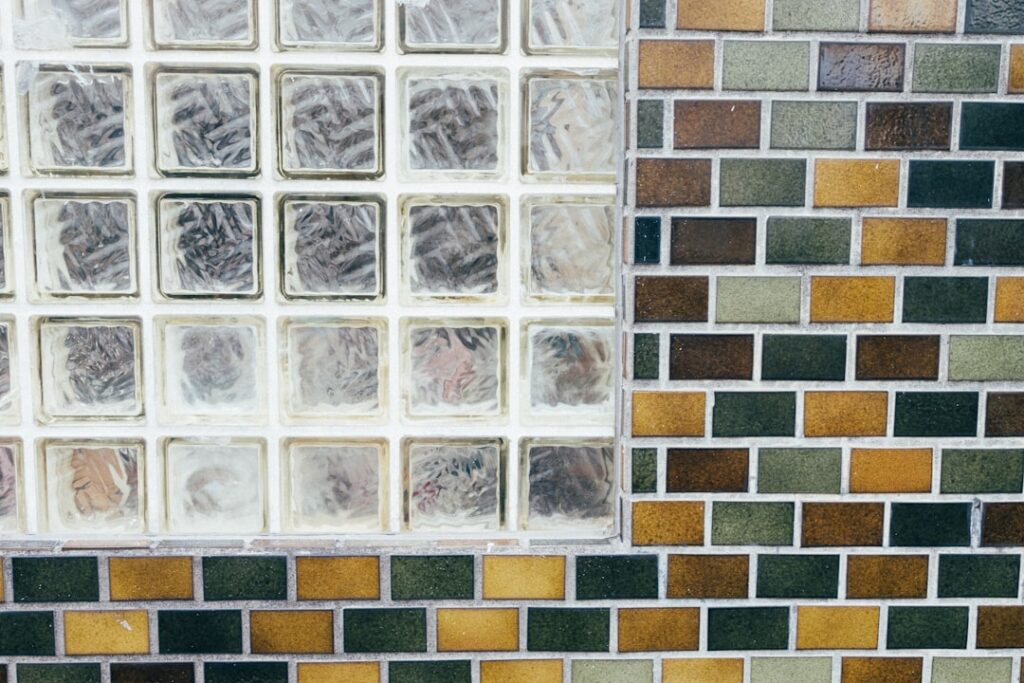
Glass tile transforms light in a way no other tile material can. Because glass is translucent, it catches, reflects, and refracts light to create depth, shimmer, and color intensity that porcelain, ceramic, and natural stone simply cannot replicate. This unique optical quality has made glass tile the material of choice for backsplashes, shower accents, pool linings, and decorative walls in both residential and commercial design.
- Types of Glass Tile
- Subway Glass Tile
- Mosaic Glass Tile
- Large-Format Glass Tile
- Recycled Glass Tile
- Textured and 3D Glass Tile
- Popular Applications
- Kitchen Backsplash
- Shower Walls and Accents
- Pool and Spa Linings
- Decorative Walls and Fireplace Surrounds
- Floor Use — A Caution
- Cost
- Installation
- Color and Design Options
- Pros and Cons of Glass Tile
- Glass vs Ceramic Tile
- Frequently Asked Questions
This guide covers everything you need to know about glass tile — types, popular applications, cost expectations, installation requirements, color options, pros and cons, and how glass compares to ceramic tile.
Types of Glass Tile
Glass tile comes in several formats, each suited to different applications and design styles.
Subway Glass Tile
Glass subway tiles follow the classic 3-by-6-inch rectangular format that has been a design staple since the early 1900s. In glass, the subway shape takes on a modern, luminous quality that elevates the familiar pattern. Glass subway tiles are available in dozens of colors, from clear and frosted to bold blues, greens, and metallics. They are the most popular glass tile format for kitchen backsplashes.
Mosaic Glass Tile
Glass mosaics are small tiles (typically 1×1 inch, 1×2 inch, or penny round) mounted on mesh-backed sheets for easy installation. Mosaics offer the most design flexibility — they can wrap around curves, fill shower niches, create borders, and form intricate patterns. Mixed-media mosaics that combine glass with stone, metal, or porcelain elements are especially popular for adding texture and visual interest.
Large-Format Glass Tile
Large-format glass tiles (8×16 inches, 12×24 inches, or larger) create a sleek, contemporary look with fewer grout lines. They are more challenging to install than smaller formats because any imperfection in the substrate shows through the translucent material. Large-format glass is typically back-painted or coated rather than through-body colored, and it requires a perfectly flat installation surface.
Recycled Glass Tile
Made from post-consumer recycled glass (bottles, windows, mirrors), recycled glass tile appeals to eco-conscious homeowners. The recycled content gives these tiles unique color variations and sometimes visible inclusions that add character. Brands like Bedrosians Eco and Oceanside Glasstile offer extensive recycled glass collections.
Textured and 3D Glass Tile
Some glass tiles feature textured surfaces — rippled, beveled, crackled, or three-dimensional patterns that add tactile interest and diffuse light differently than smooth glass. Crackled glass (also called “crackle glass”) has intentional internal fractures that create a frosted, antique appearance while remaining structurally sound.
Popular Applications
Kitchen Backsplash
The kitchen backsplash is where glass tile truly shines — literally. Glass is non-porous, stain-resistant, and easy to wipe clean, making it ideal for the area behind stoves and sinks where grease, water, and food splatter daily. The reflective surface brightens the kitchen, and the color options are virtually unlimited. Glass subway tile in white, soft gray, or sage green is the most popular backsplash choice, while glass mosaics work well as accent strips or feature panels.
For backsplash design inspiration, see our kitchen backsplash ideas and tile backsplash guide.
Shower Walls and Accents
Glass tile is waterproof and mold-resistant, making it an excellent shower material. Most designers use glass as an accent — a horizontal band, a shower niche liner, or a feature wall — rather than covering the entire shower enclosure. Full glass tile showers are stunning but expensive and more difficult to install. In showers, choose a matte or textured glass on the floor for slip resistance, and save glossy glass for walls.
Pool and Spa Linings
Glass tile has been the gold standard for pool interiors for decades. Its non-porous surface resists algae, chemicals, and UV degradation. Underwater, glass tile creates extraordinary color depth as light passes through the water and interacts with the translucent surface. Pool-rated glass tile must meet specific durability and slip-resistance standards.
Decorative Walls and Fireplace Surrounds
Glass tile is increasingly used on accent walls, fireplace surrounds, and bathroom feature walls. The reflective surface adds drama and dimension to these focal points. Heat-rated glass tile is available for fireplace applications.
Floor Use — A Caution
Glass tile is not generally recommended for floors. Standard glass tile is slippery when wet and can crack under heavy point loads (furniture legs, dropped objects). If you want glass on the floor, choose small mosaics with textured surfaces in low-traffic, wet areas only — such as shower floors or powder room accents.
Cost
Glass tile is one of the more expensive tile materials, especially for mosaics and specialty products.
| Glass Tile Type | Material Cost (per sq ft) |
|---|---|
| Basic glass subway tile | $5.00 – $12.00 |
| Glass mosaic (mesh-backed) | $8.00 – $20.00 |
| Large-format glass tile | $10.00 – $25.00 |
| Recycled glass tile | $8.00 – $18.00 |
| Designer/artisan glass tile | $20.00 – $30.00+ |
| Professional installation | $8.00 – $15.00 |
| Total installed (typical backsplash) | $15.00 – $35.00 |
Glass tile costs 2 to 5 times more than basic ceramic tile. However, because glass is typically used for backsplashes and accents (20 to 50 square feet) rather than entire floors (100 to 500 square feet), the total project cost remains manageable. A 30-square-foot kitchen backsplash in mid-range glass subway tile might cost $500 to $900 for materials — premium but not unreasonable for a high-impact design element.
Installation costs are higher than ceramic or porcelain because glass requires specialized techniques, slower setting times, and more careful handling. Budget 20% to 30% more for labor compared to standard tile installation.
Installation
Installing glass tile requires different materials and techniques than ceramic or porcelain tile. The translucent nature of glass means everything behind and around the tile is visible.
Use White Thinset
Standard gray thinset shows through translucent glass and muddies the color. Always use a white, latex-modified thinset specifically rated for glass tile. Apply the thinset with a V-notch trowel (not a square-notch) to minimize visible trowel lines. Some installers back-butter each tile individually for the smoothest, most consistent appearance.
Careful Grouting
Glass tile edges are more delicate than ceramic. Use unsanded grout for joints 1/8 inch or smaller — sanded grout can scratch the glass surface. Apply grout with a rubber float, working diagonally across the tiles. Clean grout haze immediately with a damp sponge because dried grout is much harder to remove from glass than from ceramic without risking scratches.
Cutting Glass Tile
Glass tile can be cut with a wet saw equipped with a diamond blade rated for glass. Score-and-snap cutters work for straight cuts on some glass tiles but may cause chipping. For mosaic sheets, cut the mesh backing with scissors and trim individual tiles with nippers or a wet saw. Always wear safety glasses when cutting glass.
Substrate Preparation
Because glass is translucent, the wall behind it must be smooth, flat, and uniformly colored. Use a white or light-colored cement backer board. Patch any imperfections with a white setting compound. Dark patches, screw heads, and uneven surfaces will all telegraph through the glass.
For more on tile installation techniques, see our tile flooring guide.
Color and Design Options
Color is the primary reason designers choose glass tile over other materials. Glass can be produced in virtually any color, from soft neutrals to intense jewel tones, and the translucent quality gives each color a depth and luminosity that opaque materials cannot match.
Popular Color Families
- Blues and greens — The most popular glass tile colors, reminiscent of water, sea glass, and nature. Range from pale aqua to deep navy and emerald.
- Whites and creams — Clean, timeless, and versatile. White glass has a luminous quality that bright white ceramic lacks.
- Grays — Modern and sophisticated. Gray glass pairs with virtually any kitchen or bathroom color scheme.
- Metallics — Gold, copper, silver, and bronze glass tiles add glamour and warmth. Often used as accent tiles mixed with solid colors.
- Bold colors — Red, orange, yellow, and purple glass tiles create dramatic statements. Best used sparingly as accents unless you want a bold, maximalist space.
Finish Options
Glass tiles come in glossy (high-shine, maximum reflectivity), matte (frosted, softer light), iridescent (rainbow shimmer coating), and textured (rippled, beveled) finishes. Mixing finishes within a single installation — for example, glossy field tiles with iridescent accent tiles — creates visual interest without adding additional colors.
Pros and Cons of Glass Tile
| Pros | Cons |
|---|---|
| Unique translucency and light-reflecting quality | Expensive — $5 to $30+ per sq ft |
| Non-porous — will not absorb stains or water | Scratches more easily than porcelain |
| Easy to clean (wipe with glass cleaner) | Shows imperfections in substrate |
| Enormous color range | Slippery when wet — not ideal for floors |
| Mold and mildew resistant | Higher installation cost (specialized techniques) |
| Eco-friendly recycled options available | Can chip or crack from impact |
| UV-resistant — colors do not fade | Requires white thinset and careful grouting |
| Adds perceived value to kitchen and bath | Limited suitability for floor applications |
Glass vs Ceramic Tile
Here is how glass tile compares to ceramic tile across key factors.
| Feature | Glass Tile | Ceramic Tile |
|---|---|---|
| Translucency | Yes — light passes through | No — opaque |
| Material cost | $5 – $30/sq ft | $1 – $8/sq ft |
| Installation cost | Higher (specialized) | Lower (standard) |
| Stain resistance | Excellent (non-porous) | Good (glaze protects, but body is porous) |
| Scratch resistance | Moderate | Good to excellent |
| Impact resistance | Lower — can chip or crack | Higher |
| Floor suitability | Limited (accent only) | Excellent |
| Color depth | Superior — luminous | Good — printed or glazed |
| Design versatility | Backsplash, shower, accents | Floors, walls, counters, exterior |
| DIY friendliness | Moderate (requires care) | High |
Choose glass tile for backsplashes, shower accents, and anywhere you want color depth and light interaction. Choose ceramic tile for floors, full-wall installations, and budget-conscious projects. Many designers combine both — ceramic for the field and glass for accent strips or borders.
See our mosaic tile guide for more options in small-format decorative tile.
Frequently Asked Questions
Is glass tile good for kitchen backsplashes?
Glass tile is one of the best materials for kitchen backsplashes. It is non-porous (no staining from grease or food), easy to wipe clean, heat-resistant behind stoves, and offers unmatched color depth and luminosity. Glass subway tile and mosaic are the most popular backsplash formats.
Can you use glass tile on shower walls?
Yes. Glass tile is waterproof, mold-resistant, and beautiful in showers. It works perfectly for shower walls, niches, and accent bands. For shower floors, choose only small-format mosaics with textured surfaces for adequate slip resistance. Ensure proper waterproofing behind the tile (RedGard or similar membrane).
How much does glass tile cost?
Glass tile costs $5 to $30+ per square foot for materials. Basic glass subway tile runs $5 to $12/sqft, mosaics cost $8 to $20/sqft, and designer or artisan glass can exceed $30/sqft. Installation adds $8 to $15/sqft because glass requires specialized techniques.
Is glass tile hard to install?
Glass tile is more challenging to install than ceramic or porcelain. You must use white thinset (gray shows through), prepare a perfectly smooth substrate, use unsanded grout for small joints, and clean grout haze promptly. Cutting requires a wet saw with a glass-rated blade. Most homeowners hire a professional with glass tile experience.
Does glass tile scratch easily?
Glass tile is more scratch-prone than porcelain or natural stone. Abrasive cleaning pads, sanded grout, and rough handling can scratch the surface. On walls and backsplashes, scratching is rarely an issue. On floors (where glass tile is not recommended for most applications), foot traffic and grit would scratch the surface over time.
Can you use glass tile on floors?
Glass tile is generally not recommended for floor use. It is slippery when wet, can crack under heavy point loads, and scratches more easily than porcelain or stone. Small-format glass mosaics with textured surfaces can be used on low-traffic shower floors and powder room accents, but large-format glass should stay on walls.
How do you clean glass tile?
Clean glass tile with a soft cloth and a non-abrasive glass cleaner or a mix of warm water and a few drops of dish soap. Avoid abrasive powders, scouring pads, and acidic cleaners (which can damage grout). Glass is non-porous, so stains sit on the surface and wipe away easily.
Explore our tile flooring guide for more tile types, or see tile backsplash ideas for your next kitchen project.
Prefer to explore on your own?
See how new flooring looks in your actual room in seconds — free, no signup.
Try the free Floor Studio →