Dark walls scare many homeowners, yet a well-planned moody room often feels warmer and more intimate than a white box. Gothic interior design draws on medieval cathedrals and Victorian Gothic Revival homes: pointed arches, deep jewel tones, carved dark wood, velvet, wrought iron and candlelit glow. Done tastefully, it creates rooms that feel romantic and enveloping rather than spooky or costume-like.
The trick is restraint. A modern gothic interior design scheme borrows the architecture, palette and textures of the style, then balances them with good lighting, comfortable furniture and plenty of texture so the room still works for daily life. You do not need a castle. A rented apartment can carry the look with paint, textiles and a few strong pieces.
We cover the core elements of the style, how to build a dark palette that does not feel like a cave, flooring and finishes that suit it, room-by-room ideas, and fixes for common mistakes.
The Core Elements of Gothic Interior Design
Gothic interior design traces back to the architecture of 12th to 16th century European churches, which emphasized height, light through stained glass and ornate stonework. The 19th-century Gothic Revival brought those motifs into homes. Today the style shows up through a handful of recognizable elements:
- Pointed arches: in doorways, mirrors, headboards, window frames and cabinet doors.
- Deep, saturated color: black, charcoal, oxblood, plum, forest green and midnight blue.
- Dark, carved wood: walnut, ebonized oak and heavily grained finishes with ornamental detail.
- Rich textiles: velvet, brocade, damask, heavy linen and faux fur.
- Metalwork: wrought iron, blackened steel, aged brass and antique gold.
- Atmospheric lighting: candelabra fixtures, sconces, low pools of warm light.
- Ornament: tracery patterns, quatrefoils, trefoils, ribbed vaulting motifs and gargoyle-style accents used sparingly.
You do not need all seven in one room. Two or three strong elements, repeated across the house, read as gothic far more convincingly than a room crammed with every motif.
Building a Dark Palette That Still Feels Livable
Color is where most dramatic rooms succeed or fail. Start by choosing one dominant dark color for walls. Charcoal, deep green and oxblood are easier to live with than pure black because they shift with daylight and show texture. Add a second dark tone for furniture or trim, then one metallic accent and one light neutral such as antique ivory or bone to give the eye somewhere to rest.
Finish matters as much as color. Flat or matte paint absorbs light and creates that velvety depth gothic rooms are known for, but it marks easily. In hallways and kitchens, an eggshell or satin finish is more scrubbable. Many designers paint walls, trim and even the ceiling the same dark color, called color drenching, which makes edges disappear and the room feel cocooning rather than small.
Contrast should be deliberate. A white ceiling over black walls can look harsh. Try a ceiling one or two shades lighter than the walls, or a deep metallic. Layer in light through materials instead: a cream velvet chair, a marble-topped table, a pale rug.
Floors and Finishes for a Gothic Look
Floors carry a lot of visual weight in a dark scheme. Dark-stained hardwood in walnut, espresso or ebony tones suits the style and reflects candlelight beautifully. It does show dust and scratches more than mid-tones, so a medium-dark brown can be a practical compromise in busy households. Herringbone and chevron patterns echo the geometry of Gothic tracery and add sophistication.
Stone and stone-look tile are the other natural choice. Slate, dark limestone and charcoal porcelain evoke cathedral floors. Black-and-white marble or porcelain in a checkerboard pattern is a classic Victorian Gothic hallway floor. In bedrooms and living rooms, layer a Persian-style or damask-pattern rug in deep red, navy or plum to soften hard flooring.
Wood-look luxury vinyl in a dark finish costs roughly $3 to $7 per square foot installed and handles moisture better than hardwood, making it a sensible choice for basements or kitchens with a gothic theme. Solid hardwood generally runs about $8 to $15 per square foot installed, and stone tile varies widely from about $10 to $30.
For walls, consider paneling, picture-frame molding or applied Gothic arch trim painted the wall color. Plaster finishes, limewash in dark pigments or textured wallpaper with damask or botanical patterns add depth that flat drywall lacks.
Step-by-Step: Turning an Ordinary Room Gothic
- Pick the anchor. Choose one hero piece: a carved four-poster bed, an arched mirror, a velvet sofa or a dramatic chandelier. Build the room around it.
- Paint. Prime with a tinted primer before applying deep colors; it reduces the number of topcoats. Ventilate the room while painting and drying.
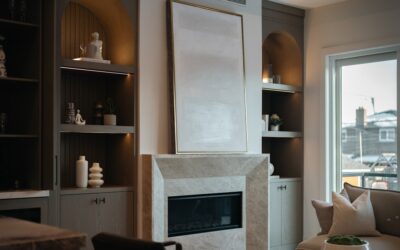
- Add architecture. Install arched trim around a doorway, add a pointed-arch bookcase, or hang an arched mirror over the mantel. Secure heavy mirrors and shelving into studs or with anchors rated for the weight.
- Layer textiles. Hang floor-length velvet or heavy linen drapes, add a dark rug, and pile on throws and pillows in two or three textures.
- Light it in layers. Combine a statement ceiling fixture, wall sconces and table lamps. Use warm 2200K to 2700K bulbs on dimmers. If you install hardwired sconces or a chandelier, turn off the breaker and confirm power is off with a non-contact voltage tester, and call a licensed electrician for new boxes or circuits.
- Accessorize with intention. Add a few antique books, a candelabra, dried flowers or a vintage oil painting. Group objects in odd numbers and leave space around them.
Real candles are part of the mood, but they are also a fire risk around heavy drapes and upholstery. Keep open flames well away from fabric, never leave them unattended, and consider realistic flameless candles for high shelves and bedrooms.
Room-by-Room Ideas
Living Room
A deep green or charcoal room with a tufted velvet sofa, a carved wooden coffee table and an iron chandelier makes a dramatic but welcoming space. A gilded or arched mirror over the fireplace amplifies light.
Bedroom
Bedrooms are the easiest place to go fully gothic because they benefit from darkness. A tall upholstered or canopy bed, blackout velvet curtains and plum or midnight bedding create a restful cave. Keep nightstand lamps warm and dimmable.
Dining Room
Oxblood walls, a dark wood table, high-backed upholstered chairs and a candelabra-style chandelier evoke a medieval great hall. Brass or gold accents on the table add sparkle in low light.
Bathroom
Black or deep green tile, a dark vanity, an arched mirror and aged brass fixtures make a small bath feel like a jewel box. Keep the room ventilated, since dark grout and paint highlight water spots and mildew.
Troubleshooting a Gothic Room That Feels Wrong
It feels like a cave. Add more light sources at different heights and introduce one or two pale or reflective surfaces such as marble, mirror or ivory upholstery.
It looks like a costume shop. Remove literal props such as skulls, bats and fake cobwebs. Let architecture, color and texture convey the style.
The colors look muddy. Dark paints need consistent undertones. If green walls clash with plum fabric, find a unifying third color or shift one choice toward the same warm or cool family.
Everything blends together. Vary texture: matte walls, glossy lacquer, soft velvet, rough iron. Texture keeps a dark room legible.
Dust shows everywhere. Dark floors and furniture reveal dust. Use a microfiber mop weekly and an entry mat to cut down on grit.
Costs and When to Hire Help
A basic gothic room refresh with paint, textiles and lighting often lands between $500 and $3,000. Adding custom arched millwork, new flooring or a statement chandelier can push it to $5,000 to $15,000 or more depending on size and materials. Antique and vintage carved pieces vary widely, so hunting at estate sales and auctions can stretch your budget.
Painting and styling are well within DIY range. Hire a finish carpenter for custom arches and paneling, a flooring pro for stained hardwood or stone, and a licensed electrician for any new fixtures or circuits. In older homes, test for lead before sanding painted trim and for asbestos before removing old flooring or plaster.
Frequently Asked Questions
What colors are used in gothic interior design?
Black, charcoal, oxblood, burgundy, plum, forest green and midnight blue are the classic choices, paired with metallic accents in gold, brass or iron and a light neutral like ivory for contrast.
Can a small room handle a dark gothic palette?
Yes. Dark colors blur corners and can make a small room feel cozy and enveloping. Paint walls, trim and ceiling in related dark tones and use layered lighting.
What is modern gothic interior design?
Modern gothic keeps the dark palette, arches and rich textures but uses cleaner furniture shapes, fewer ornaments and contemporary lighting, so the room feels current rather than historic.
Which flooring suits a gothic home?
Dark-stained hardwood, herringbone patterns, slate, dark stone-look porcelain and black-and-white checkerboard tile all suit the style, softened with patterned rugs.
How do I make a gothic room feel warm instead of cold?
Use warm undertones, warm 2200K to 2700K bulbs, plenty of soft textiles like velvet and wool, and wood with visible grain. Avoid stark white contrast and cool blue lighting.