Few pieces of furniture make a living room feel as grounded and permanent as stone. A granite coffee table brings the same hardwearing surface you would find on a high-end kitchen counter into the center of your seating area, where it shrugs off hot mugs, sweating glasses, and years of daily use. If you are tired of replacing scratched and water-ringed tables, natural stone offers a near-permanent answer. The catch is weight, cost, and a few care habits worth knowing before you commit.
Part of our Countertops guide — explore the full guide →
- Why Choose Granite Over Wood or Glass
- Common Styles and Configurations
- The Weight Factor You Cannot Ignore
- Sealing and Stain Resistance
- Day-to-Day Cleaning
- Matching the Table to Your Room
- Is a Stone Coffee Table Worth It?
- Base Materials and Construction
- Edge Profiles and Detailing
- Final Considerations Before You Buy
Why Choose Granite Over Wood or Glass
Granite is an igneous rock formed under intense heat and pressure, which makes it one of the hardest surfaces you can put in a home. It ranks roughly 6 to 7 on the Mohs hardness scale, meaning everyday keys, coins, and remote controls will not scratch it the way they mar softer wood. Set a hot drink down without a coaster and the stone simply will not care.
Compared to glass, which shows every fingerprint and chips at the edges, granite hides smudges and resists impact. Against wood, it wins on water resistance and heat tolerance. The visual payoff is real too. No two slabs are identical, so each table carries a unique pattern of speckles, veining, and mineral flecks.
Common Styles and Configurations
These tables come in more forms than most buyers expect. The right one depends on your room’s scale and how the table will be used.
- Full granite slab tops: A solid stone top on a metal or wood base. The most durable option and the heaviest.
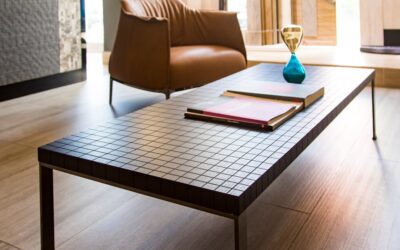
- Granite tile tops: Smaller stone tiles set into a frame, lighter and easier to move, though grout lines need cleaning.
- Live-edge or natural-edge slabs: Tops left with an irregular natural border for an organic look.
- Storage-base designs: A stone top paired with a base offering drawers or a lower shelf for remotes, books, and clutter.
The Weight Factor You Cannot Ignore
Granite is dense. A slab measuring just three-quarters of an inch thick weighs roughly 12 to 13 pounds per square foot. A modest 40-inch by 24-inch top can easily exceed 70 to 80 pounds before you add the base. That heft is a feature once the table is in place, since it will never wobble or slide, but it has real consequences.
Plan your delivery and placement carefully. You will want two people to move it, and you should confirm your floor can handle the concentrated load, especially over older subflooring. Once positioned, a stone-topped table is not something you casually slide to vacuum behind.
Sealing and Stain Resistance
Despite its toughness, granite is naturally porous and can absorb liquids if left unsealed. Most quality tables arrive pre-sealed, but that seal is not permanent. A simple test tells you when to reapply: drop a small puddle of water on the surface and watch. If it beads up, the seal is intact. If it soaks in and darkens the stone within a few minutes, it is time to reseal.
Resealing is a quick job. Wipe on a penetrating stone sealer with a soft cloth, let it absorb for the time on the label, then buff off the excess. Doing this once or twice a year keeps red wine, coffee, and oily snacks from leaving permanent marks.
Day-to-Day Cleaning
Caring for the surface is refreshingly simple, with one important rule: skip acidic and abrasive cleaners. Vinegar, lemon, bleach, and harsh scouring powders can dull the polish or break down the sealer over time.
- Wipe daily with a soft microfiber cloth and warm water
- For grime, use a pH-neutral stone cleaner or a drop of mild dish soap
- Blot spills promptly rather than letting them sit
- Dry the surface after cleaning to avoid water spots
- Never drag heavy or sharp objects across the polished top
Matching the Table to Your Room
Color and finish drive how the piece reads in a space. Lighter granites with cream, beige, and gold tones feel warm and casual, blending into traditional and transitional rooms. Darker slabs in black, deep gray, and charcoal bring a modern, dramatic edge and hide dust between cleanings. A polished finish reflects light and looks formal, while a honed or leathered finish offers a softer, matte texture that disguises fingerprints.
Scale matters as much as color. In a tight living room, an oversized slab can feel heavy both visually and literally, so measure your seating layout and leave 14 to 18 inches of walking clearance between the table and your sofa.
Is a Stone Coffee Table Worth It?
For homeowners who want a centerpiece that survives kids, pets, parties, and decades of coffee cups, the answer is usually yes. The upfront cost runs higher than basic wood or glass, and the weight demands planning, but the tradeoff is a surface that essentially never wears out. You buy it once. Pair it with a sturdy base, keep it sealed, and clean it gently, and a granite-topped table becomes one of those rare furnishings you never have to think about replacing.
Base Materials and Construction
The base carries the weight and sets the style, so it deserves as much attention as the stone. Metal bases in steel, iron, or brass tend to be the strongest and pair well with heavy slabs, giving an industrial or modern edge. Solid wood bases bring warmth and a more traditional feel but must be substantial enough to support the stone without flexing. Avoid flimsy particleboard or thin frames, which can sag or fail under the concentrated weight of a stone top over time.
Check how the top attaches to the base. Quality designs secure the slab with brackets, silicone, or a recessed fit so it cannot shift or slide off. A heavy top simply resting loose on a base is a hazard, especially in homes with children who might lean or climb on it.
Edge Profiles and Detailing
Small details separate a refined table from a generic one. The edge profile of the stone affects both looks and safety. A polished eased or rounded edge feels smooth and is friendlier in a room with kids, while a sharp square edge reads more modern but can be hard on shins and corners. Beveled and bullnose profiles add a touch of detail. Run your hand along any edge before buying to make sure it is finished smoothly and not left rough from cutting.
Final Considerations Before You Buy
Before purchasing, confirm three things: the thickness of the stone top, the total assembled weight, and whether the table comes sealed. Thicker slabs cost more but resist cracking. Knowing the weight up front saves a delivery headache. And a pre-sealed top means you can enjoy the table right away while planning your maintenance schedule. Get those details right, and a granite coffee table will anchor your living room with the kind of quiet, lasting quality that cheaper materials simply cannot match.