Few landscaping materials deliver durability and good looks with as little upkeep as crushed stone, and granite stands at the top of that list. Granite landscape rock brings natural color, excellent drainage, and decades of service to garden beds, pathways, and decorative features, making it a favorite for homeowners who want their yards to look polished without constant maintenance.
Part of our Countertops guide — explore the full guide →
This guide walks through the common types, the best uses around your property, realistic pricing, how to calculate how much you need, and how to install it for lasting results. Whether you are edging a flower bed or building a low-water yard, granite rock is worth understanding.
What Is Granite Landscape Rock?
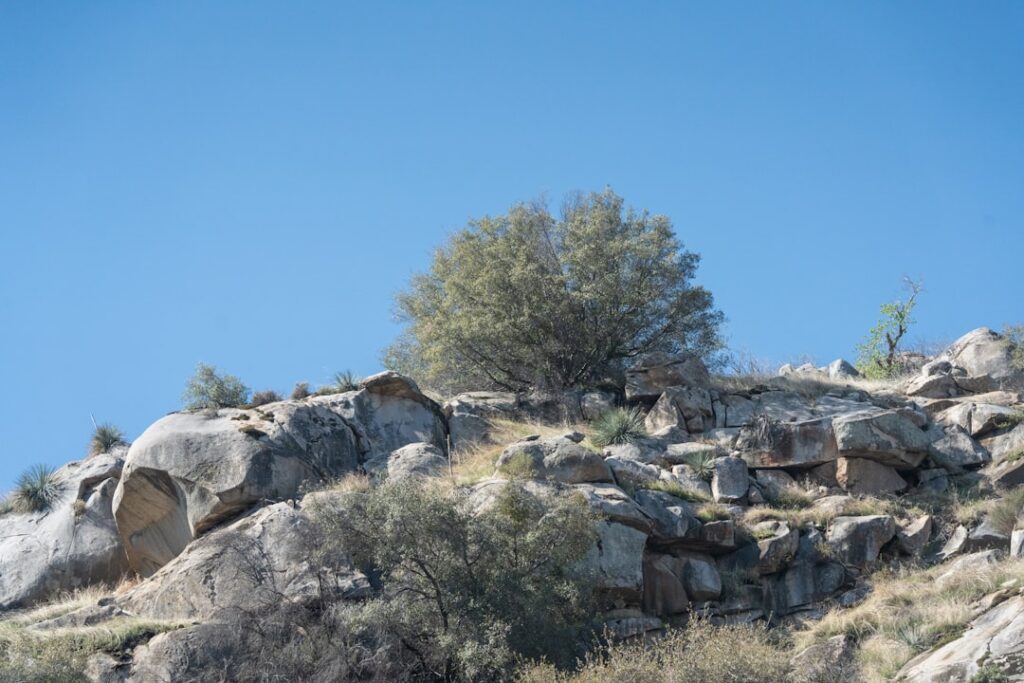
Granite is a hard, igneous stone prized for its density and resistance to weathering. When crushed and graded into landscaping sizes, it becomes a versatile ground cover that ranges from fine decomposed granite to chunky decorative gravel. The natural mineral content gives it appealing flecks of gray, pink, tan, and black that hold their color in sun and rain.
Because granite is so hard, it resists breaking down and does not erode quickly the way softer stones can. That toughness translates into a material you place once and enjoy for many years, with only occasional topping up. It is a permanent-feeling solution rather than something you replace each season.
Common Types and Sizes
Granite rock comes in several forms, and the right one depends on the look and function you want. Size and finish make a big difference in how the material performs underfoot and in a bed.
- Decomposed granite (DG): finely crushed granite that compacts into a firm, natural-looking surface, popular for pathways and patios.
- Crushed granite gravel: angular pieces that lock together well, ideal for driveways and high-traffic areas.
- Decorative granite chips: larger, colorful pieces used as accent ground cover in beds and around features.
- Granite cobbles and boulders: large stones used as focal points, borders, or in dry creek beds.
Angular crushed granite interlocks and stays in place better than smooth, rounded gravel, which tends to scatter. Decomposed granite, by contrast, packs down into an almost paved-feeling surface that is comfortable to walk on.
Best Uses in the Landscape
Granite rock is remarkably versatile, serving both practical and decorative roles. Its excellent drainage and durability make it well suited to areas where water management and longevity matter.
Common applications include pathways and walkways, where decomposed granite creates a firm, natural trail; garden bed mulch, where decorative chips suppress weeds and retain soil moisture while resisting the decay of organic mulch; and xeriscaping, the low-water landscaping style that pairs perfectly with stone. It also works well for driveways, dry creek beds for drainage, around pool decks, and as a tidy border between lawn and planting areas.
Cost Expectations
Granite rock is usually sold by the ton or cubic yard for bulk quantities, or by the bag for small projects. As a general estimate, bulk granite landscape rock commonly runs from roughly $40 to $120 per ton depending on the type, color, and your region, with specialty or colored stone at the higher end. Bagged stone from a garden center costs more per pound but suits small jobs. Treat all figures as estimates and get local quotes.
Delivery adds to the cost for bulk orders, and the distance from the supplier affects the price. For larger areas, buying by the ton or yard is far more economical than bags. Factor in landscape fabric, edging, and any labor if you hire help spreading the material.
How Much Do You Need?
Estimating quantity prevents both shortfalls and costly overages. The calculation is straightforward once you know your area and desired depth.
- Measure the length and width of the area in feet and multiply them to get the square footage.
- Decide on a depth; a 2 to 3 inch layer is typical for ground cover, while pathways and driveways may need more.
- Convert the depth to feet and multiply by the square footage to find the cubic feet needed.
- Divide cubic feet by 27 to get cubic yards, the common bulk unit.
- Ask your supplier for the coverage their specific stone provides per ton, since density varies, and order roughly 10 percent extra.
When in doubt, share your measurements with the supplier and they can recommend the right quantity for the stone size you have chosen.
Installation Basics
A proper installation keeps the rock looking neat and stops it from sinking into the soil or scattering into the lawn. The preparation matters more than the spreading itself.
- Clear the area of weeds, grass, and debris, and level the ground.
- Install edging along the borders to contain the rock and keep clean lines.
- Lay down landscape fabric to suppress weeds while still allowing water to drain through.
- Spread the granite rock evenly over the fabric to your planned depth.
- Rake it smooth and, for decomposed granite pathways, compact it with a tamper or roller for a firm surface.
Landscape fabric is the step many people skip and later regret, since it dramatically reduces weeds poking through the stone. Good edging is equally important for keeping the rock where you want it.
Maintenance and Long-Term Care
One of granite rock’s biggest advantages is how little care it needs compared with organic mulch, which breaks down and must be replaced. Stone stays put and looks consistent year after year. Routine maintenance is minimal but keeps the area tidy.
Color is one area where granite rewards a little attention. Over time, dust and fine soil can dull the surface and mute the natural flecks of pink, gray, and tan that make the stone attractive. A periodic rinse with a garden hose washes away that film and revives the color, and it takes only minutes for a typical bed. In dusty climates, an occasional rinse keeps decorative chips looking freshly laid.
Rake the rock occasionally to keep it level and to refresh the surface, and pull any weeds that manage to sprout in accumulated dust. Use a leaf blower or gentle raking to clear fallen leaves and debris from decorative beds. Over many years you may need to top up areas that have thinned or settled. Because granite landscape rock is so durable and low maintenance, it remains one of the most cost-effective and attractive choices for homeowners who want a beautiful yard without weekly upkeep.