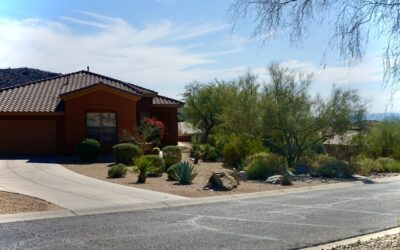
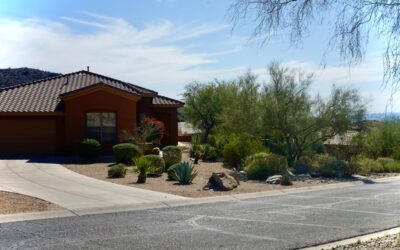
Browsing rock and mulch landscape pictures on Pinterest is the easy part — turning that inspiration into a yard that does not look like a parking lot is harder. The best low-maintenance landscapes mix rock and mulch deliberately, with each material doing a specific job for drainage, weed control, or visual contrast. After designing dozens of front yards from drought-tolerant Southern California to mulched-out suburban Ohio, the patterns that actually work are not what you see in stock photos.
The Three Layout Patterns That Work
Successful rock-and-mulch landscapes follow one of three proven patterns. Choose based on your climate and how much maintenance you want to do.
- River bed and bed pattern: Dry creek of river rock running through mulched planting beds. Best for slopes and drainage problems.
- Border and field pattern: Rock perimeter framing larger mulched planting areas. Clean modern look for front yards.
- Drift pattern: Organic curves of rock flowing into mulch zones with no hard edges. Best for naturalistic and xeriscape designs.
Best Rock Choices and Real Prices
Rock pricing varies enormously by region, but these are the national averages from landscape supply yards in 2026.
- Mexican beach pebble (1-2 inch): 0.55 to 0.85 dollars per pound bagged, or 350 to 550 dollars per ton bulk. Premium black smooth finish for modern designs.
- River rock (1-3 inch): 0.20 to 0.40 dollars per pound bagged, 65 to 120 dollars per ton bulk. Multi-color natural look for traditional yards.
- Lava rock: 0.30 to 0.50 dollars per pound bagged, 90 to 150 dollars per ton bulk. Lightweight but the red color fades over 5 to 7 years.
- Pea gravel: 0.10 to 0.20 dollars per pound bagged, 40 to 80 dollars per ton bulk. Tan and gray mix, walks well underfoot.
- Decomposed granite: 60 to 110 dollars per ton bulk. Compactable for paths, natural earth tones.
- Crushed limestone: 35 to 70 dollars per ton bulk. White or gray, forms a stable surface for paths and patios.
Best Mulch Choices and Real Prices
Mulch beats rock for plant health because it breaks down and feeds the soil. Pick mulch where you have actual plants and rock where you have hardscape.
- Hardwood bark mulch: 25 to 45 dollars per cubic yard bulk. Natural brown that fades gray within 12 months.
- Dyed black mulch: 30 to 55 dollars per cubic yard. Holds color 18 to 24 months, dramatic contrast with stone.
- Dyed brown or red mulch: 30 to 50 dollars per cubic yard. Same color longevity as black.
- Pine straw: 4 to 7 dollars per bale, covers 40 sq ft. Standard for southern landscapes, breaks down quickly.
- Cypress mulch: 35 to 60 dollars per cubic yard. Resists wind displacement, light tan color.
- Cocoa shell mulch: 8 to 14 dollars per bag (2 cubic ft). Premium product, smells like chocolate, toxic to dogs.
Color Combinations That Look Good
The most common mistake is mixing competing colors. Stick to combinations that real designers use on residential projects.
- Modern: Black Mexican beach pebble + dyed black mulch + silver-gray foliage plants
- Traditional: Multi-color river rock + brown hardwood mulch + colorful flowering plants
- Mediterranean: Decomposed granite + cypress mulch + drought-tolerant lavender and rosemary
- Southwestern: Red lava rock + decomposed granite + agave and yucca plantings
- Coastal: Pea gravel + tan mulch + ornamental grasses and beach-tolerant shrubs
Layout Mistakes to Avoid
Random rock spotting throughout mulch beds reads as chaotic and amateur. If you are mixing materials within a bed, define a clear edge between them — typically a steel landscape edging or a row of decorative stones. Each material should have a purpose and a visible boundary.
Skipping landscape fabric is another costly mistake. Without fabric, weeds push through within two seasons and rock contaminates with mulch as it migrates. Use 5 oz commercial-grade fabric (DeWitt Sunbelt or similar) at 0.20 to 0.40 per square foot, not the flimsy retail fabric.
Real Cost for a 1,000 Sq Ft Front Yard
For a 1,000 sq ft front yard with 60 percent mulched planting beds and 40 percent decorative rock, here is realistic budget reality using mid-range materials.
- 10 cubic yards hardwood mulch (60 percent area, 3 inch depth): 350 dollars
- 4 tons river rock (40 percent area, 2 inch depth): 350 dollars
- 1,000 sq ft commercial landscape fabric: 250 dollars
- Steel landscape edging (60 linear ft): 240 dollars
- Plant material (15 to 25 plants depending on size): 600 to 1,200 dollars
- DIY labor: free, or 1,500 to 2,500 dollars hired out
DIY total: 1,800 to 2,400 dollars. Professional installation: 4,000 to 5,500 dollars.
Maintenance Schedule
Mulched areas need topping up every 18 to 24 months — budget 100 to 200 dollars annually for a typical front yard. Rock areas need a leaf blower once a season to clear organic debris that builds up between stones. Pull migrant weeds within 30 days of seeing them, before they seed and spread.
Frequently Asked Questions
Is rock or mulch cheaper for landscaping?
Mulch is cheaper upfront at 30 to 45 dollars per cubic yard versus 60 to 150 dollars per ton for rock. Long-term, rock wins because it lasts indefinitely while mulch needs replacement every 2 years.
What lasts longer, rock or mulch?
Rock is permanent. Mulch breaks down over 12 to 24 months and needs replacement. Choose rock for low-maintenance areas and mulch where you have plants that benefit from the soil enrichment.
Can I put rock over mulch?
Not recommended. Mulch decomposing under rock creates inconsistent levels and lets weeds push through. Remove old mulch and install fresh landscape fabric before laying rock.
Do I need landscape fabric under rock?
Yes. Skipping fabric guarantees weeds within two seasons and contaminates the rock with soil. Use commercial 5 oz fabric, not the residential weight at big-box stores.
How thick should mulch and rock layers be?
Mulch needs 2 to 3 inches deep for weed suppression. Rock needs 2 to 3 inches deep for full ground coverage. Skimping on depth means weeds and washouts.