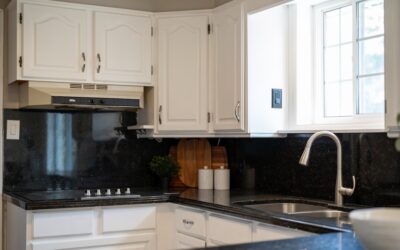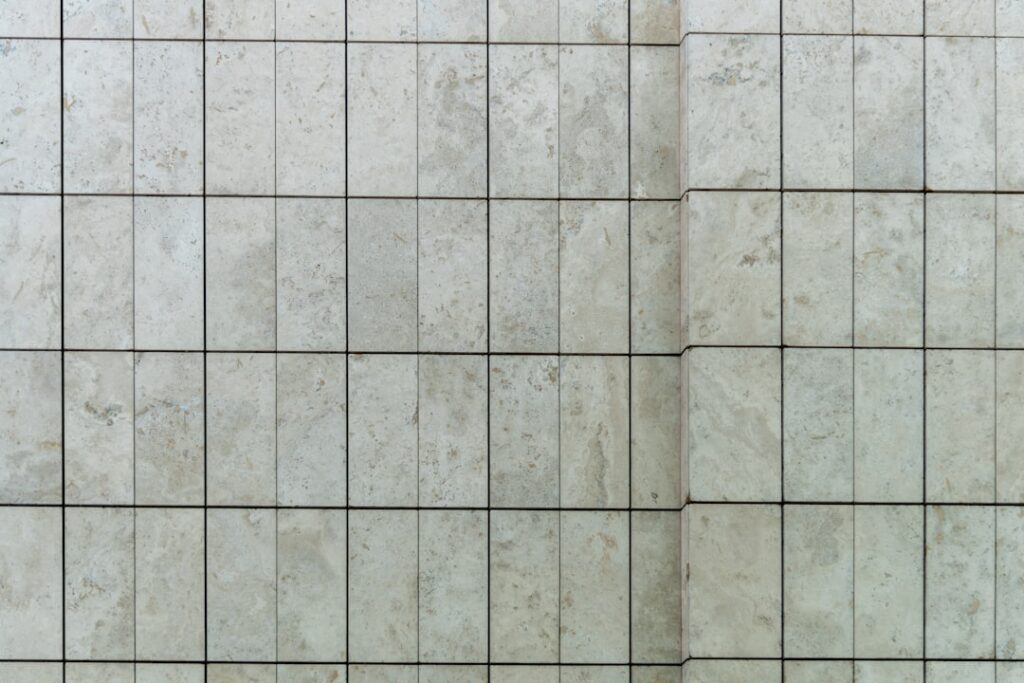
Slab granite countertops get all the magazine attention, but the same stone cut into 12×12 or 18×18 tiles is one of the most underrated floor materials on the US market. Granite tile flooring delivers true natural stone aesthetics at half the price of slabs, holds up to 80 years of foot traffic, and stays cool enough underfoot to sell itself in any climate from Phoenix to Tampa. The catch is that not every granite tile is created equal, and the wrong finish in the wrong room turns a $4,000 floor into a slip-and-fall liability.
Part of our Countertops guide — explore the full guide →
Why Granite Tile Beats Slab for Floors
Slab granite is gorgeous on a kitchen counter but impractical for floors. Slabs require seamless joints, sub-millimeter leveling, and crane-assisted install. Granite cut into tiles solves all three problems. Standard 12×12 and 18×18 sizes install with conventional thinset, finish with grout joints that mask any subfloor imperfections, and let one person carry material instead of needing a four-man lift crew.
Cost is the other major win. Slab granite installed runs $50 to $100 per sq ft. Granite tile installs for $9 to $18 per sq ft including labor. Same stone, same hardness, dramatically different total project cost.
Pros of Choosing Granite Tile
- Natural stone durability rated 6 to 7 on the Mohs hardness scale
- Heat-resistant for fireplace surrounds and kitchen mudrooms
- Stays cool in summer-heavy regions, reducing AC load
- Long lifespan of 50 to 100 years with proper sealing
- Boosts resale value in upper-tier markets
For appraisal purposes in markets like Scottsdale, Naples, and Boca Raton, real natural stone reads as premium and helps homes sell at the top end of their comp range. That premium does not always show up in mid-tier markets where porcelain look-alikes are accepted.
Cons and Real-World Drawbacks
Granite tile is heavy. A 12×12 piece in 3/8-inch thickness weighs about 6 pounds, and 1,000 sq ft of material plus thinset adds roughly 6,000 pounds to your subfloor. Older homes with 2×8 floor joists at 16-inch centers may need reinforcement, especially on second-floor installations.
It is also unforgiving. Drop a wine glass on granite and the glass shatters into a hundred pieces. Drop a porcelain dinner plate and it explodes. The hardness that makes the floor durable also makes it brutal on anything you happen to drop, including bare toes during a stubbed-toe moment.
Sealing Reality vs Marketing Hype
Most granite tile is sold as low-maintenance, but the truth is more nuanced. Granite is naturally porous, especially lighter colors like Kashmir White and Giallo Ornamental. Without sealing, those tiles absorb red wine, olive oil, and pet urine within minutes and stain permanently.
Apply a penetrating sealer like Miracle 511 Impregnator within 48 hours of grouting. Reseal every 1 to 3 years depending on traffic. Darker granites like Absolute Black and Steel Gray are far less porous and may need sealing only every 5 years or even longer.
Finish Options and Where to Use Them
- Polished: mirror-like, dramatic, but slick when wet, best for low-traffic dining and formal entries
- Honed: matte finish, hides scratches, safer underfoot, ideal for kitchens
- Flamed: textured rough finish from torch treatment, excellent slip resistance, best for entries and pool decks
- Brushed or leathered: subtle texture, contemporary look, good middle ground for living areas
Never install polished granite in a bathroom. The combination of bare feet plus water creates a slip hazard that even a $500 area rug cannot fully solve. Honed or flamed are the only sensible choices for wet rooms.
Pricing Breakdown for 2026
Granite tile material costs vary hugely based on color and origin. Domestic budget granites in 12×12 size run $3 to $5 per sq ft. Mid-tier imports from Brazil and India hit $5 to $9. Premium colors like Blue Pearl from Norway or Black Galaxy from India can climb to $12 to $18 per sq ft just for the tile.
Add thinset, grout, sealer, underlayment if needed, and pro install of $5 to $9 per sq ft, and a 300 sq ft entryway lands at $3,500 to $6,800 turnkey. That same room in slab granite would run $15,000 plus.
Subfloor Prep and Install Considerations
Granite is unforgiving of any flex. Your subfloor must be rock-solid: minimum 1-1/4 inches total thickness on a 16-inch joist span, double-layered if joists are 19.2 or 24 inches. Most pros add a 1/4-inch cement board or uncoupling membrane like Schluter Ditra over the subfloor to prevent crack transmission.
Grout joints should run 1/8 to 3/16 inch wide. Tighter joints look elegant but accept zero tolerance for tile size variation. Wider joints are more forgiving and easier to keep level on a long run.
Cleaning and Maintenance Routine
Daily maintenance is genuinely simple. Sweep or dust mop to remove grit, then mop with warm water and a stone-safe pH-neutral cleaner like Black Diamond Stone and Tile cleaner. Skip vinegar, lemon juice, and any acidic cleaner because they etch granite over time.
Address spills within 5 minutes. Even sealed granite eventually absorbs anything left to sit overnight. Keep a microfiber cloth in the kitchen drawer specifically for spill response, and reseal proactively rather than waiting for stains to appear. Stone-safe pads under furniture legs prevent the dragging scratches that show up most clearly on lighter granite shades.
Final Buying Recommendation
Granite tile flooring earns its place in entries, kitchens, mudrooms, and sunrooms where durability and natural materials matter more than warmth underfoot. Skip it in bedrooms unless you live in a hot climate and crave the cool factor. Stick with honed or flamed finishes in any wet area, budget for proper subfloor prep, and reseal on schedule. Done right, your granite tile floor will outlast the cabinets above it by two or three remodels.
Prefer to explore on your own?
See how new flooring looks in your actual room in seconds — free, no signup.
Try the free Floor Studio →